Every day with Myasthenia Gravis raises a new question

A free app for everything Myasthenia Gravis asks of you, grounded in medical science and the experience of others, so you don't have to figure it out alone.

One app for everything Myasthenia Gravis asks of you
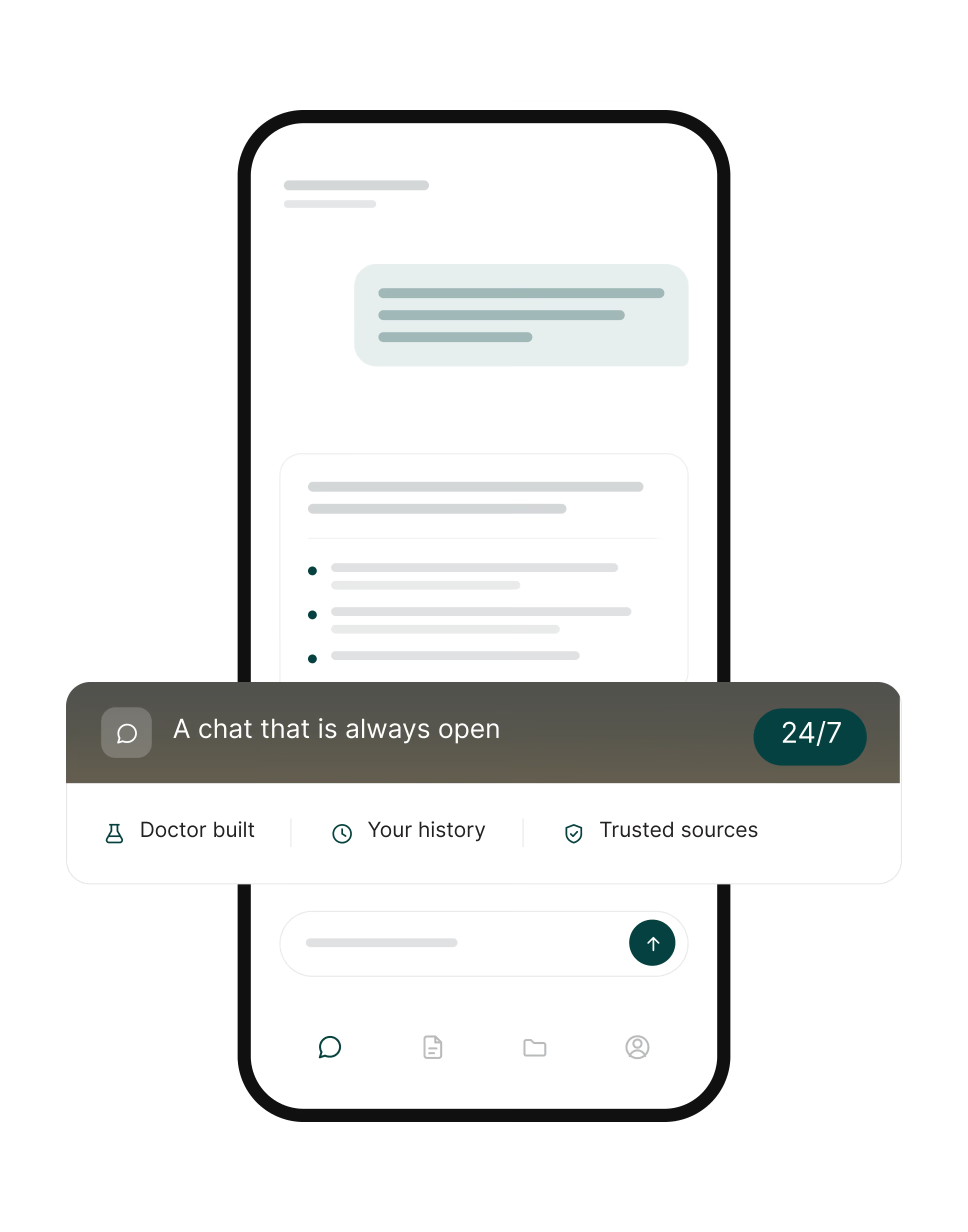
Personalized answers before, after, and in between every appointment.

What to know about Myasthenia Gravis
The basics on causes, types, symptoms, treatment and diagnosis, written from medical guidelines and reviewed by our in-house doctors. Open the parts that apply to you.
What is myasthenia gravis?
Myasthenia gravis, or MG, is a long-term autoimmune condition affecting communication between nerves and muscles. It causes weakness in muscles used for seeing, speaking, swallowing, walking and breathing. Weakness often increases with activity and improves with rest.
MG is not contagious and is usually not directly inherited. Symptoms and severity vary widely, but treatment helps many people manage the condition and maintain their quality of life. mama health's guides to how MG affects the body and daily life and how MG starts cover the early signs and when to see a neurologist.
What causes MG?
MG occurs when the immune system mistakenly disrupts signals between nerves and muscles. Antibodies block or damage proteins needed for muscles to receive messages from the nerves, causing weakness. mama health's guides to antibodies in MG and receptors and pathophysiology explain the mechanism, and neuromuscular junction disorders covers the wider group MG belongs to.
Common antibodies include AChR, MuSK and LRP4. Some people have no detectable antibodies and are described as having seronegative MG. The thymus gland may also play a role, covered in the thymus, thymectomy and thymoma, although the exact cause is not fully understood. What sets MG off in the first place is a common question, covered in what triggered my MG.
Types of MG
Ocular MG affects the muscles around the eyes and may cause drooping eyelids or double vision, covered in ocular myasthenia gravis.
Generalized MG affects other muscles, including those used for speaking, swallowing, breathing, walking and lifting, covered in generalized MG.
By antibody type, MG may be classified as AChR-positive, MuSK-positive, LRP4-positive or seronegative, which is covered in the role of antibody testing.
Juvenile MG begins during childhood or adolescence, and neonatal myasthenia covers the temporary form affecting some newborns. Congenital myasthenic syndromes also cause muscle weakness but are inherited rather than autoimmune.
How is MG treated?
Treatment depends on symptoms, antibody status, overall health and the muscles affected. Medicines may improve communication between nerves and muscles or reduce the immune response causing MG. mama health's guides to MG treatment options, the most common medications and Mestinon, Prostigmin and other therapies cover each.
Other options include targeted immune treatments, intravenous immunoglobulin, plasma exchange or surgery to remove the thymus gland. Treatment plans are personalized and may change over time, and recent developments in MG treatment covers what has changed. Side effects are worth knowing about in advance, covered in medication side effects. Questions between appointments can be put through mama health, which is free myasthenia gravis support grounded in medical science and the experience of others.
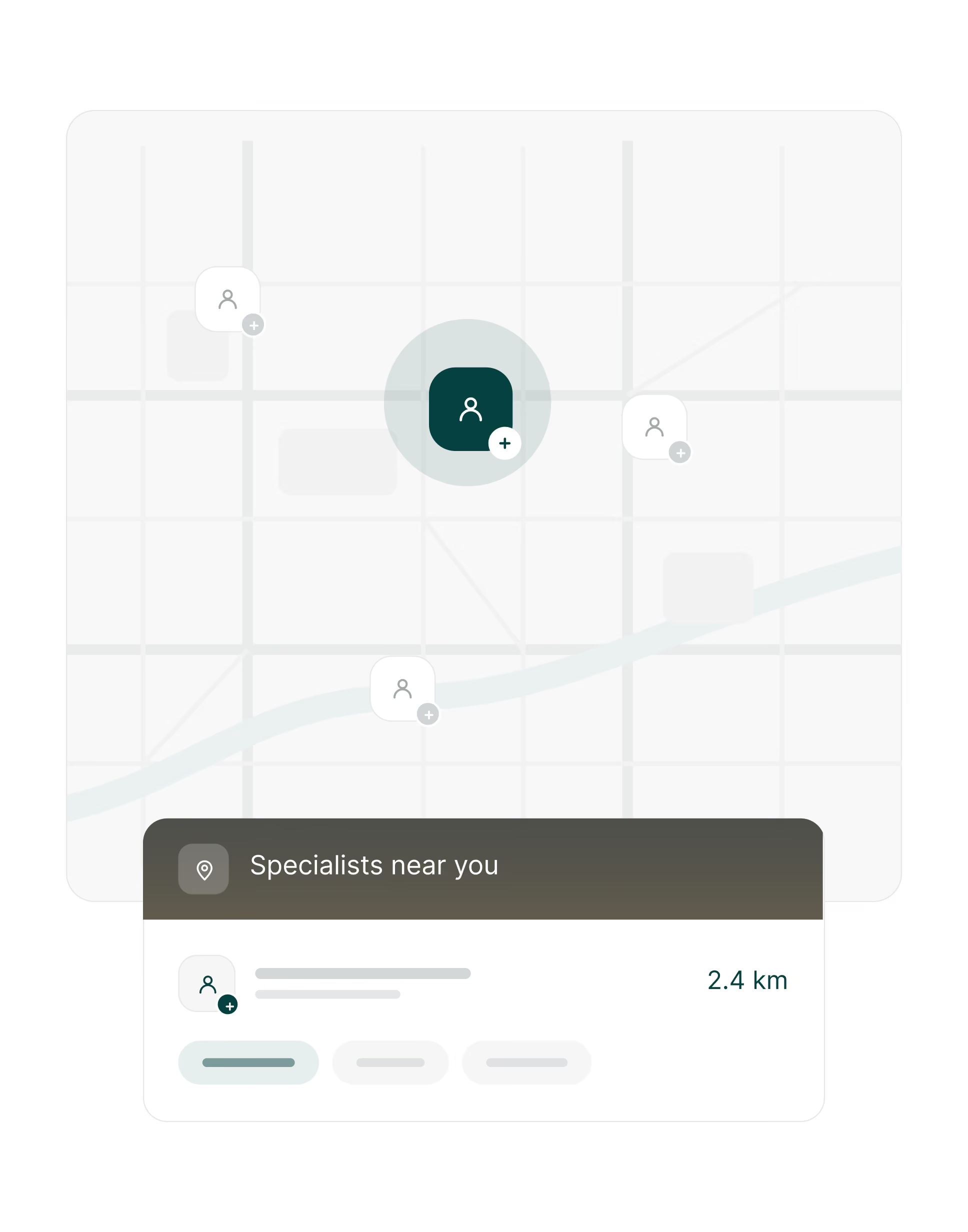
Care is delivered through specialist neuromuscular centres, and mama health lists them for Germany, the UK, the Netherlands, Belgium, Switzerland and Slovakia.
Medicines to be careful with
Some medicines can worsen MG, including certain antibiotics, heart medicines and anaesthetics, which is why every prescriber and pharmacist needs to know about the diagnosis. mama health's guides to safe and unsafe medications and things to avoid with MG set out what to check.
Too much of a symptom medicine causes its own problem, covered in cholinergic crisis. Pregnancy needs planning with the neurology team, covered in pregnancy and MG.
When to seek emergency care
Seek emergency care for worsening breathlessness, difficulty breathing when lying flat, choking, an inability to clear secretions, a weak cough, or rapidly spreading weakness. These can indicate a myasthenic crisis, which is a medical emergency, covered alongside the other severe symptoms in ptosis, symptoms and myasthenic crisis.
Swallowing difficulty is one of the symptoms most likely to escalate, covered in difficulty chewing or swallowing and when to get help.
Living with MG
Weakness that increases through the day means the same task is not equally possible at every hour, and mama health's guide to why MG symptoms vary during the day covers why that happens.
Fatigue can reach the point where basic tasks become difficult, covered in when MG fatigue takes the basics. Night cramps, balance problems, night leg and toe cramps and eating and nutrition all come up in daily life.
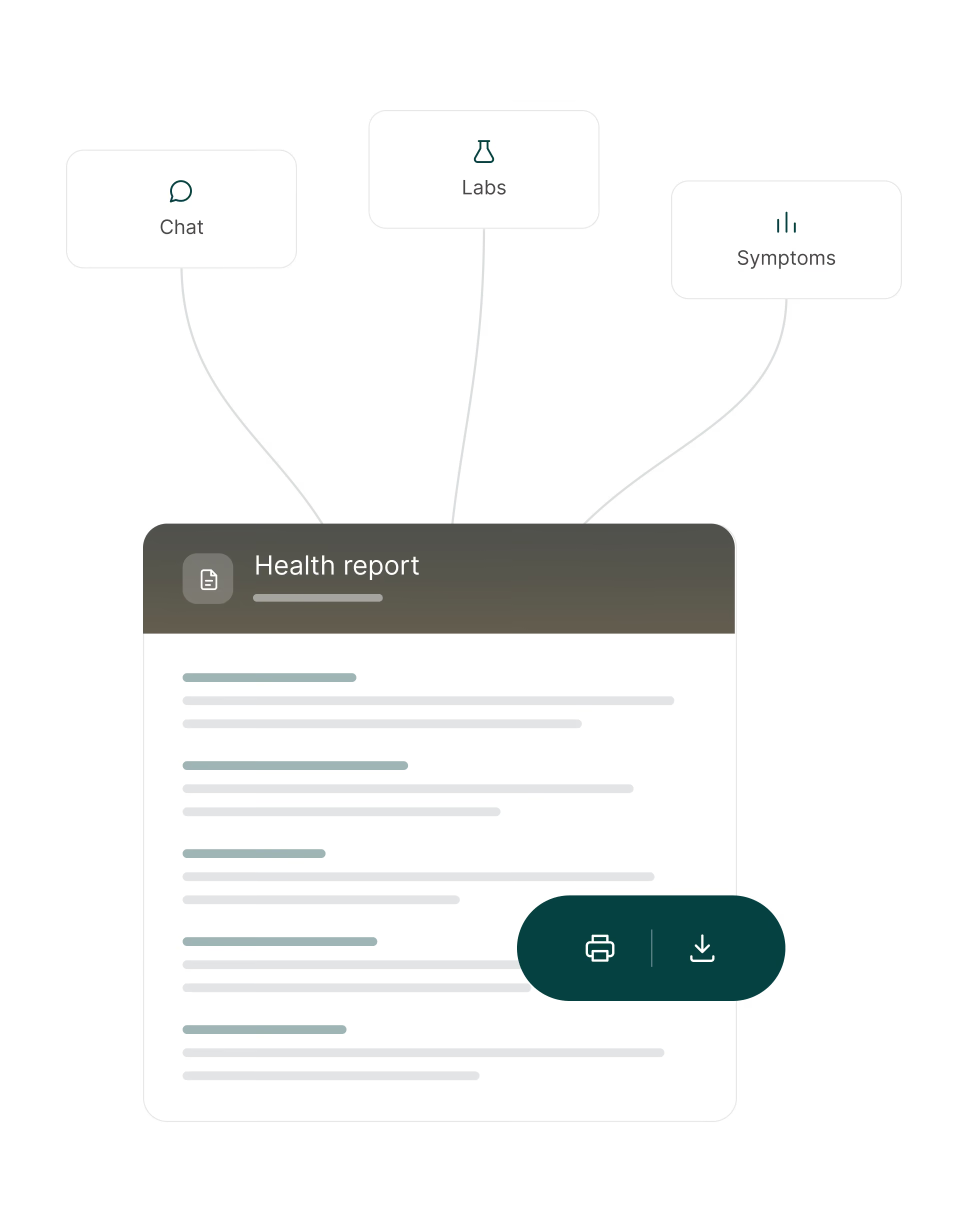
Low mood and anxiety are part of this too, covered in MG and mental health and facing depression with MG. What changes across a day and a week can be kept in one place in the mama health app, a free MG app built with in-house doctors.
Who is at risk of developing MG?
Anyone can develop MG, and there is no known way to prevent it. It is not caused by lifestyle choices or physical activity.
MG is diagnosed more often in younger adult women and older men, although it can affect people of any age or sex. People with another autoimmune condition may have a higher likelihood of developing it. Changes in the thymus gland, including an enlarged thymus or thymoma, are also associated with MG. Genetics may affect susceptibility, but autoimmune MG is usually not directly inherited.
What are the symptoms of MG?
Common symptoms include drooping eyelids, double vision, difficulty making facial expressions and weakness in the arms, legs or neck. MG may also cause a quiet or slurred voice, difficulty chewing, choking, swallowing problems or shortness of breath.
Speech and swallowing symptoms have their own name, covered in bulbar symptoms and hypokinetic dysarthria.
Symptoms often worsen after repeated activity and improve after rest. A person may feel stronger in the morning and weaker later. Because symptoms are not always visible, others may not realize how much MG affects daily life. Symptoms can also come and go, covered in flares and fluctuating symptoms.
How is MG diagnosed?
Diagnosis may involve a neurological examination, blood tests for MG-related antibodies, and tests that measure communication between nerves and muscles. mama health's guides to how MG is diagnosed and the key tests and procedures cover what each one involves.
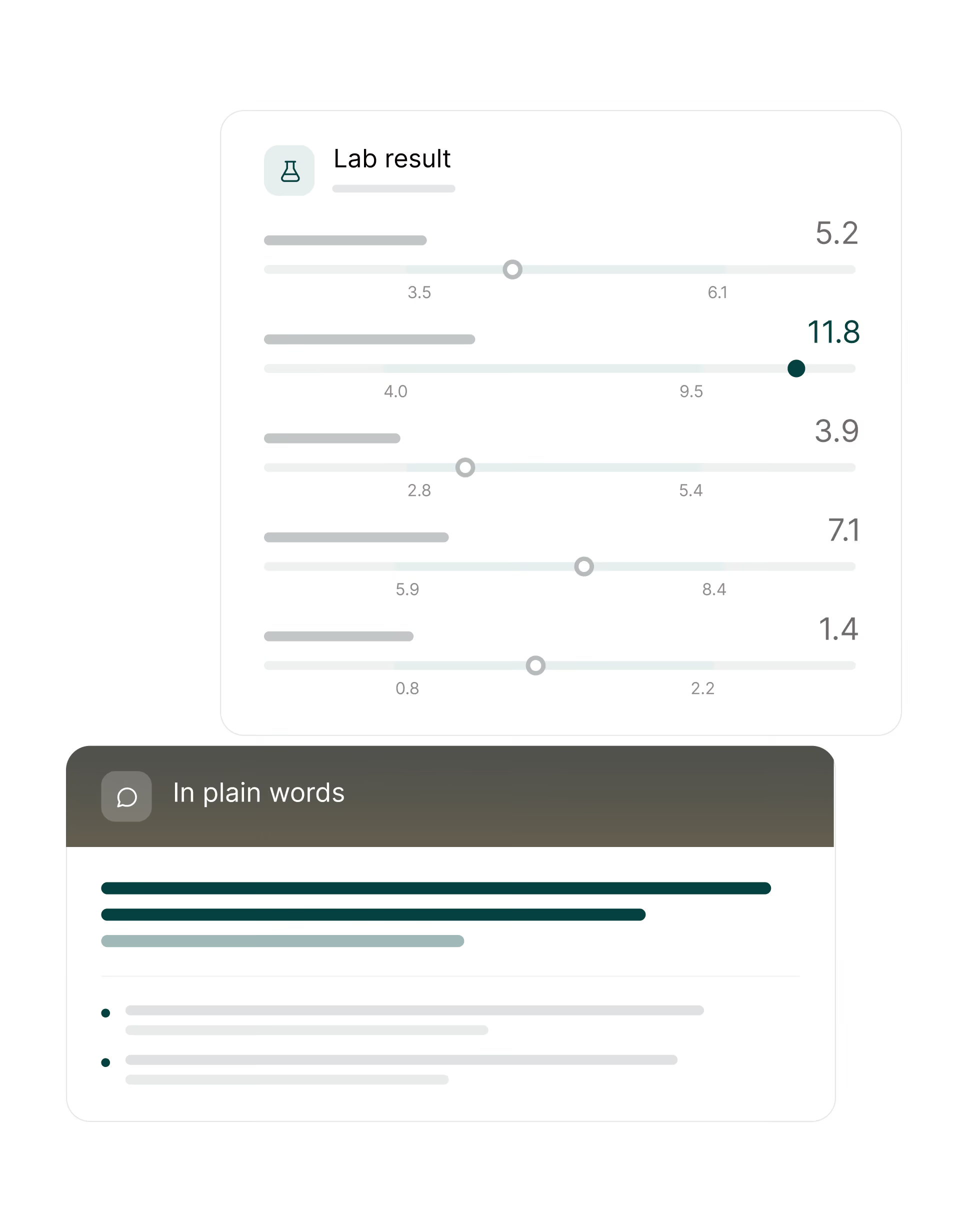
Chest imaging may be used to examine the thymus gland, and breathing tests may be needed if respiratory weakness is suspected. Diagnosis can take time because MG symptoms resemble other conditions, covered in why diagnosis takes time, what can be mistaken for MG, whether MG shows up on MRI and how MG relates to MS, ALS and Parkinson's. Results and letters can be read back in plain language in the mama health app, a free myasthenia gravis support app.
What stands behind mama health
Medical oversight, safeguards around your data, and a clear purpose for every anonymized experience shared.
.avif)







Reviewed by our doctors
Our doctors review the medical sources behind every AI answer. Designed for high accuracy from your first chat.

Anonymized for good
Your personal data is encrypted and never shared. We turn it into anonymized insights. All under strict European data standards.

Contributing to research
Partners learn from anonymized patient experiences. That helps push research and better treatments forward.
All conditions we add to mama health go through careful checks.



Frequently asked questions
The report will appear in your inbox shortly✅
If you would like to explore how real-time patient insights can strengthen your commercial strategies, book a chat through the link below.