Every day with Narcolepsy raises a new question
.avif)
A free app for everything Narcolepsy asks of you, grounded in medical science and the experience of others, so you don't have to figure it out alone.

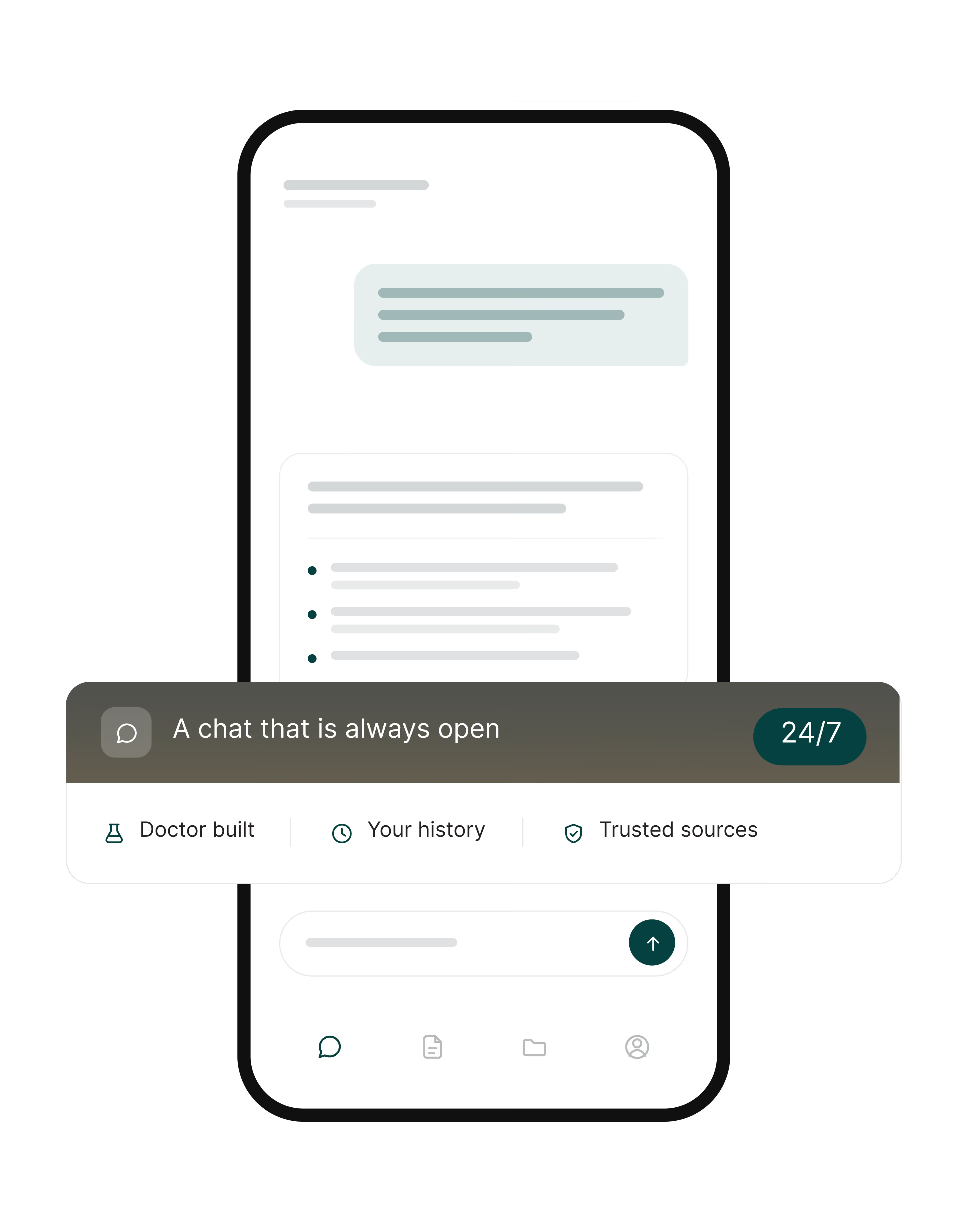
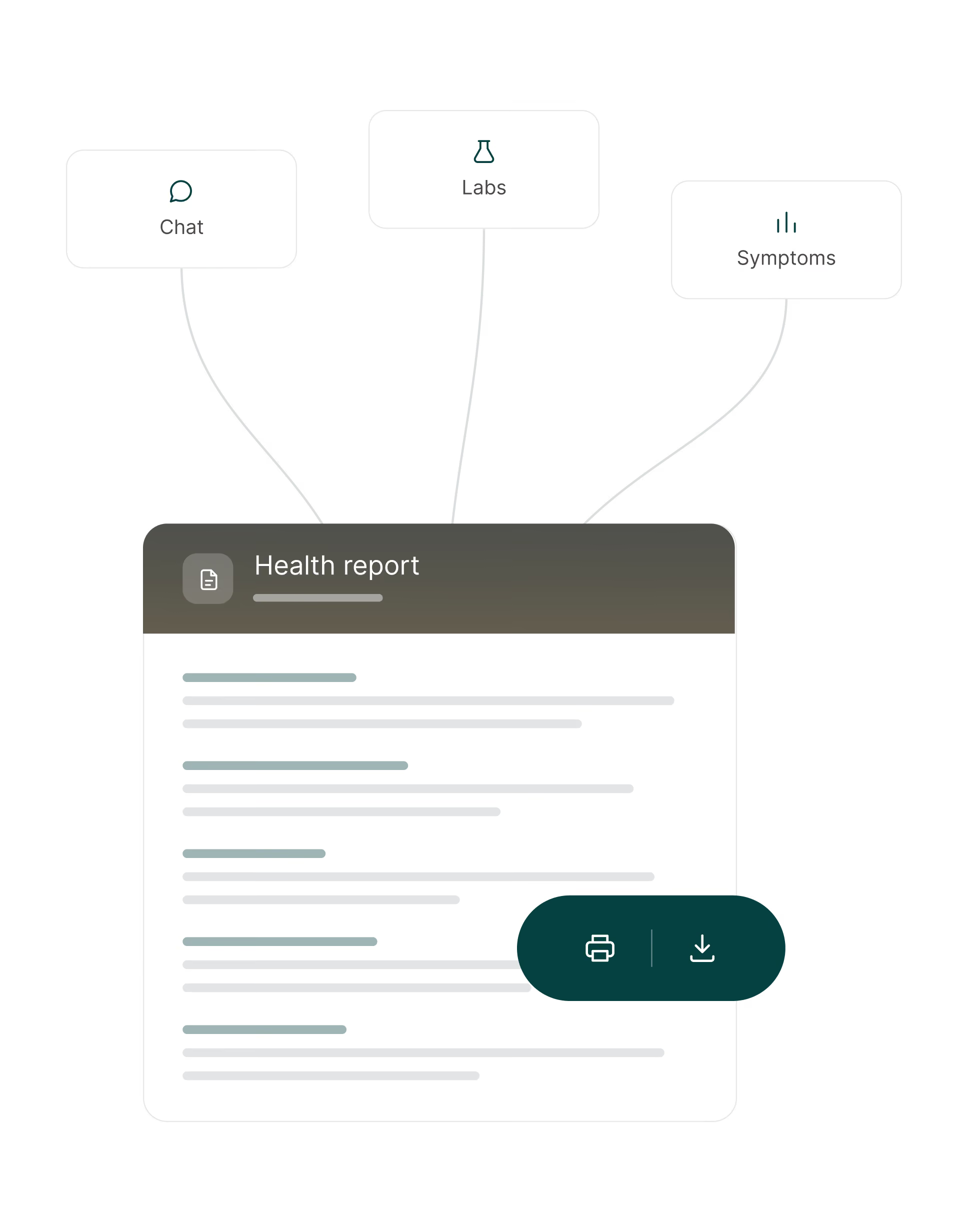
One app for everything Narcolepsy asks of you
Personalized answers before, after, and in between every appointment.
What to know about Narcolepsy
The basics on causes, types, symptoms, treatment and diagnosis, written from medical guidelines and reviewed by our in-house doctors. Open the parts that apply to you.
What is narcolepsy?
Narcolepsy is a chronic neurological sleep disorder that affects the brain's ability to regulate sleep and wakefulness. It can cause excessive daytime sleepiness and sudden episodes of sleep.
What are the main symptoms of narcolepsy?
Common symptoms include excessive daytime sleepiness and an overwhelming urge to sleep during the day.
Some people also experience cataplexy, sleep paralysis, vivid dream-like hallucinations when falling asleep or waking, and disrupted nighttime sleep.
Symptoms vary from person to person and can affect concentration, memory, mood and the ability to stay alert during everyday activities. mama health's guide to brain fog with narcolepsy covers the concentration and memory side in more detail.
What is cataplexy?
Cataplexy is a sudden, temporary loss of muscle control triggered by strong emotions such as laughter, excitement, surprise, or anger. A person remains conscious during an episode. mama health's guide to cataplexy episodes covers what to do during one and when to get help.
What causes narcolepsy?
Narcolepsy type 1 is associated with low levels of hypocretin (also called orexin), a brain chemical involved in regulating wakefulness. The exact cause is not fully understood, but genetic, immune, and environmental factors may contribute.
Are there different types of narcolepsy?
Yes. Narcolepsy is generally divided into type 1 and type 2. Type 1 involves cataplexy and/or low hypocretin levels, while type 2 typically occurs without cataplexy. mama health's guide to narcolepsy type 1 vs type 2 explains what the difference means for diagnosis and treatment.
How is narcolepsy diagnosed?
Diagnosis usually starts with a discussion of symptoms, sleep habits and medical history. Doctors may use an overnight sleep study called polysomnography, followed by a multiple sleep latency test (MSLT) to assess how quickly someone falls asleep during the day and when REM sleep occurs.
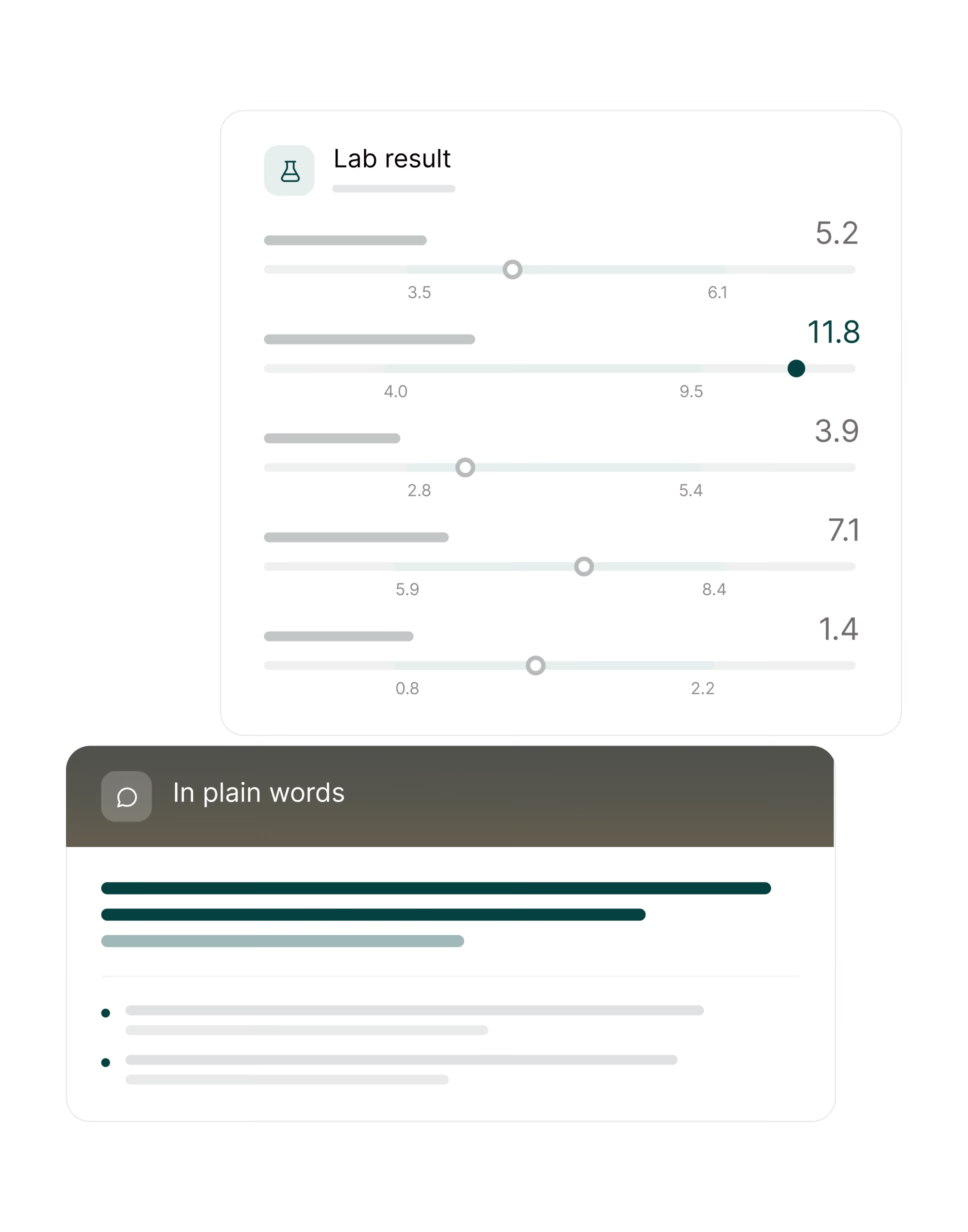
Sleep diaries or actigraphy may also be used. In certain cases, testing hypocretin levels may help support a diagnosis of narcolepsy type 1. The route to these tests differs by country, and mama health's guide to how narcolepsy is diagnosed covers the referral, the sleep study and what the results mean. The same tests separate narcolepsy from conditions it is confused with, covered in narcolepsy or sleep apnea and narcolepsy or idiopathic hypersomnia. Sleep reports and specialist letters can be read back in plain language in the mama health app, a free narcolepsy support app built with in-house doctors.
Can narcolepsy be cured?
There is currently no cure for narcolepsy, but symptoms can often be managed with medication, planned sleep schedules, daytime naps, and lifestyle adjustments. mama health's guide to narcolepsy treatment options works through the medication classes, and narcolepsy and pregnancy covers how those decisions change around pregnancy. On the longer term, the guide to whether narcolepsy gets worse with age looks at what is known about the outlook. Questions that come up after reading any of it can be asked in the mama health app, which is free narcolepsy support grounded in medical science and the experience of others.
How does narcolepsy affect everyday life?
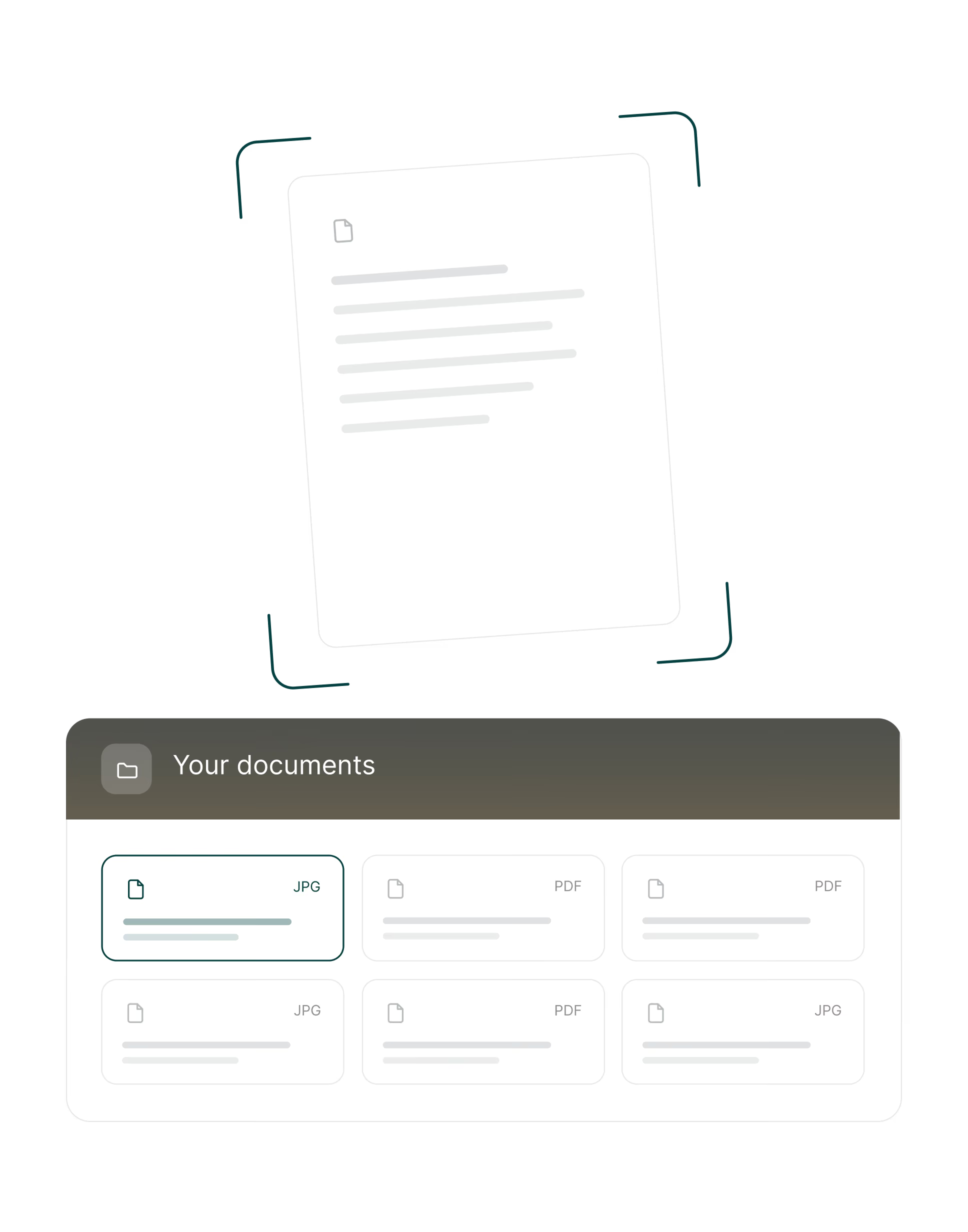
Narcolepsy can interfere with work, education, driving, social activities, and daily routines because of unpredictable sleepiness. Treatment and accommodations can improve daily functioning. mama health's guides cover the practical side: planned naps for narcolepsy for fitting naps into work and school, working with narcolepsy in Germany for disability recognition and workplace adjustments, driving with narcolepsy in Germany for fitness to drive, and narcolepsy diet and lifestyle for caffeine and daily habits. What each day asks can be kept in one place in the mama health app, a free narcolepsy app built with in-house doctors.
Is narcolepsy the same as simply being very tired?
No. Narcolepsy is a neurological sleep disorder, not ordinary tiredness or sleep deprivation. People with narcolepsy can experience severe daytime sleepiness even when they have had adequate time to sleep. Sleepiness and concentration problems are also frequently read as something else, which mama health's guide to ADHD or narcolepsy looks at.
When should someone see a doctor about possible narcolepsy?
Someone should consider speaking with a healthcare professional if persistent daytime sleepiness, uncontrollable sleep episodes, cataplexy, sleep paralysis, or other sleep-related symptoms are interfering with daily life. mama health's list of narcolepsy clinics and sleep centers in Germany shows where specialist assessment is available in Germany.
Who is at risk of developing narcolepsy?
Narcolepsy can affect anyone, but symptoms often begin in childhood, adolescence or early adulthood. Some people experience symptoms for years before receiving a diagnosis.
Having a family history of narcolepsy may slightly increase risk, although most people with narcolepsy do not have a close relative with the condition.
What stands behind mama health
Medical oversight, safeguards around your data, and a clear purpose for every anonymized experience shared.
.avif)







Reviewed by our doctors
Our doctors review the medical sources behind every AI answer. Designed for high accuracy from your first chat.

Anonymized for good
Your personal data is encrypted and never shared. We turn it into anonymized insights. All under strict European data standards.

Contributing to research
Partners learn from anonymized patient experiences. That helps push research and better treatments forward.
All conditions we add to mama health go through careful checks.



Frequently asked questions
The report will appear in your inbox shortly✅
If you would like to explore how real-time patient insights can strengthen your commercial strategies, book a chat through the link below.