Every day with Diabetes raises a new question
.avif)
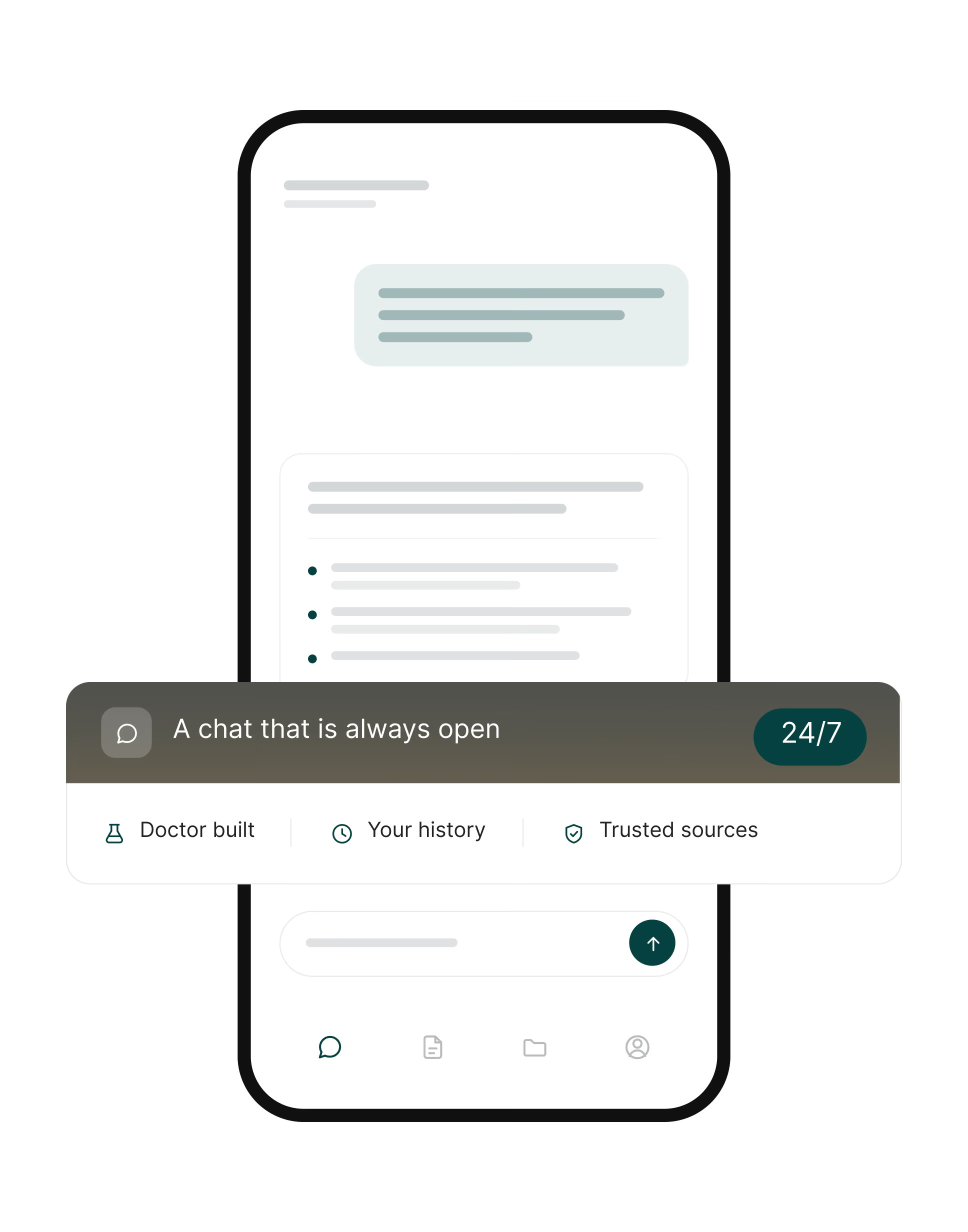
A free app for everything Diabetes asks of you, grounded in medical science and the experience of others, so you don't have to figure it out alone.

One app for everything Diabetes asks of you
Personalized answers before, after, and in between every appointment.
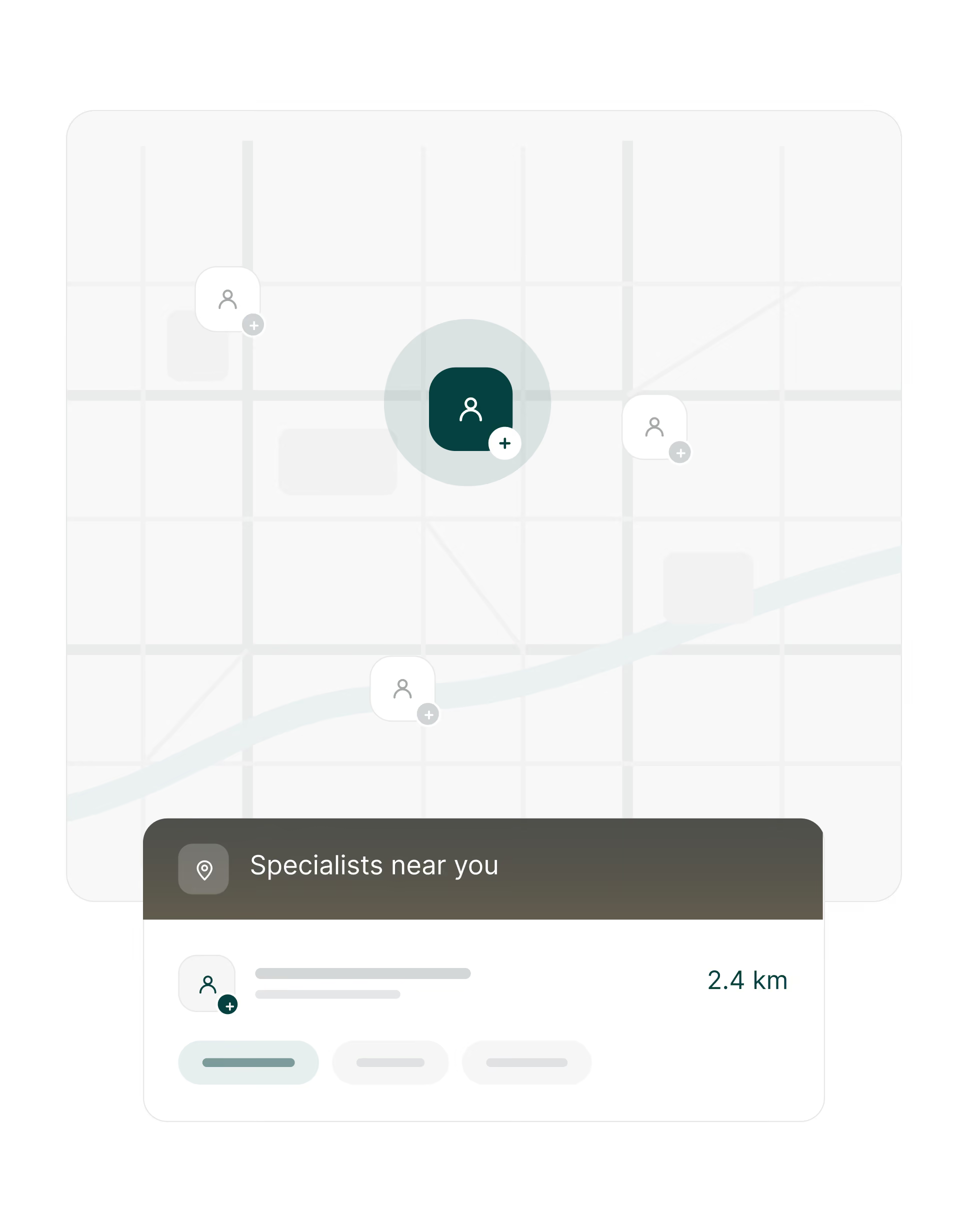
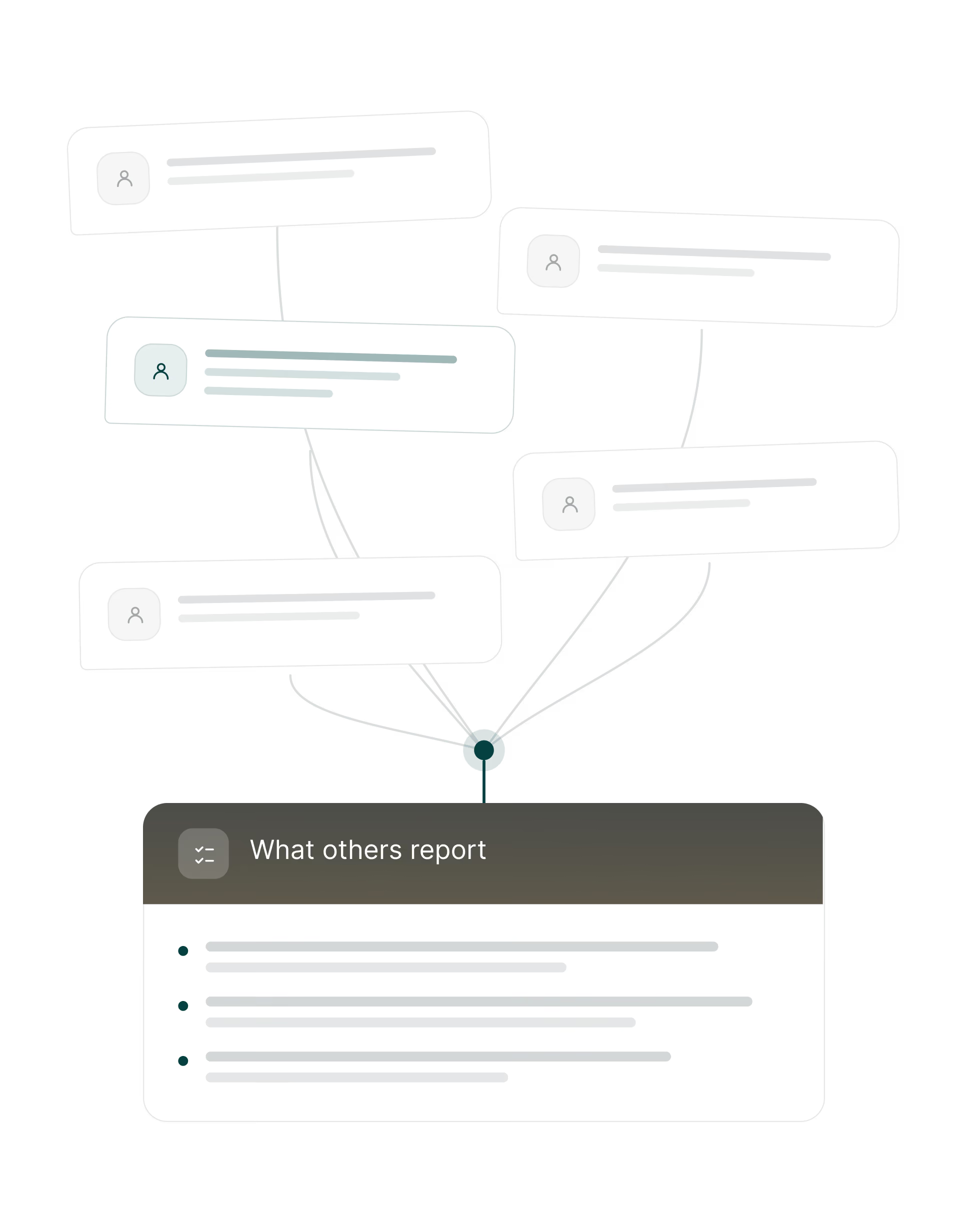
What to know about Diabetes
The basics on causes, types, symptoms, treatment and diagnosis, written from medical guidelines and reviewed by our in-house doctors. Open the parts that apply to you.
What is diabetes?
Diabetes is a long-term condition in which the level of glucose, or sugar, in the blood becomes too high. Glucose provides the body with energy, and insulin helps it move from the blood into the cells. In diabetes, the body does not make enough insulin, cannot use it effectively, or both.
What causes diabetes?
The cause depends on the type. Type 1 occurs when the immune system attacks the cells that produce insulin. Type 2 develops when the body becomes resistant to insulin and gradually struggles to produce enough. Gestational diabetes is linked to hormonal changes during pregnancy. Diabetes is not simply caused by eating too much sugar.
Why glucose levels can change
Glucose levels can be affected by food, physical activity, medicines, stress, sleep, illness, hormones and alcohol. The same food or activity may not always produce the same result, which is part of why diabetes can feel unpredictable. Sleep is one of the less obvious influences, covered in mama health's guide to chronic insomnia.
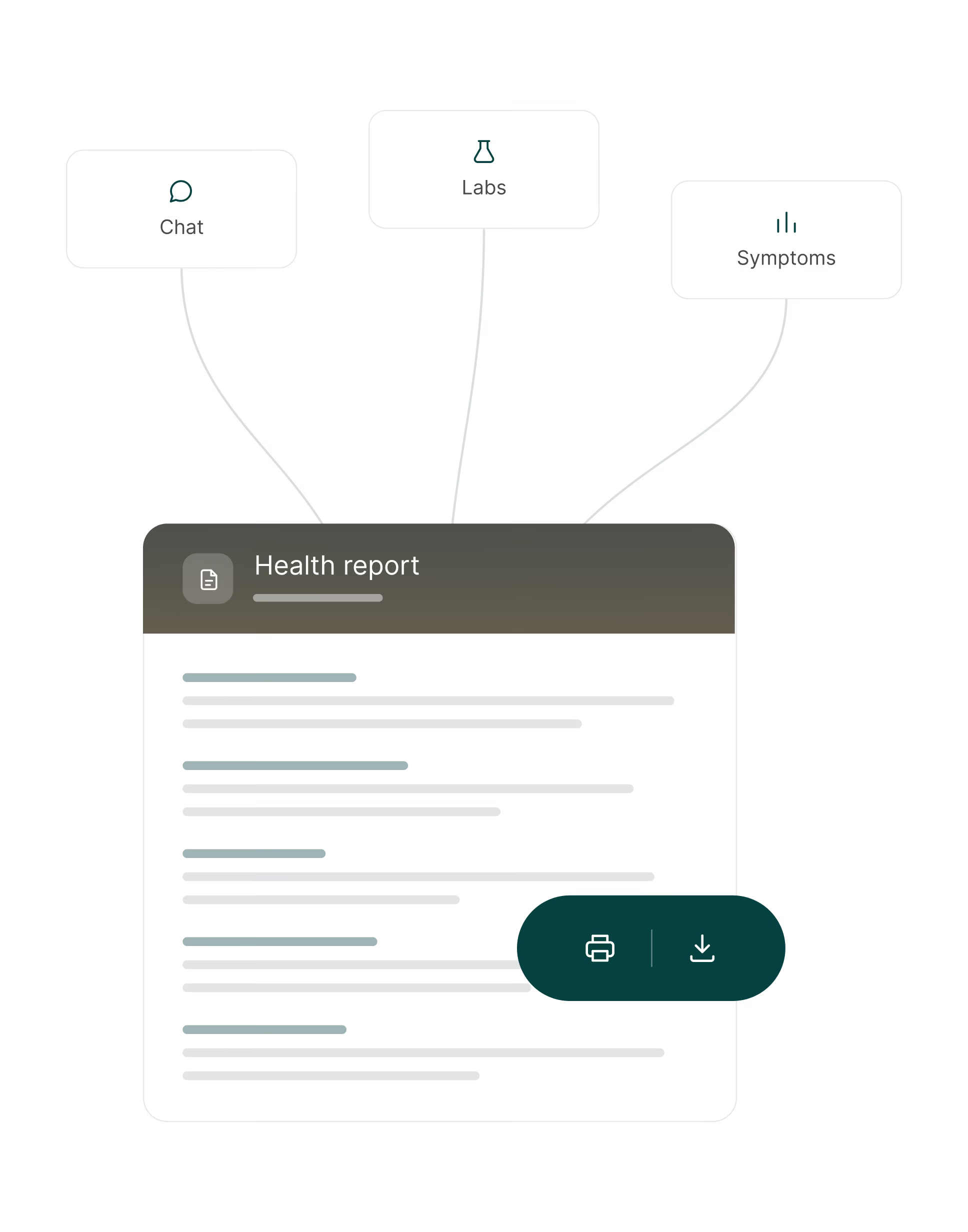
Patterns are easier to see over weeks than in a single reading, and an unexpected number is information rather than a failure. What gets recorded day to day can be kept in one place in the mama health app, a free diabetes app built with in-house doctors.
Types of diabetes
Type 1 diabetes is an autoimmune condition in which the body produces little or no insulin, and people with type 1 need insulin every day.
Type 2 diabetes occurs when the body does not use insulin effectively or produce enough of it. It is the most common type and can develop at any age.
Gestational diabetes develops during pregnancy and usually improves after delivery, although it increases the future likelihood of type 2 diabetes.
Less common forms include monogenic diabetes, diabetes caused by pancreatic conditions, and diabetes linked to certain medicines or hormonal disorders.
What is prediabetes?
Prediabetes means blood glucose is higher than expected but not yet within the diabetes range. It increases the likelihood of developing type 2 diabetes, although lifestyle changes and appropriate medical support can help prevent or delay that.
How is diabetes treated?
Treatment depends on the type, glucose patterns, other health conditions and personal needs. It may include insulin, tablets, other injected medicines, nutrition support, physical activity and glucose monitoring.
Everyone with type 1 diabetes needs insulin. Some people with type 2 or gestational diabetes also need insulin, while others use different medicines or lifestyle support. Treatment may change over time. Questions that come up between appointments can be put through mama health, which is free diabetes support grounded in medical science and the experience of others.
Living with diabetes
Living with diabetes involves repeated decisions about food, activity, medicines and glucose. There is no single eating or exercise plan that works for everyone.
Regular appointments, taking medicines as agreed and knowing your own glucose patterns make everyday management easier. Technology such as continuous glucose monitors and insulin pumps helps some people.
What other conditions is diabetes linked to?
Diabetes is reviewed alongside other conditions because, over time, it can affect blood vessels, nerves, kidneys and the liver. Those regular checks are part of routine care rather than a sign that something has gone wrong. mama health has guides to several of the conditions that come up in that context, including heart failure, kidney conditions, nerve pain and liver conditions.
Who is at risk of developing diabetes?
Type 1 diabetes is associated with genetic susceptibility and a family history of the condition, and there is currently no established way to prevent it.
Risk factors for type 2 include family history, increasing age, prediabetes, limited physical activity, overweight or obesity, polycystic ovary syndrome and a previous diagnosis of gestational diabetes. These increase likelihood but do not mean a person will definitely develop diabetes.
What are the symptoms of diabetes?
Symptoms can include increased thirst, frequent urination, increased hunger, tiredness, blurred vision, unexplained weight loss, slow-healing wounds and frequent infections. Some people also experience tingling or numbness in their hands or feet, which mama health's guide to neuropathic pain covers.
Type 1 symptoms may appear quickly, while type 2 can develop gradually with few or no noticeable symptoms.
How is diabetes diagnosed?
Diabetes is diagnosed using blood tests that measure glucose levels, including an A1C test, fasting glucose test, glucose tolerance test or random glucose test when symptoms are present.
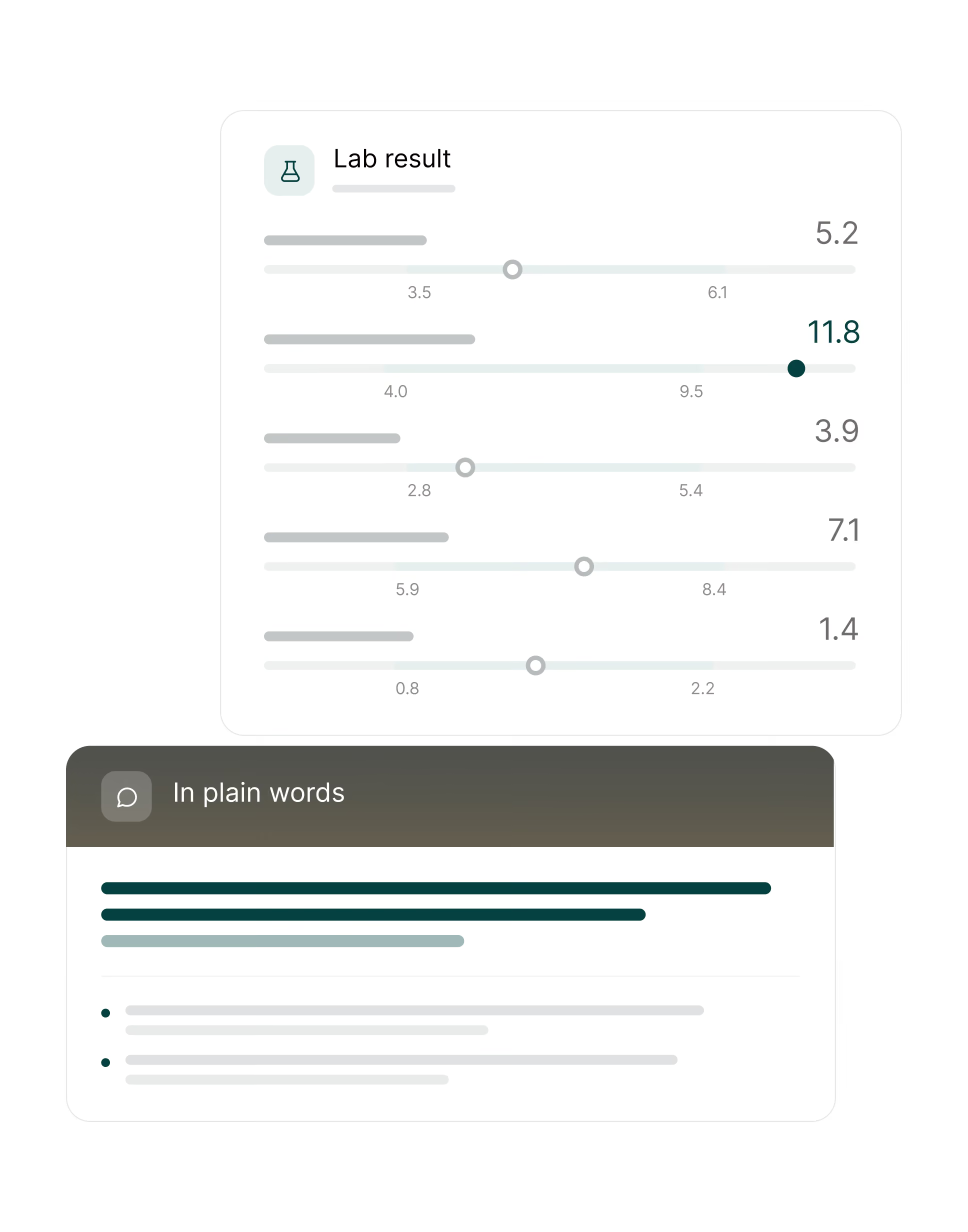
Additional tests are sometimes needed to determine which type a person has. Home glucose meters and continuous glucose monitors support day-to-day management but cannot confirm a diagnosis on their own. Results and letters can be read back in plain language in the mama health app, a free diabetes support app.
What stands behind mama health
Medical oversight, safeguards around your data, and a clear purpose for every anonymized experience shared.
.avif)







Reviewed by our doctors
Our doctors review the medical sources behind every AI answer. Designed for high accuracy from your first chat.

Anonymized for good
Your personal data is encrypted and never shared. We turn it into anonymized insights. All under strict European data standards.

Contributing to research
Partners learn from anonymized patient experiences. That helps push research and better treatments forward.
All conditions we add to mama health go through careful checks.



Frequently asked questions
The report will appear in your inbox shortly✅
If you would like to explore how real-time patient insights can strengthen your commercial strategies, book a chat through the link below.