Every day with Crohn's Disease raises a new question
.avif)
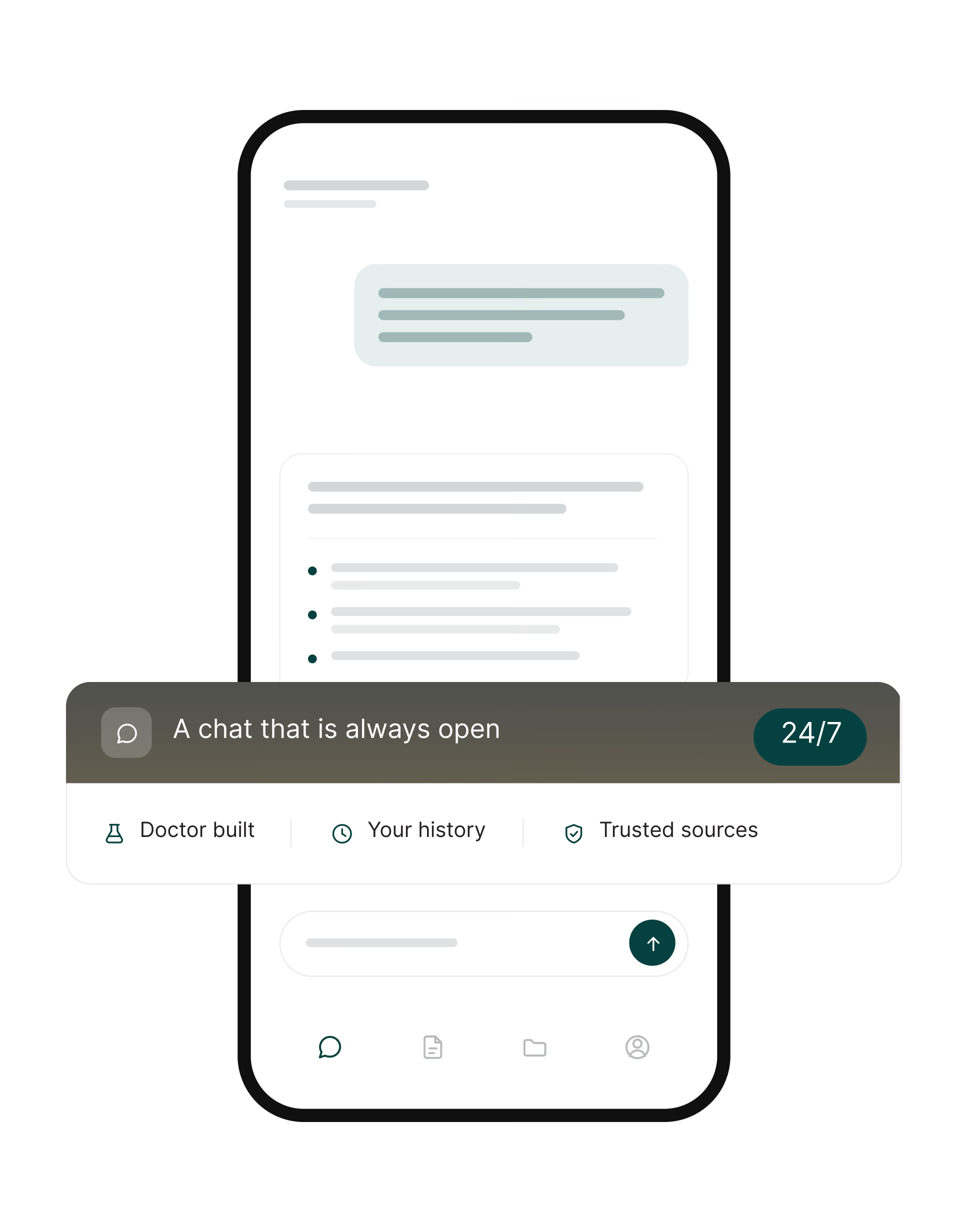
A free app for everything Crohn's Disease asks of you, grounded in medical science and the experience of others, so you don't have to figure it out alone.

One app for everything Crohn's Disease asks of you
Personalized answers before, after, and in between every appointment.

What to know about Crohn's Disease
The basics on causes, types, symptoms, treatment and diagnosis, written from medical guidelines and reviewed by our in-house doctors. Open the parts that apply to you.
What is Crohn's disease?
Crohn's disease is a long-term inflammatory bowel disease causing inflammation in the digestive tract. It can affect any area from the mouth to the anus, although it most commonly affects the end of the small intestine and the beginning of the colon. Symptoms often alternate between active flares and periods of remission. Crohn's and ulcerative colitis are the two main forms of inflammatory bowel disease, and they differ in where the inflammation sits and how deeply it goes into the bowel wall.
What causes Crohn's disease?
The exact cause is not fully understood. Crohn's is thought to develop when an abnormal immune response causes ongoing inflammation in the digestive tract. Genetics, environmental factors and changes in the gut microbiome may all contribute. It is not caused by stress or by eating a particular food.
Living with Crohn's disease
Urgency, pain and fatigue can affect work, education, relationships, travel and social activities. Planning toilet access, carrying supplies and scheduling rest around demanding activities may make some situations easier. The fatigue is often underestimated, and mama health's guide to fatigue that isn't ordinary tiredness covers why it happens with inflammatory conditions.
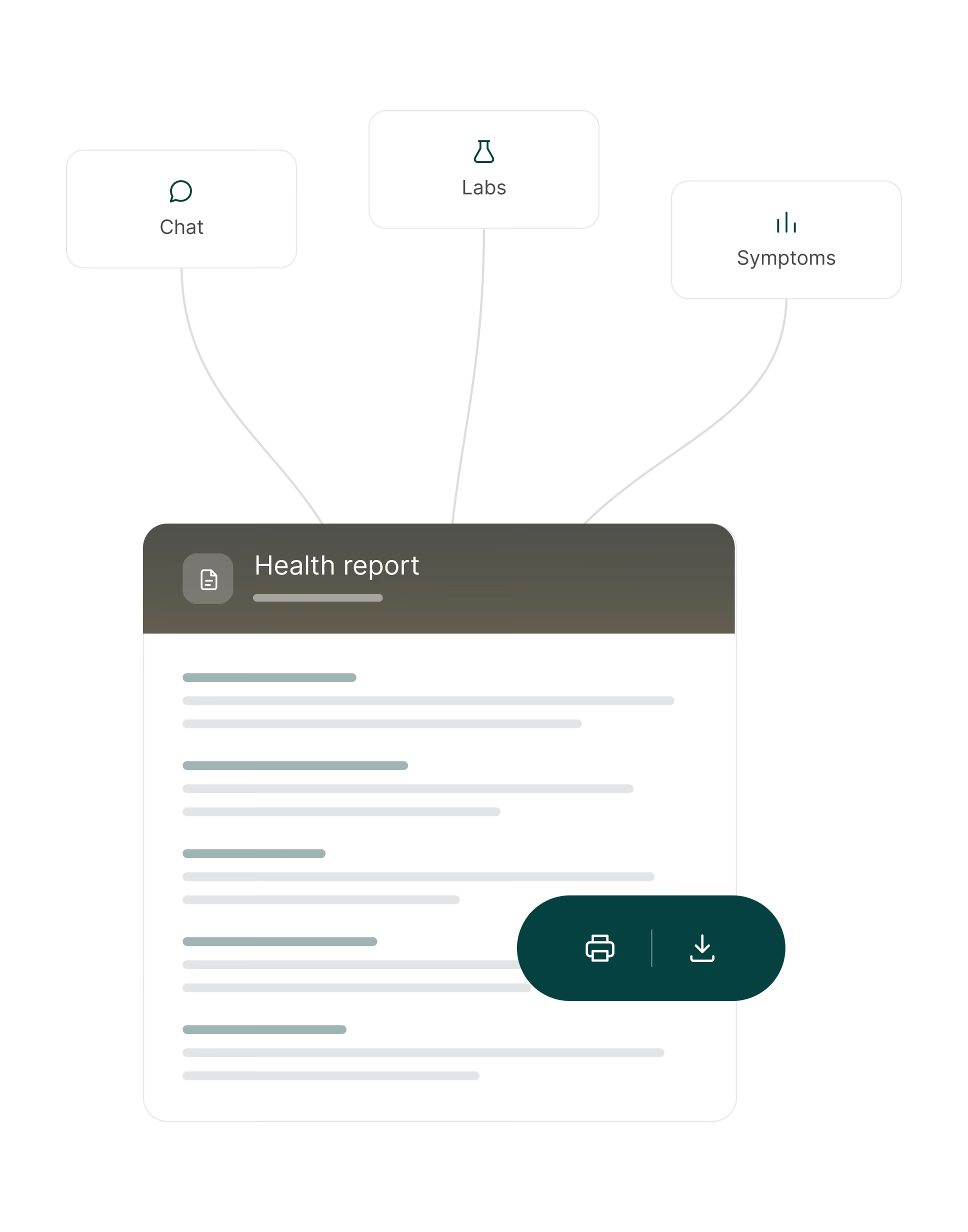
A record of bowel movements, pain, bleeding, fatigue, food, medicines and symptoms outside the gut helps in noticing changes and preparing for appointments, and it can be kept in one place in the mama health app, a free Crohn's disease app built with in-house doctors.
Types of Crohn's disease
Crohn's is classified according to the part of the digestive tract affected.
Ileitis affects the end of the small intestine.
Ileocolitis affects both that area and the colon.
Crohn's colitis affects only the colon.
Gastroduodenal Crohn's affects the stomach and upper small intestine, and jejunoileitis affects areas of the small intestine. Both are less common.
Some people also develop Crohn's around the anus, including fistulas, abscesses or ulcers.
How is Crohn's disease treated?
Treatment aims to reduce inflammation, control symptoms and maintain remission. Options may include short courses of corticosteroids, immunosuppressants, biologic medicines and targeted oral treatments.
The most suitable treatment depends on where the inflammation is located, how severe it is and which treatments have already been tried. Medicines can control Crohn's but do not currently cure it. Questions that come up between appointments can be put through mama health, which is free Crohn's disease support grounded in medical science and the experience of others.
Surgery for Crohn's disease
Surgery may be needed to treat blockages, fistulas, abscesses, severe bleeding or inflammation that does not improve with medicine. It usually involves removing or repairing the affected part of the bowel.
Unlike surgery for ulcerative colitis, surgery does not cure Crohn's, because inflammation can later appear in another part of the digestive tract. Continued treatment and monitoring may still be needed.
Who is at risk of developing Crohn's disease?
Anyone can develop Crohn's, although it often begins in adolescence or early adulthood. Having a parent or sibling with inflammatory bowel disease increases the likelihood. Smoking also increases the risk and may contribute to more severe inflammation. Genetics influence susceptibility, but family history cannot predict with certainty who will develop the condition.
Long-term inflammation can cause narrowing of the intestine, known as a stricture, which may lead to a blockage. Crohn's can also cause fistulas, abscesses, anal fissures, ulcers, bleeding and malnutrition. People with Crohn's affecting the colon may have an increased risk of colorectal cancer, particularly after many years. Regular monitoring helps identify inflammation and other changes early.
What are the symptoms of Crohn's disease?
Common symptoms include persistent diarrhea, abdominal pain, cramping, weight loss and fatigue. Some people also experience blood in the stool, an urgent need to use the toilet, nausea, vomiting, reduced appetite or fever. Symptoms vary depending on the location and severity of inflammation, and children may also experience poor growth, delayed puberty or difficulty gaining weight.
Crohn's can affect other areas of the body. Some people experience painful or swollen joints, mouth ulcers, eye redness, skin changes or problems involving the liver and bile ducts or kidneys. These may occur during a bowel flare or develop separately. Fatigue, anemia, anxiety and low mood can also significantly affect daily life.
How is Crohn's disease diagnosed?
Diagnosis usually involves discussing symptoms and medical history, followed by blood and stool tests that look for inflammation, anemia and infection.
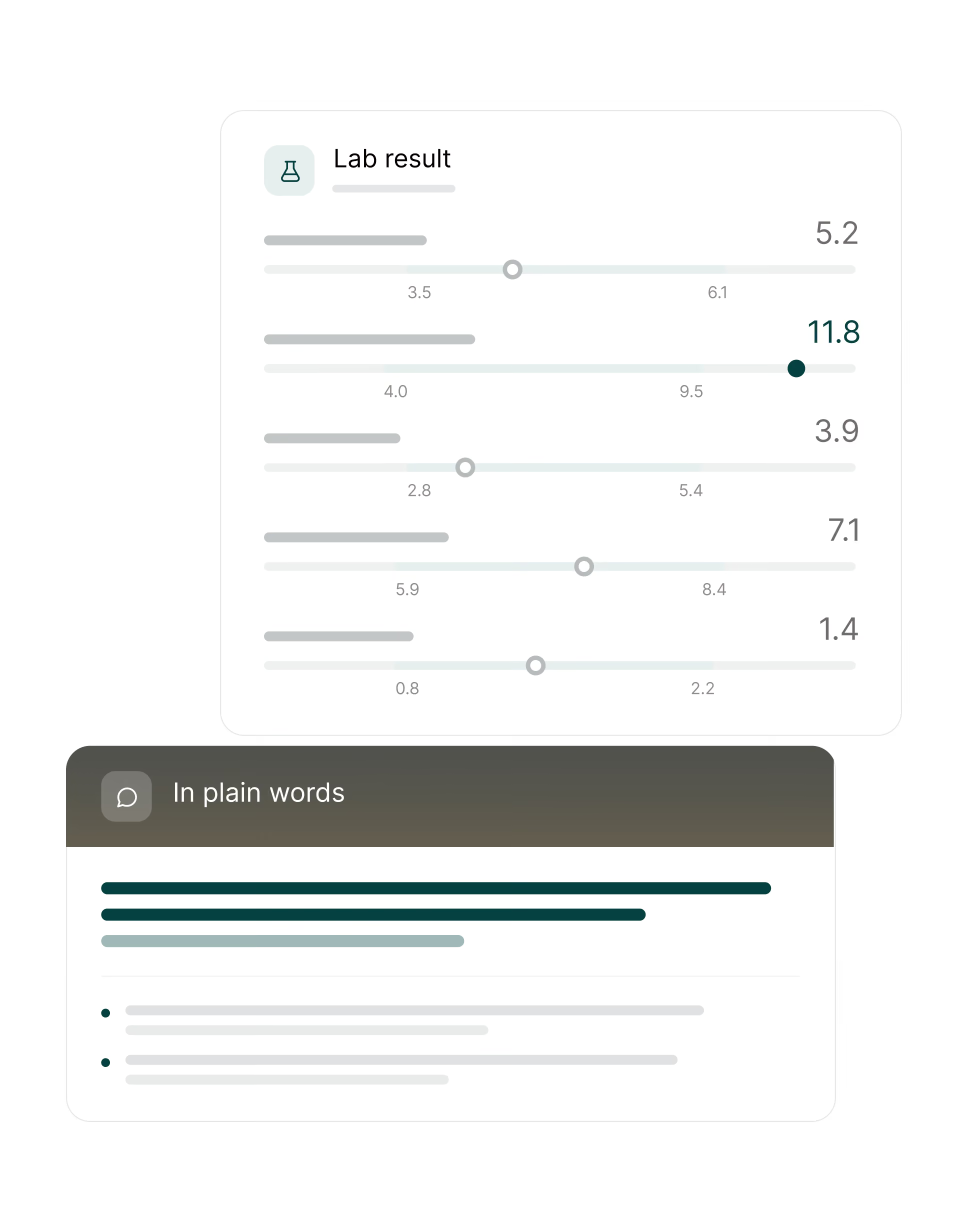
A colonoscopy or another form of endoscopy with biopsies is often needed. Imaging tests such as MRI or CT scans may also be used to examine areas of the small intestine and identify complications. Results, letters and prescriptions can be read back in plain language in the mama health app, a free Crohn's disease support app.
What stands behind mama health
Medical oversight, safeguards around your data, and a clear purpose for every anonymized experience shared.
.avif)







Reviewed by our doctors
Our doctors review the medical sources behind every AI answer. Designed for high accuracy from your first chat.

Anonymized for good
Your personal data is encrypted and never shared. We turn it into anonymized insights. All under strict European data standards.

Contributing to research
Partners learn from anonymized patient experiences. That helps push research and better treatments forward.
All conditions we add to mama health go through careful checks.



Frequently asked questions
The report will appear in your inbox shortly✅
If you would like to explore how real-time patient insights can strengthen your commercial strategies, book a chat through the link below.