Every day with Ulcerative Colitis raises a new question

A free app for everything Ulcerative Colitis asks of you, grounded in medical science and the experience of others, so you don't have to figure it out alone.

One app for everything Ulcerative Colitis asks of you
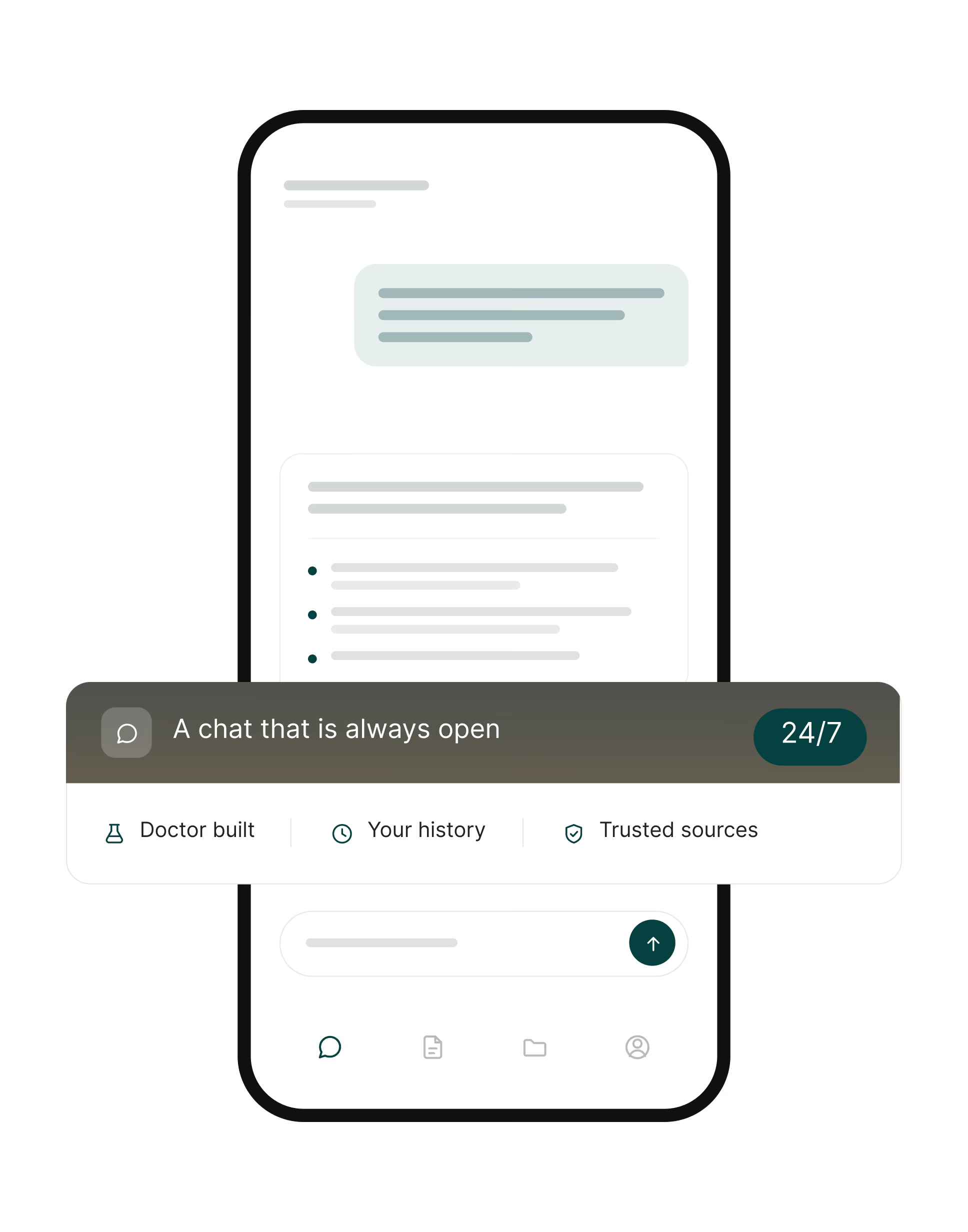
Personalized answers before, after, and in between every appointment.

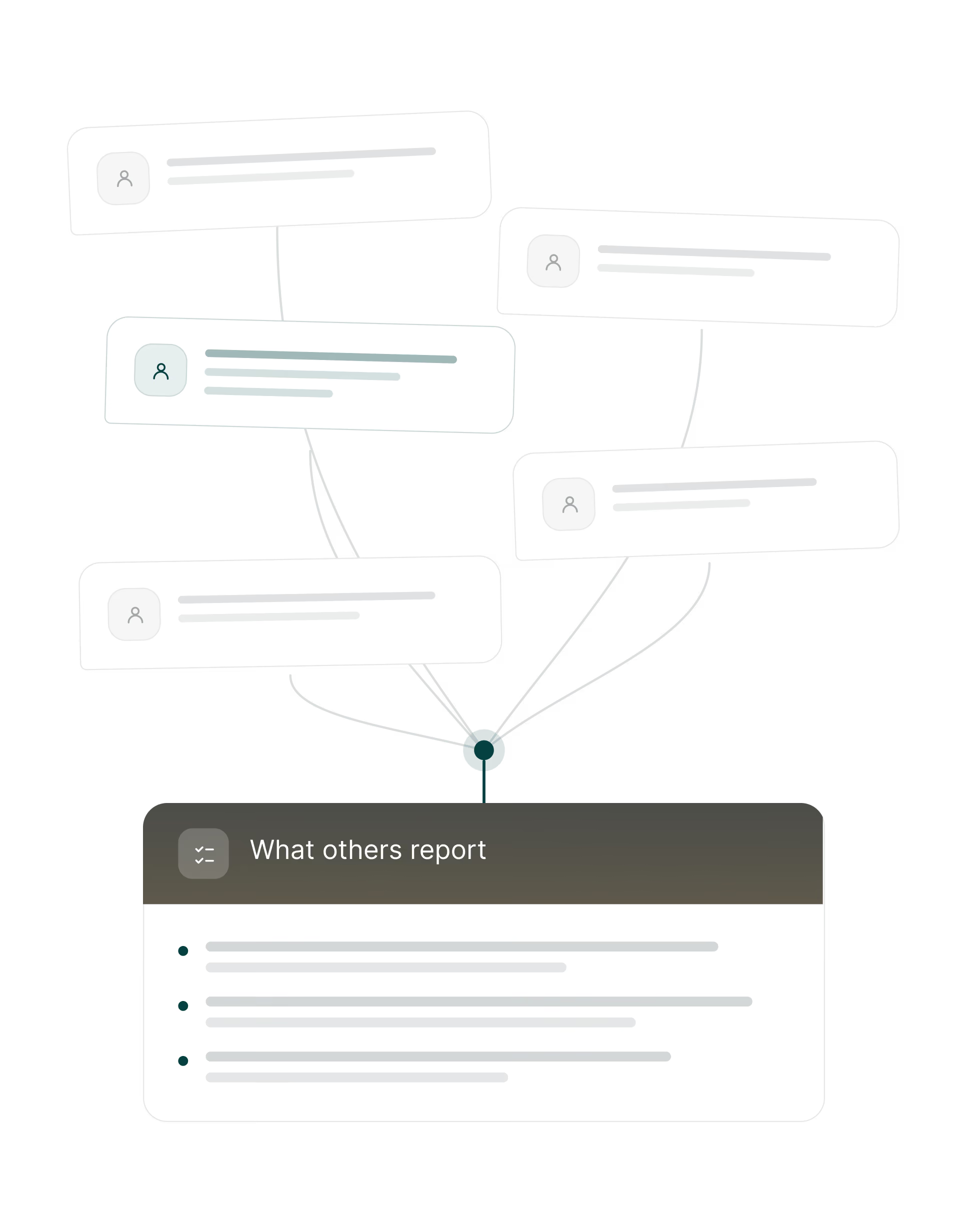
What to know about Ulcerative Colitis
The basics on causes, types, symptoms, treatment and diagnosis, written from medical guidelines and reviewed by our in-house doctors. Open the parts that apply to you.
What is ulcerative colitis?
Ulcerative colitis, or UC, is a long-term inflammatory bowel disease affecting the rectum and colon, causing inflammation and ulcers in the inner lining of the large intestine. Symptoms often alternate between flares, when the condition is active, and remission, when they improve or disappear. UC and Crohn's disease are the two main forms of inflammatory bowel disease, and they differ in where and how deeply the inflammation sits.
What causes ulcerative colitis?
The exact cause is not fully understood. UC is thought to develop when the immune system reacts abnormally and causes ongoing inflammation in the colon. Genetics, the gut microbiome and environmental factors may all contribute. UC is not caused by stress or by eating a particular food.
Types of ulcerative colitis
The type depends on how much of the colon is affected.
Ulcerative proctitis affects only the rectum.
Proctosigmoiditis affects the rectum and the nearby sigmoid colon.
Left-sided colitis extends along the left side of the colon.
Extensive colitis, also called pancolitis, affects most or all of the colon.
How is ulcerative colitis treated?
Treatment aims to reduce inflammation, control flares and maintain remission. Options may include aminosalicylates, short courses of corticosteroids, immunosuppressants, biologic medicines and targeted oral treatments. The most suitable option depends on the location and severity of inflammation, previous treatments and individual health needs.
Surgery may be considered when medicines do not control the condition, quality of life is severely affected or serious complications develop. It usually involves removing the colon and rectum and creating either an internal pouch or a stoma. Questions that come up between appointments can be put through mama health, which is free ulcerative colitis support grounded in medical science and the experience of others.
Living with ulcerative colitis
Urgency, fatigue and uncertainty about toilet access can affect work, travel, relationships and social activities. Planning ahead, carrying supplies and knowing where toilets are can make some situations easier. The fatigue in particular is often underestimated, and mama health's guide to fatigue that isn't ordinary tiredness covers why that happens with inflammatory conditions.
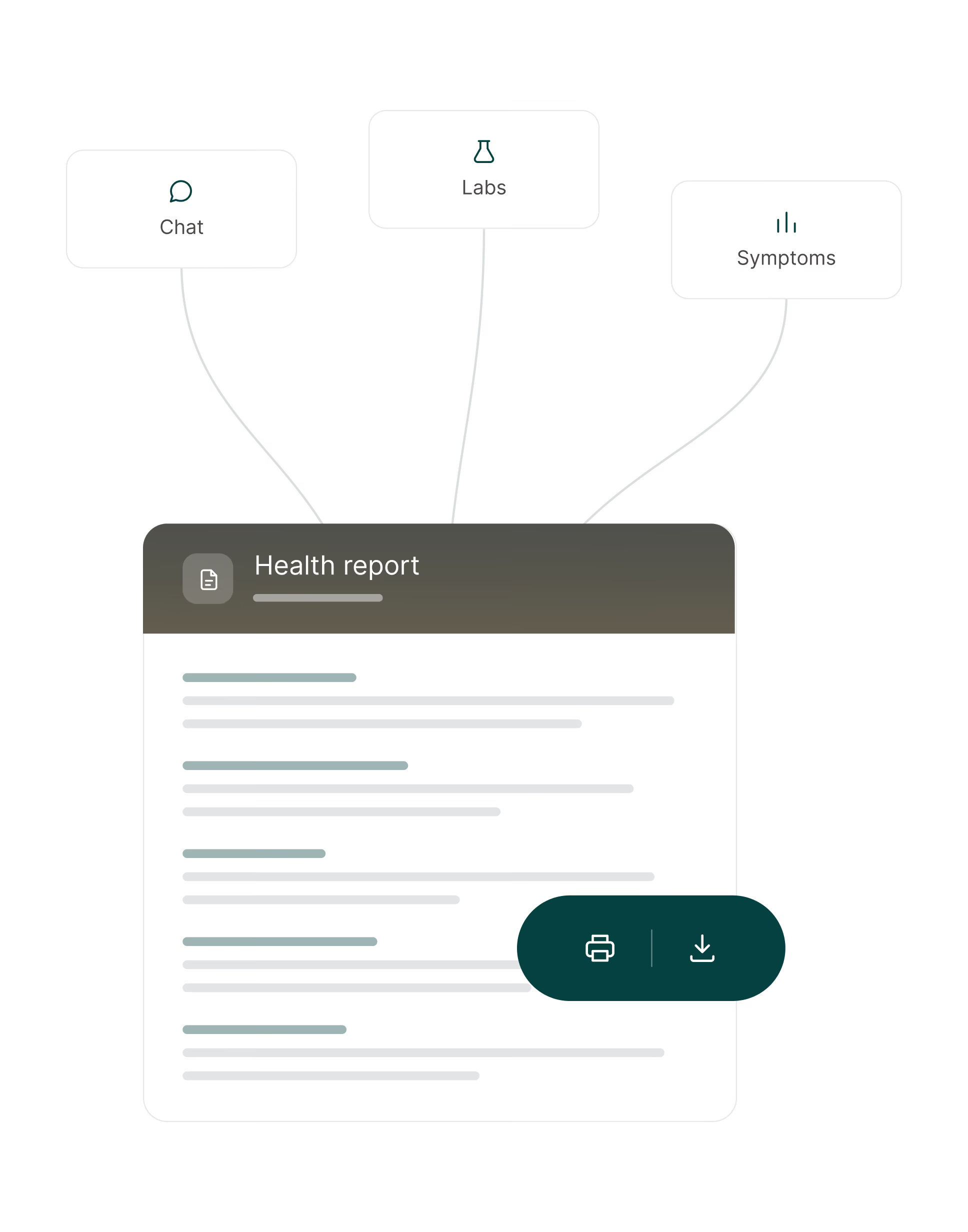
A record of bowel movements, bleeding, pain, medicines and symptoms outside the bowel makes appointments more productive, and it can be kept in one place in the mama health app, a free ulcerative colitis app built with in-house doctors.
Who is at risk of developing ulcerative colitis?
Anyone can develop UC, including children and older adults, although it often begins in adolescence or early adulthood. Having a parent, sibling or child with inflammatory bowel disease increases the likelihood. Genes affect susceptibility, but UC is not usually inherited in a predictable way, and there is no established method of preventing it.
UC can also increase the risk of blood clots and colorectal cancer, particularly when extensive inflammation has been present for many years. Regular monitoring helps identify changes early.
What are the symptoms of ulcerative colitis?
Common symptoms include recurring diarrhea, blood or mucus in the stool, abdominal pain, cramping and an urgent or frequent need to use the toilet. Some people feel they still need to have a bowel movement even when the bowel is empty, which is known as tenesmus. Fatigue, fever, nausea, loss of appetite and weight loss may occur when inflammation is more severe.
UC can also affect other parts of the body. People may experience painful joints, skin changes, mouth ulcers, eye inflammation or problems affecting the liver and bile ducts. These may occur alongside bowel symptoms or develop separately.
How is ulcerative colitis diagnosed?
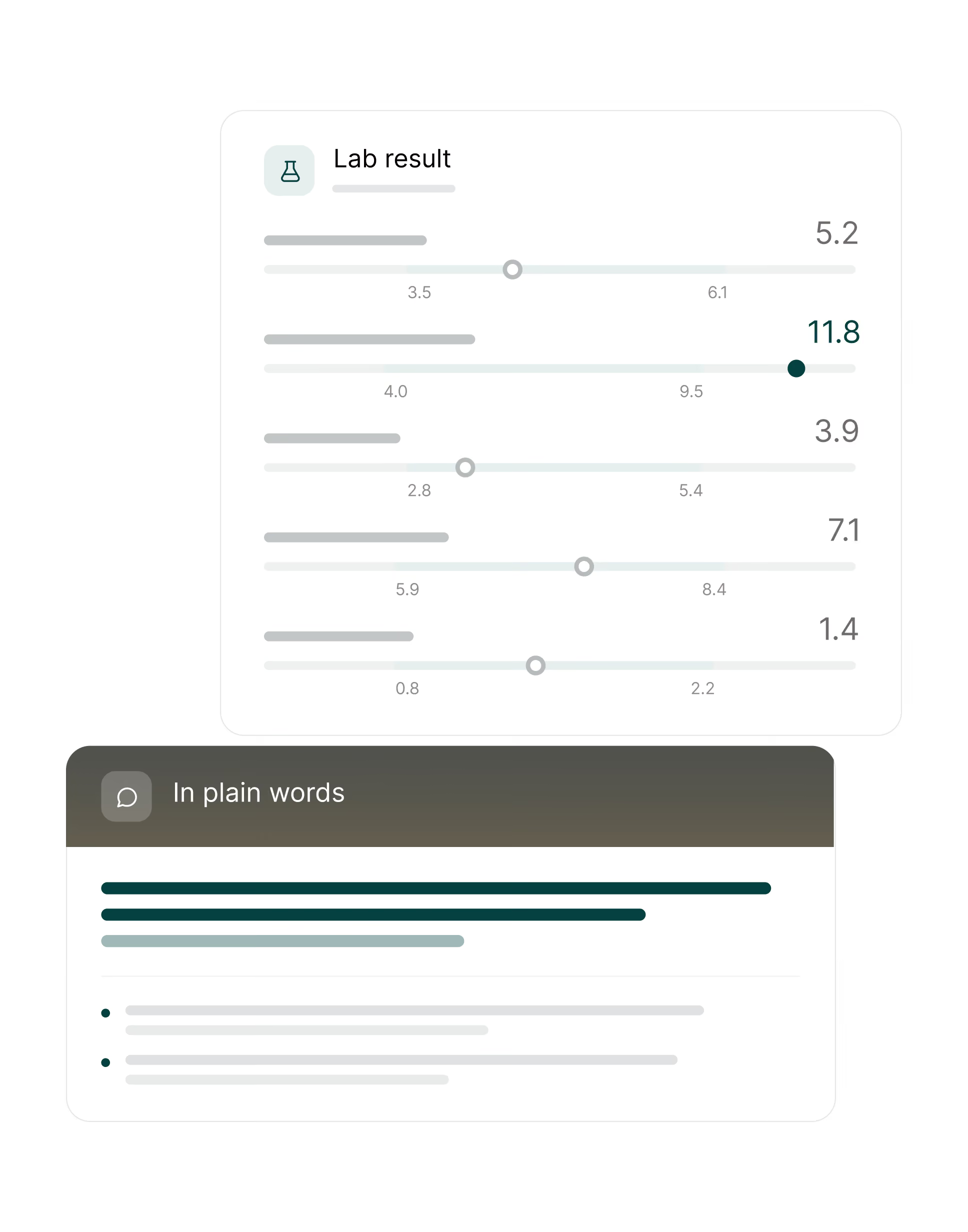
Diagnosis usually involves discussing symptoms and medical history, followed by blood and stool tests. A colonoscopy or flexible sigmoidoscopy with small tissue samples, called biopsies, is normally needed to confirm UC, determine how much of the colon is affected and rule out infections or other conditions. Results, letters and prescriptions can be read back in plain language in the mama health app, a free ulcerative colitis support app.
What stands behind mama health
Medical oversight, safeguards around your data, and a clear purpose for every anonymized experience shared.
.avif)







Reviewed by our doctors
Our doctors review the medical sources behind every AI answer. Designed for high accuracy from your first chat.

Anonymized for good
Your personal data is encrypted and never shared. We turn it into anonymized insights. All under strict European data standards.

Contributing to research
Partners learn from anonymized patient experiences. That helps push research and better treatments forward.
All conditions we add to mama health go through careful checks.



Frequently asked questions
The report will appear in your inbox shortly✅
If you would like to explore how real-time patient insights can strengthen your commercial strategies, book a chat through the link below.