Every day with Acute and Chronic Pain raises a new question

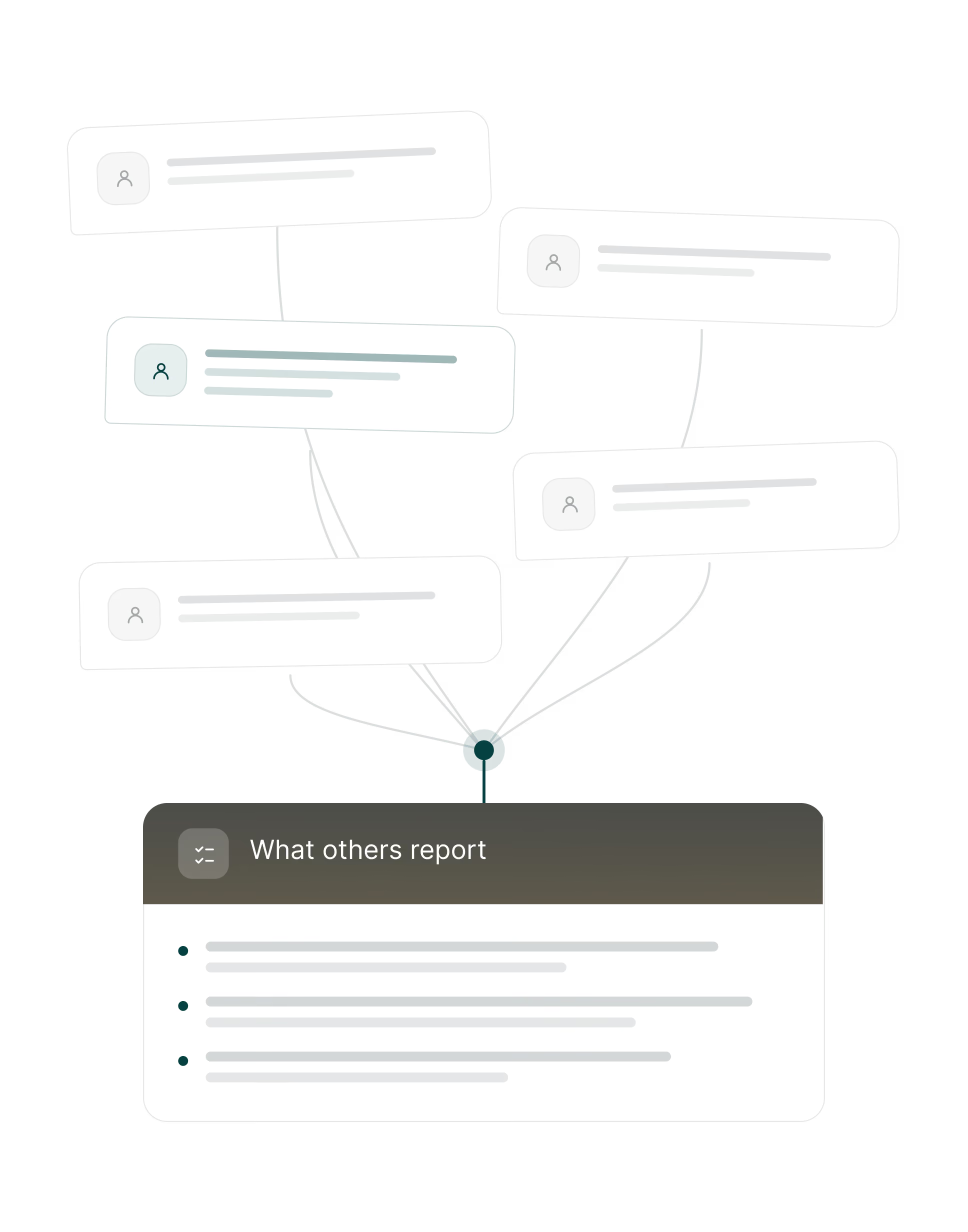
A free app for everything Acute and Chronic Pain asks of you, grounded in medical science and the experience of others, so you don't have to figure it out alone.

One app for everything Acute and Chronic Pain asks of you
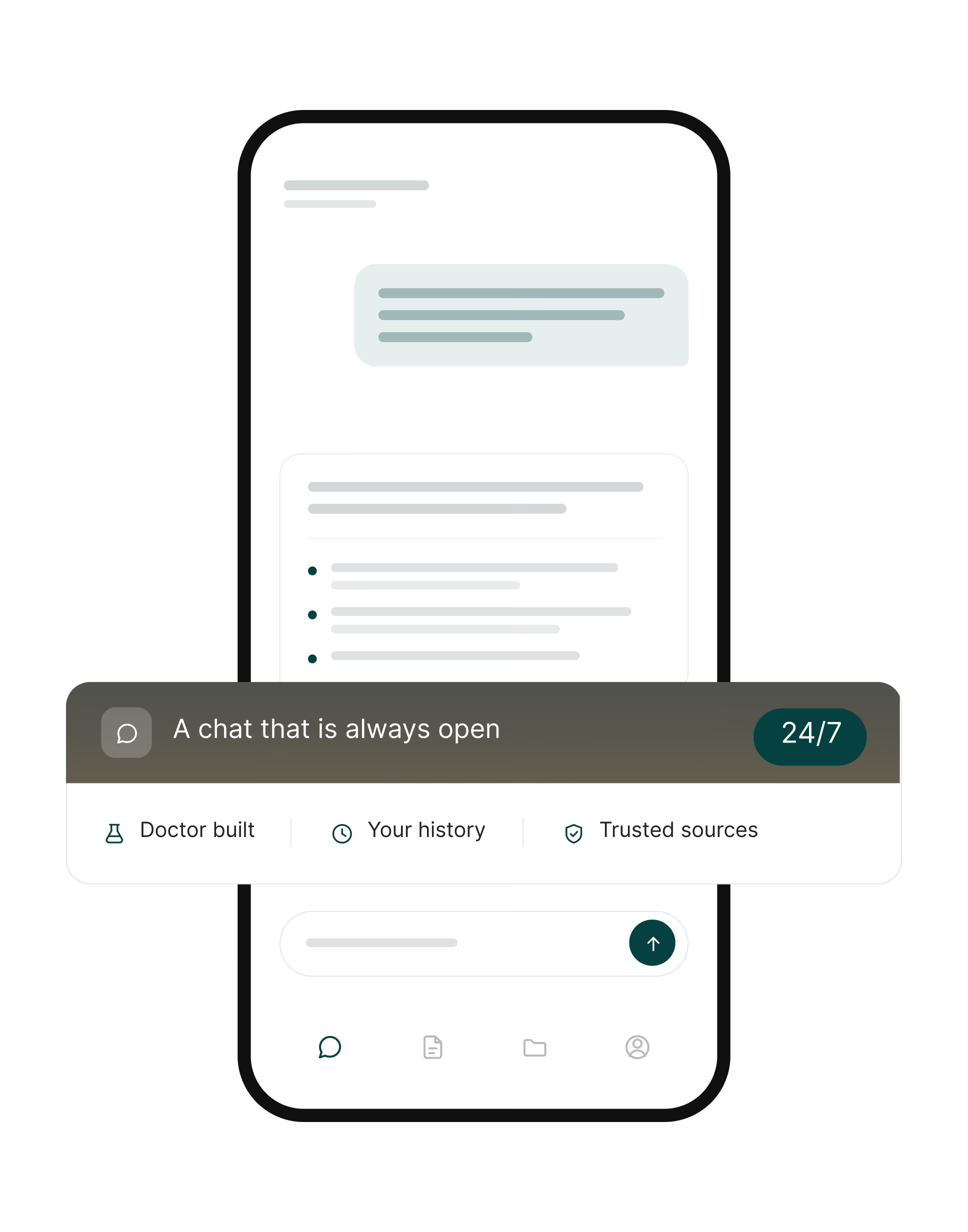
Personalized answers before, after, and in between every appointment.


What to know about Acute and Chronic Pain
The basics on causes, types, symptoms, treatment and diagnosis, written from medical guidelines and reviewed by our in-house doctors. Open the parts that apply to you.
What is acute pain?
Acute pain usually begins suddenly and lasts for a short period. It often acts as a warning that the body has been injured or that something needs medical attention. Common causes include cuts, burns, infections, broken bones, dental problems, surgery and childbirth.
Acute pain normally improves as the injury or illness heals. However, severe or poorly controlled acute pain can sometimes continue beyond the expected healing period and become chronic. mama health's guide to how long acute pain lasts covers the usual course and when to seek medical attention.
What is chronic pain?
Chronic pain lasts or repeatedly returns for more than three months, or continues beyond the expected healing time. It may develop after an injury, illness or operation, but it can also occur without a clearly identifiable cause.
Chronic pain can affect movement, sleep, mood, concentration, relationships and the ability to work or complete everyday activities. The pain is real even when scans or other tests do not show a clear explanation, which is part of why diagnosis is often delayed where pain is the main symptom, as with endometriosis and lupus. What each day involves can be kept in one place in the mama health app, a free chronic pain app built with in-house doctors.
What causes pain?
Acute pain is often caused by tissue damage, inflammation, illness or injury. Chronic pain may be connected to an ongoing condition such as arthritis, migraine, cancer, endometriosis, nerve damage or back problems. It can also remain after the original injury has healed. mama health has guides to several of them, including lupus joint pain, psoriatic arthritis, pelvic pain with endometriosis and pain from bone metastases.
Pain is influenced by a combination of biological, psychological and social factors. Stress, poor sleep, previous experiences, mood and a person's environment can affect how strongly pain is felt, but this does not mean the pain is imagined or "all in the mind."
Types of pain
Nociceptive pain is caused by tissue damage or inflammation. It may feel sharp, tender, throbbing or aching and can occur with an injury, infection or inflammatory condition.
Neuropathic pain results from damage or changes to the nerves. It is often described as burning, tingling, shooting, stabbing or similar to an electric shock. Nerve damage from diabetes is one of the more common causes.
Nociplastic pain is associated with changes in how the nervous system processes pain, without clear evidence that tissue or nerve damage fully explains it. Fibromyalgia and some forms of persistent back pain are examples.
Pain may also be episodic, meaning it occurs at intervals rather than being present continuously. A person can experience more than one type of pain at the same time.
How is pain treated?
Treatment depends on whether the pain is acute or chronic, what is causing it and how it affects the person's life. Acute pain treatment often focuses on treating the injury or illness while providing short-term pain relief.
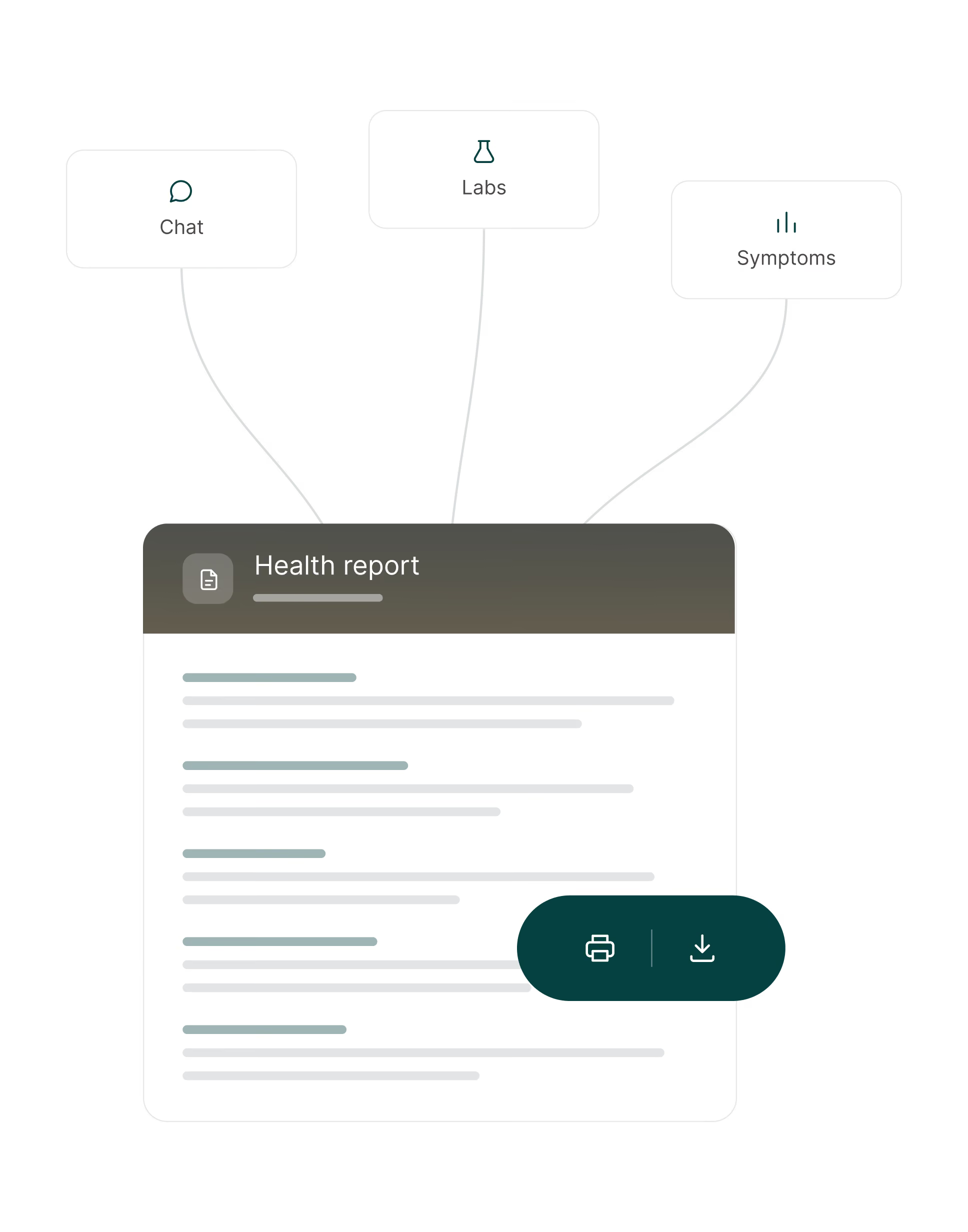
Chronic pain usually requires a broader approach. The goal may be to reduce symptoms while improving movement, sleep, independence and participation in meaningful activities. Treatment can include medicines, physical or occupational therapy, psychological support, medical procedures and self-management strategies. Questions that come up between appointments can be put through mama health, which is free chronic pain support grounded in medical science and the experience of others.
Medicines and medical procedures
Different medicines work for different types of pain. Options may include nonprescription pain relievers, anti-inflammatory medicines or prescription treatments. Some medicines originally developed for depression or epilepsy are also used for certain forms of nerve or chronic pain.
Injections, nerve blocks, implanted devices or surgery may be considered in selected situations. Every treatment can have risks and side effects, so medicines should be reviewed with a healthcare professional and used according to the recommended dose. Other health conditions change which pain medicines are suitable, as mama health's guide to checking pain and sleep medicines against another condition shows.
Who is at risk of developing acute and chronic pain?
Anyone can develop acute or chronic pain. The likelihood of persistent pain may be higher after a significant injury, operation, infection or repeated episodes of acute pain. Conditions involving inflammation, nerve damage, headaches, arthritis or the back may also increase the risk.
Sleep difficulties, stress, anxiety, depression and limited social support can make pain harder to manage or contribute to it becoming more disabling. These factors do not make the pain less physical or less valid. mama health's guides to chronic insomnia and depression with a long-term condition cover both alongside pain.
What are the symptoms of acute and chronic pain?
Pain may feel aching, burning, cramping, stabbing, shooting, throbbing, tingling or electric. It may remain in one place, spread to another area or be felt throughout the body. The intensity can remain stable or change throughout the day.
Chronic pain may also be accompanied by stiffness, reduced movement, muscle tension, weakness, fatigue, poor sleep, difficulty concentrating, irritability, anxiety or low mood. Symptoms may worsen after certain activities, prolonged inactivity, illness, stress or disrupted sleep. Fatigue that does not lift with rest is often described separately from the pain, and mama health's guide to fatigue with a long-term condition covers what it does to ordinary tasks.
How is acute and chronic pain diagnosed?
Pain cannot be measured by a single blood test or scan. Assessment usually begins with questions about where the pain is located, how it feels, when it began, how often it occurs and what makes it better or worse. Its effect on sleep, movement, mood and daily activities is also important.
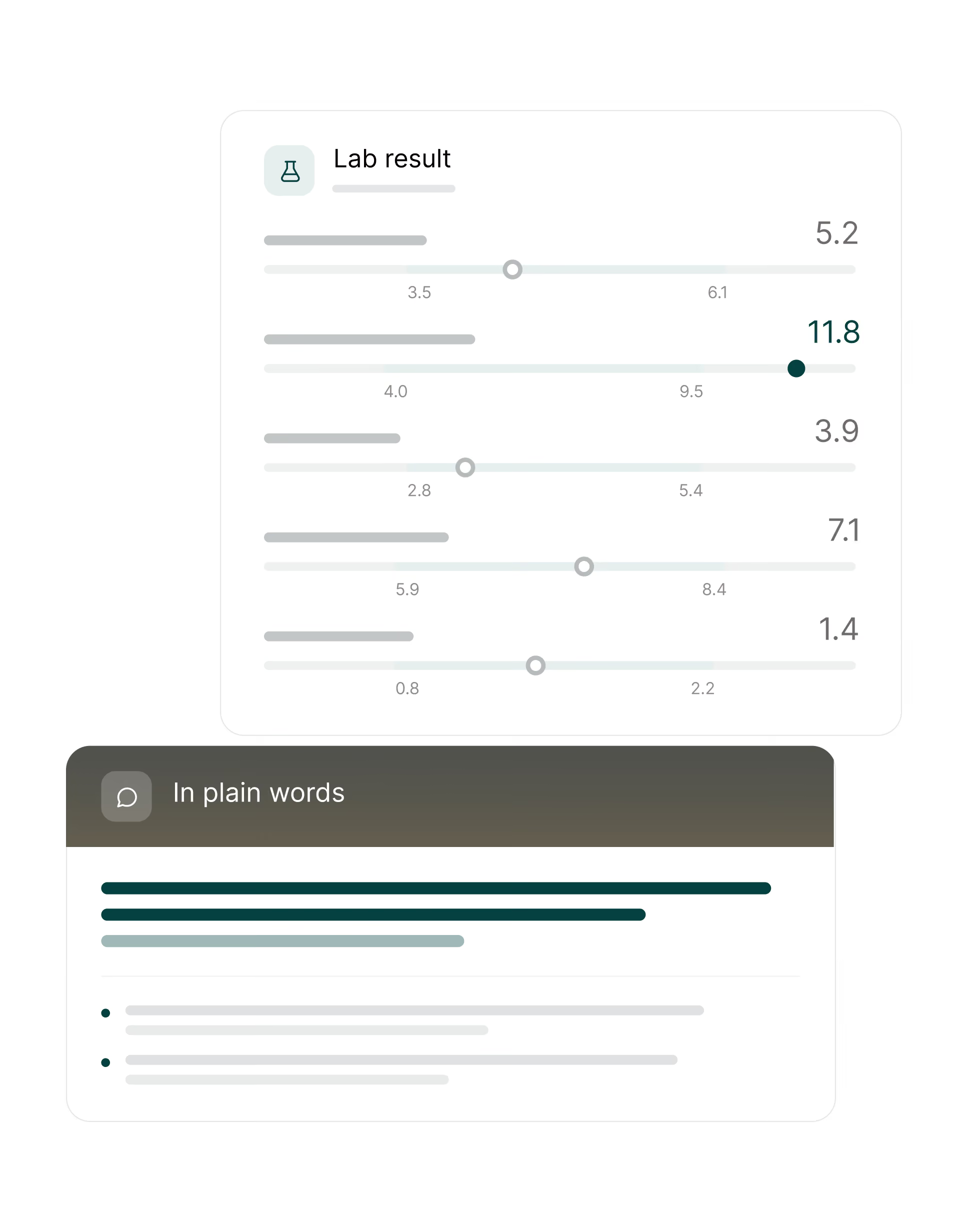
Depending on the symptoms, assessment may include a physical or neurological examination, blood tests, imaging or tests of nerve and muscle function. Sometimes no single cause is found, particularly with chronic pain. Results, letters and prescriptions can be read back in plain language in the mama health app, a free chronic pain support app.
What stands behind mama health
Medical oversight, safeguards around your data, and a clear purpose for every anonymized experience shared.
.avif)







Reviewed by our doctors
Our doctors review the medical sources behind every AI answer. Designed for high accuracy from your first chat.

Anonymized for good
Your personal data is encrypted and never shared. We turn it into anonymized insights. All under strict European data standards.

Contributing to research
Partners learn from anonymized patient experiences. That helps push research and better treatments forward.
All conditions we add to mama health go through careful checks.



Frequently asked questions
The report will appear in your inbox shortly✅
If you would like to explore how real-time patient insights can strengthen your commercial strategies, book a chat through the link below.