Every day with IgA Nephropathy raises a new question

A free app for everything IgA Nephropathy asks of you, grounded in medical science and the experience of others, so you don't have to figure it out alone.

One app for everything IgA Nephropathy asks of you
Personalized answers before, after, and in between every appointment.





What to know about IgA Nephropathy
The basics on causes, types, symptoms, treatment and diagnosis, written from medical guidelines and reviewed by our in-house doctors. Open the parts that apply to you.
What is IgA nephropathy?
IgA nephropathy, or IgAN, is a long-term kidney condition in which an antibody called immunoglobulin A builds up in the kidneys. These deposits cause inflammation and can damage the glomeruli, the tiny filters that remove waste and extra fluid from the blood. IgAN is also known as Berger's disease.
What causes IgA nephropathy?
The exact cause is not fully understood. Researchers believe that differences in the immune system cause unusual forms of IgA to collect in the kidneys. Genetics, environmental factors and infections may all play a role. Some people first notice blood in their urine during or shortly after a cold, sore throat or respiratory infection.
Types of IgA nephropathy
Primary IgAN occurs when IgA nephropathy is the main condition affecting the kidneys. Secondary IgAN is associated with another condition, such as certain liver conditions, celiac disease, inflammatory bowel disease or some infections. Identifying an associated condition may influence how the disease is managed. mama health has guides to several of them, including Crohn's disease, ulcerative colitis and decompensated cirrhosis.
IgA nephropathy is different from IgA vasculitis. Both involve IgA deposits, but IgA vasculitis affects small blood vessels throughout the body and may also cause a purple rash, joint pain and abdominal symptoms.
How is IgA nephropathy treated?
Treatment aims to reduce protein loss, control blood pressure and protect kidney function. Medicines such as ACE inhibitors or ARBs are commonly used to lower blood pressure and reduce protein in the urine.
Depending on the person's risk and kidney function, treatment may also include SGLT2 inhibitors, targeted immune treatments, corticosteroids or other medicines that act on the disease process. Treatment availability varies, and the benefits and possible side effects should be discussed with a kidney specialist. mama health's list of IgA nephropathy clinics in Italy shows where specialist care is available. Questions that come up between appointments can be put through mama health, which is free IgA nephropathy support grounded in medical science and the experience of others.
Who is at risk of developing IgA nephropathy?
Anyone can develop IgAN, although it is often identified in children, teenagers and younger adults. Having a family history of IgAN or IgA vasculitis may increase the likelihood of developing it.
IgAN is also associated with conditions such as celiac disease, inflammatory bowel disease, chronic liver conditions and certain infections. Having one of these risk factors does not mean that someone will necessarily develop IgAN, and there is currently no established way to prevent it.
What are the symptoms of IgA nephropathy?
Many people have no noticeable symptoms at first. Early signs may only be found during routine blood or urine tests.
Possible symptoms include pink, red, brown or cola-colored urine caused by blood, foamy urine caused by protein, swelling around the eyes or in the legs and feet, and high blood pressure. These symptoms can also occur with other conditions and do not confirm IgAN on their own. What changes between appointments can be kept in one place in the mama health app, a free IgAN app built with in-house doctors.
How is IgA nephropathy diagnosed?
Diagnosis usually begins with urine tests, blood tests, blood-pressure measurements and a review of symptoms and family history. These tests can identify blood or protein in the urine and show how well the kidneys are working.
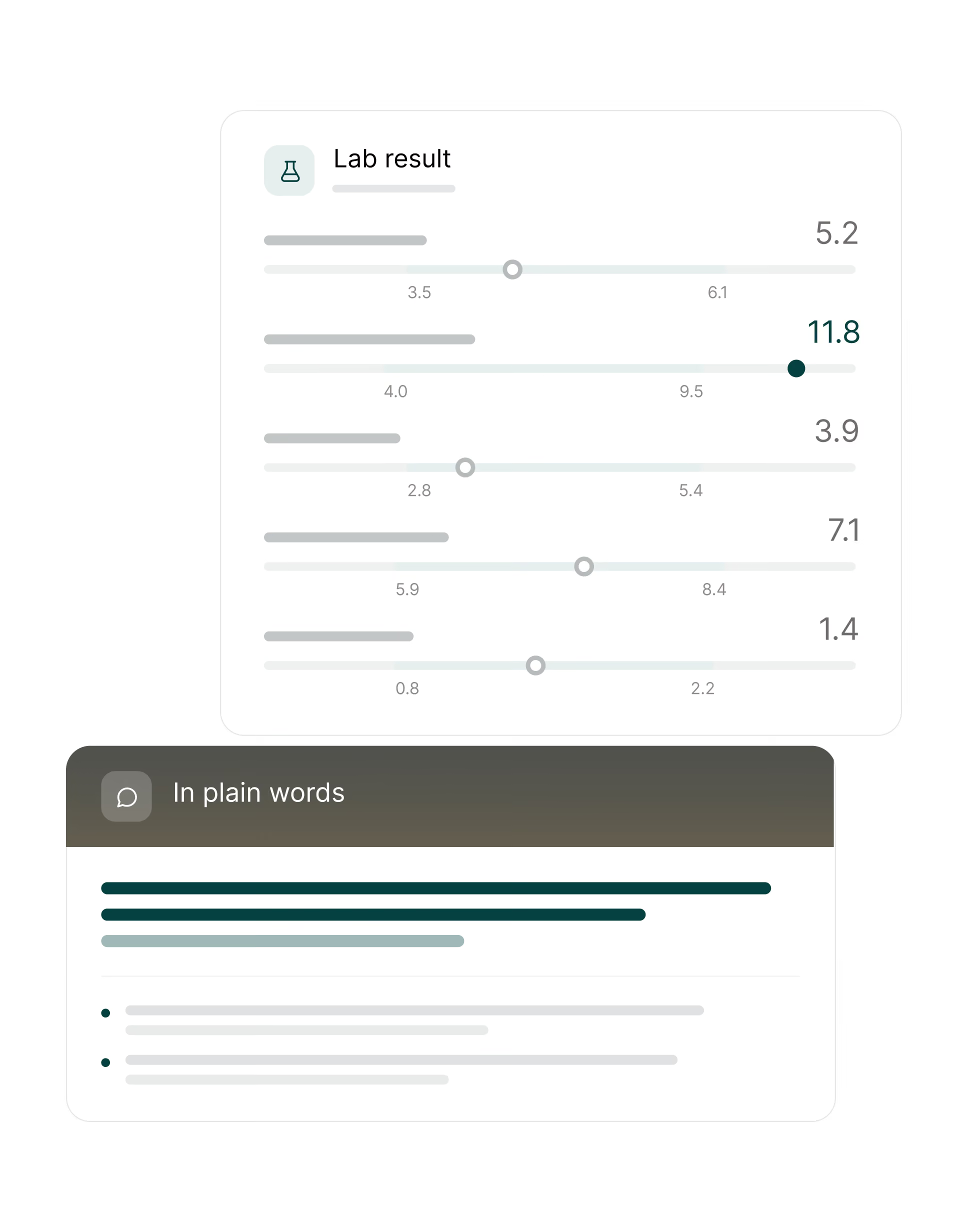
A kidney biopsy is normally needed to confirm IgAN. During a biopsy, a small sample of kidney tissue is examined for IgA deposits and signs of inflammation or scarring. Biopsies are carried out at specialist centers, and mama health's list of kidney clinics in Italy covers where if you are based in Italy. Results and letters can be read back in plain language in the mama health app, a free IgA nephropathy support app.
What stands behind mama health
Medical oversight, safeguards around your data, and a clear purpose for every anonymized experience shared.
.avif)







Reviewed by our doctors
Our doctors review the medical sources behind every AI answer. Designed for high accuracy from your first chat.

Anonymized for good
Your personal data is encrypted and never shared. We turn it into anonymized insights. All under strict European data standards.

Contributing to research
Partners learn from anonymized patient experiences. That helps push research and better treatments forward.
All conditions we add to mama health go through careful checks.



Frequently asked questions
The report will appear in your inbox shortly✅
If you would like to explore how real-time patient insights can strengthen your commercial strategies, book a chat through the link below.