Every day with Decompensated Cirrhosis raises a new question

A free app for everything Decompensated Cirrhosis asks of you, grounded in medical science and the experience of others, so you don't have to figure it out alone.

One app for everything Decompensated Cirrhosis asks of you
Personalized answers before, after, and in between every appointment.


What to know about Decompensated Cirrhosis
The basics on causes, types, symptoms, treatment and diagnosis, written from medical guidelines and reviewed by our in-house doctors. Open the parts that apply to you.
What is decompensated cirrhosis?
Cirrhosis is permanent scarring that prevents the liver from working normally and blocks blood flow through it. It becomes decompensated cirrhosis when the liver can no longer compensate for the damage and serious complications develop, such as abdominal fluid buildup, confusion or internal bleeding. mama health's guide to compensated vs decompensated cirrhosis sets out what changes at that point.
What causes decompensated cirrhosis?
Decompensated cirrhosis is the advanced stage of liver damage caused by another condition. Common causes include alcohol-associated liver disease, metabolic dysfunction–associated steatotic liver disease, chronic hepatitis B or C, autoimmune liver diseases and conditions affecting the bile ducts. Inherited disorders, certain medicines and long-term heart problems can also cause cirrhosis.
Living with decompensated cirrhosis
Regular monitoring is important even when symptoms appear stable. Keeping track of weight, abdominal swelling, confusion, bowel movements, medicines and recent test results can help identify changes earlier. mama health's guides to ascites and hepatic encephalopathy cover the two changes most often noticed first.
Family members or caregivers may notice confusion or behavior changes before the person experiencing them. Having a written medication list and emergency plan can help everyone respond more quickly. All of it can be kept in one place in the mama health app, a free cirrhosis app built with in-house doctors.
Stages of cirrhosis
In compensated cirrhosis, the liver is scarred but continues to perform many essential functions, and symptoms may be mild or absent.
In decompensated cirrhosis, complications such as ascites, hepatic encephalopathy or bleeding from enlarged veins have developed. A person may experience more than one of these complications, and symptoms can change over time. mama health's guide to the stages of cirrhosis goes through the complications that define each one.
How is decompensated cirrhosis treated?
Treatment focuses on managing the underlying cause, preventing further liver damage and controlling complications. This may include antiviral treatment, stopping alcohol, treating an autoimmune or metabolic condition and reviewing medicines that could affect the liver. That medication review is its own task, and mama health's guide to pain, sleep and anxiety medicines with cirrhosis covers what has to be checked.
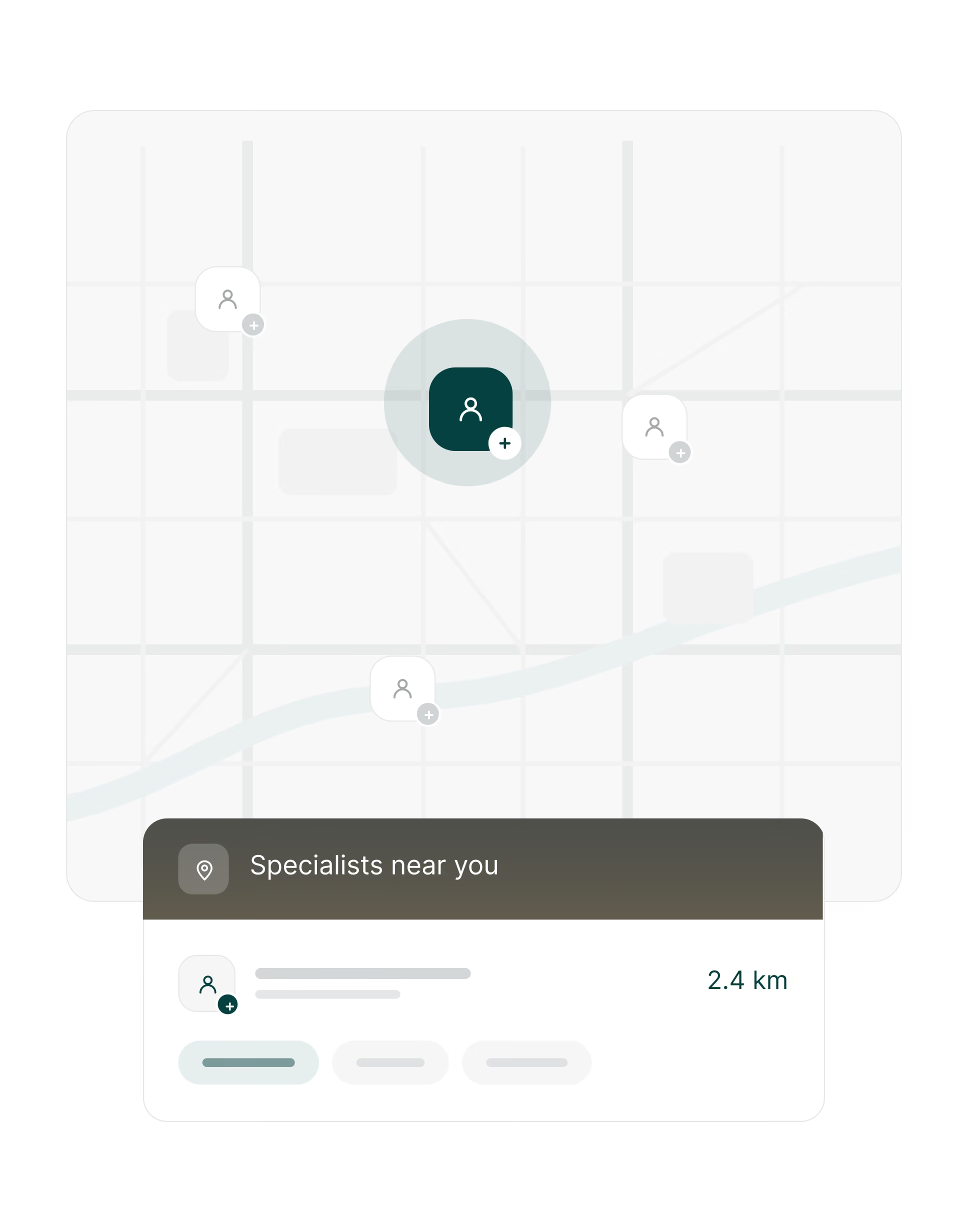
Additional treatments may be needed for ascites, infections, hepatic encephalopathy, varices or kidney problems. Salt and fluid usually come up alongside the medical treatment, covered in the guides to a low-salt diet for cirrhosis and how much water to drink. The treatment plan should be managed by a liver specialist and may change as the condition changes, and mama health's list of liver and hepatology centers in Italy shows where specialist care is available. Questions that come up between appointments can be put through mama health, which is free decompensated cirrhosis support grounded in medical science and the experience of others.
Liver transplantation
A liver transplant may be considered when cirrhosis has caused liver failure or complications that cannot be controlled adequately. Referral does not guarantee that a transplant will be needed or suitable, but it allows a specialist team to assess the available options.
People with decompensated cirrhosis should discuss whether and when a transplant evaluation may be appropriate. mama health's guide to asking for a liver transplant referral covers what the evaluation involves and what happens next.
Who is at risk of developing decompensated cirrhosis?
The risk of cirrhosis is higher in people with long-term liver conditions, heavy alcohol use, chronic viral hepatitis, obesity, type 2 diabetes or certain autoimmune and inherited diseases. Some people have more than one cause of liver damage.
Once cirrhosis is present, ongoing liver injury can increase the likelihood of decompensation. Cirrhosis and its complications are medical conditions and should not be viewed as a personal failure.
Decompensated cirrhosis can increase the risk of infections, kidney problems, malnutrition, muscle loss and liver failure. People with cirrhosis also have a higher risk of developing liver cancer and may need regular imaging and blood tests. mama health's guides to fatigue, weakness and muscle loss and what to eat with decompensated cirrhosis cover that side of it.
The complications experienced and their severity differ from person to person.
What are the symptoms of decompensated cirrhosis?
Symptoms may include severe tiredness, weakness, reduced appetite, nausea, weight or muscle loss, itching, easy bruising and yellowing of the skin or eyes. mama health's guide to nausea and poor appetite covers eating when meals feel impossible.
People may also develop a swollen abdomen, swollen legs or ankles, dark urine, confusion, sleep changes or bleeding from the digestive tract. The guide to varices and bleeding warning signs explains which bleeding needs urgent attention.
Hepatic encephalopathy occurs when the liver cannot remove certain toxins effectively and they affect the brain. Symptoms may include difficulty concentrating, forgetfulness, changes in sleep, unusual behavior, confusion, slurred speech or severe drowsiness.
Episodes may be triggered by infection, bleeding, dehydration, constipation or changes in medicines. Sudden confusion should always be assessed promptly rather than assumed to be a normal part of cirrhosis.
How is decompensated cirrhosis diagnosed?
Diagnosis may involve a review of symptoms and medical history, a physical examination, blood tests and imaging such as ultrasound, CT, MRI or elastography.
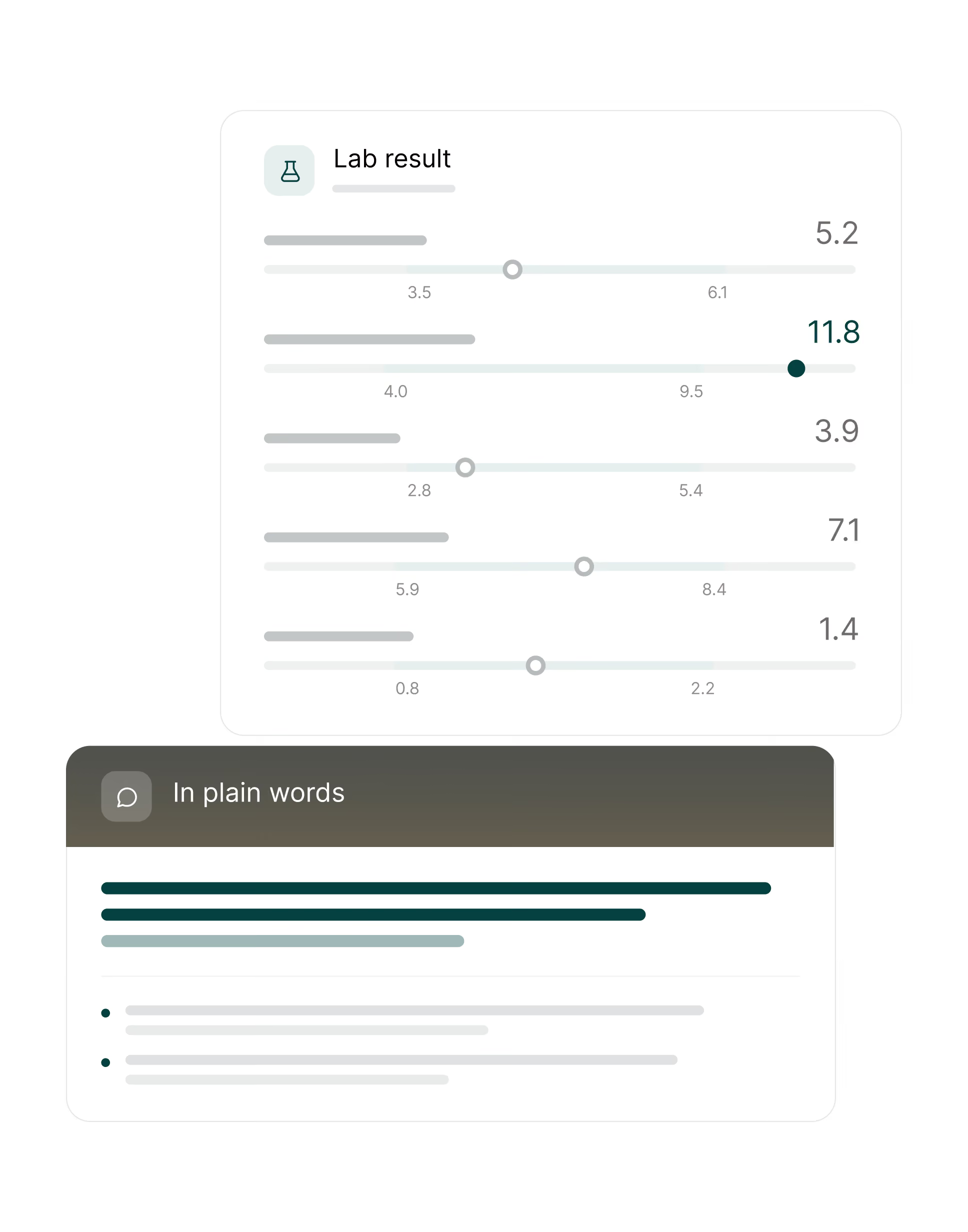
Doctors may use test results to assess liver and kidney function, blood clotting and the severity of the condition. Endoscopy may be used to check for varices, while a liver biopsy is sometimes needed when the diagnosis or cause remains unclear. mama health's guide to bilirubin, INR, sodium and creatinine results explains what those numbers mean in plain words. Results, letters and prescriptions can also be read back in plain language in the mama health app, a free decompensated cirrhosis support app.
What stands behind mama health
Medical oversight, safeguards around your data, and a clear purpose for every anonymized experience shared.
.avif)







Reviewed by our doctors
Our doctors review the medical sources behind every AI answer. Designed for high accuracy from your first chat.

Anonymized for good
Your personal data is encrypted and never shared. We turn it into anonymized insights. All under strict European data standards.

Contributing to research
Partners learn from anonymized patient experiences. That helps push research and better treatments forward.
All conditions we add to mama health go through careful checks.



Frequently asked questions
The report will appear in your inbox shortly✅
If you would like to explore how real-time patient insights can strengthen your commercial strategies, book a chat through the link below.