Ogni giorno con fibrosi polmonare sorge una nuova domanda

Un'app gratuita per tutto Fibrosi polmonare ti offre tutto ciò di cui hai bisogno, basandosi sulla scienza medica e sull'esperienza di altre persone, così non dovrai cavartela da solo.

Un'app per tutto Fibrosi polmonare ti chiede
Risposte personalizzate tra una visita medica e l'altra.




Cosa c'è da sapere sulla fibrosi polmonare
Le nozioni di base su cause, tipi, sintomi, trattamento e diagnosi, redatte sulla base delle linee guida mediche e revisionate dai nostri medici interni. Apri le sezioni che ti interessano.
Cos'è la fibrosi polmonare?
La fibrosi polmonare è la formazione di cicatrici nel tessuto polmonare, in cui il tessuto sano ed elastico viene gradualmente sostituito da tessuto cicatriziale spesso e rigido. I polmoni perdono la capacità di espandersi e di trasferire l’ossigeno nel flusso sanguigno: ecco perché la mancanza di fiato è il sintomo caratteristico. La fibrosi polmonare non è una singola patologia, ma l’esito comune di molte patologie polmonari raggruppate sotto il termine di “malattia polmonare interstiziale” (MPI). La guida di mama health su come si sviluppa la cicatrizzazione polmonare approfondisce l’argomento.
Cosa provoca la fibrosi polmonare?
In molte persone non si individua una causa specifica: in questi casi si parla di fibrosi polmonare idiopatica. In altri casi, invece, la malattia è causata da un fattore scatenante identificabile: una malattia autoimmune o del tessuto connettivo, l’esposizione a lungo termine a polveri, fumi, muffe o proteine degli uccelli, alcuni farmaci, la radioterapia al torace o un grave danno polmonare. Sia il fumo che una storia familiare aumentano il rischio, e sono state identificate specifiche varianti genetiche. La fibrosi a seguito di una grave infezione da COVID colpisce una piccola percentuale di casi, e la guida di mama health sul recupero post-COVID riassume ciò che si sa al momento.
Tipi di fibrosi polmonare
La fibrosi polmonare idiopatica (IPF) è la forma più comune, senza una causa identificabile, e di solito viene diagnosticata dopo i 50 anni.
La fibrosi polmonare progressiva (PPF) è una malattia polmonare interstiziale fibrotica non IPF che continua a peggiorare nonostante il trattamento standard.
La fibrosi polmonare associata alle malattie del tessuto connettivo (CTD-ILD) è una fibrosi causata da una malattia autoimmune, come l’artrite reumatoide o la sclerosi sistemica.
La polmonite da ipersensibilità (HP) è causata dall'inalazione ripetuta di un allergene e può evolvere in fibrosi se l'esposizione continua.
La fibrosi associata alla sarcoidosi è una complicanza tardiva della sarcoidosi.
La fibrosi polmonare indotta da farmaci o da radiazioni insorge in seguito all’assunzione di determinati farmaci o alla radioterapia toracica.
Le pneumoconiosi sono fibrosi professionali causate dalla silice, dall’amianto o dalla polvere di carbone.
Si parla di fibrosi polmonare familiare quando ne sono affetti due o più parenti stretti.
Si parla di ILD non classificabile quando nemmeno un team multidisciplinare riesce a stabilire una diagnosi specifica.
È importante individuare correttamente il tipo di malattia, perché il trattamento varia in modo sostanziale tra la fibrosi polmonare idiopatica (IPF) e le altre forme.
Opzioni terapeutiche
Non esiste una cura per le cicatrici in sé, ma i farmaci antifibrotici rallentano il declino della funzione polmonare, mentre i farmaci immunomodulatori vengono utilizzati per le malattie polmonari interstiziali (ILD) causate da condizioni autoimmuni. L'immunosoppressione di routine non è raccomandata nei casi di IPF stabile, dove può causare danni. La guida ai farmaci per la fibrosi polmonare disponibile su mama health illustra le diverse classi di farmaci.
Le cure di supporto sono importanti tanto quanto i farmaci: riabilitazione polmonare, ossigeno supplementare quando i livelli calano, vaccinazioni e trattamento del reflusso e dell’apnea notturna. Dai un’occhiata alla sezione “Convivere con la fibrosi polmonare giorno per giorno” per consigli su come gestire la giornata e gli appuntamenti, e su cosa mangiare e cosa evitare per il peso e l’appetito.
Il trapianto di polmone può essere preso in considerazione per le persone idonee affette da fibrosi polmonare in stadio avanzato; si raccomanda quindi di rivolgersi tempestivamente a un centro specializzato per una valutazione, piuttosto che aspettare che le condizioni di salute peggiorino notevolmente. L'assistenza è coordinata dai centri specializzati in ILD (malattie polmonari interstiziali); in Svizzera, l'elenco dei centri per la fibrosi polmonare è disponibile alla voce “Centri per la fibrosi polmonare in Svizzera”. Per eventuali domande tra un appuntamento e l’altro, puoi scrivere a mama health, un servizio gratuito di supporto per la fibrosi polmonare.
Chi è a rischio di sviluppare la fibrosi polmonare?
Il rischio aumenta a partire dai 50 anni, negli uomini, e in presenza di un passato di tabagismo o di una storia familiare di fibrosi polmonare. Anche le malattie autoimmuni o del tessuto connettivo, l’esposizione prolungata a polveri, fumi o muffe, una precedente radioterapia al torace e alcuni farmaci contribuiscono ad aumentarlo. Il reflusso gastrico è comune nelle persone con fibrosi polmonare e può contribuire al danno polmonare, come spiegato nell’articolo su GERD e fibrosi polmonare.
Quali sono i sintomi della fibrosi polmonare?
Il primo sintomo è di solito la mancanza di fiato sotto sforzo, che si nota inizialmente salendo le scale o in salita, per poi manifestarsi anche con attività più leggere. All’inizio viene spesso attribuito a qualcos’altro, e l’articolo “Fibrosi polmonare vs BPCO” spiega in che modo le due patologie si differenziano.
La tosse secca persistente è l’altro sintomo classico e spesso quello più fastidioso; ne parliamo nell ’articolo “Tosse persistente: quando andare dal medico”. Anche la stanchezza, oltre alla mancanza di fiato, la perdita di peso e la riduzione dell’appetito sono sintomi comuni, e nell’articolo “Stanchezza e fibrosi polmonare ” spieghiamo il perché.
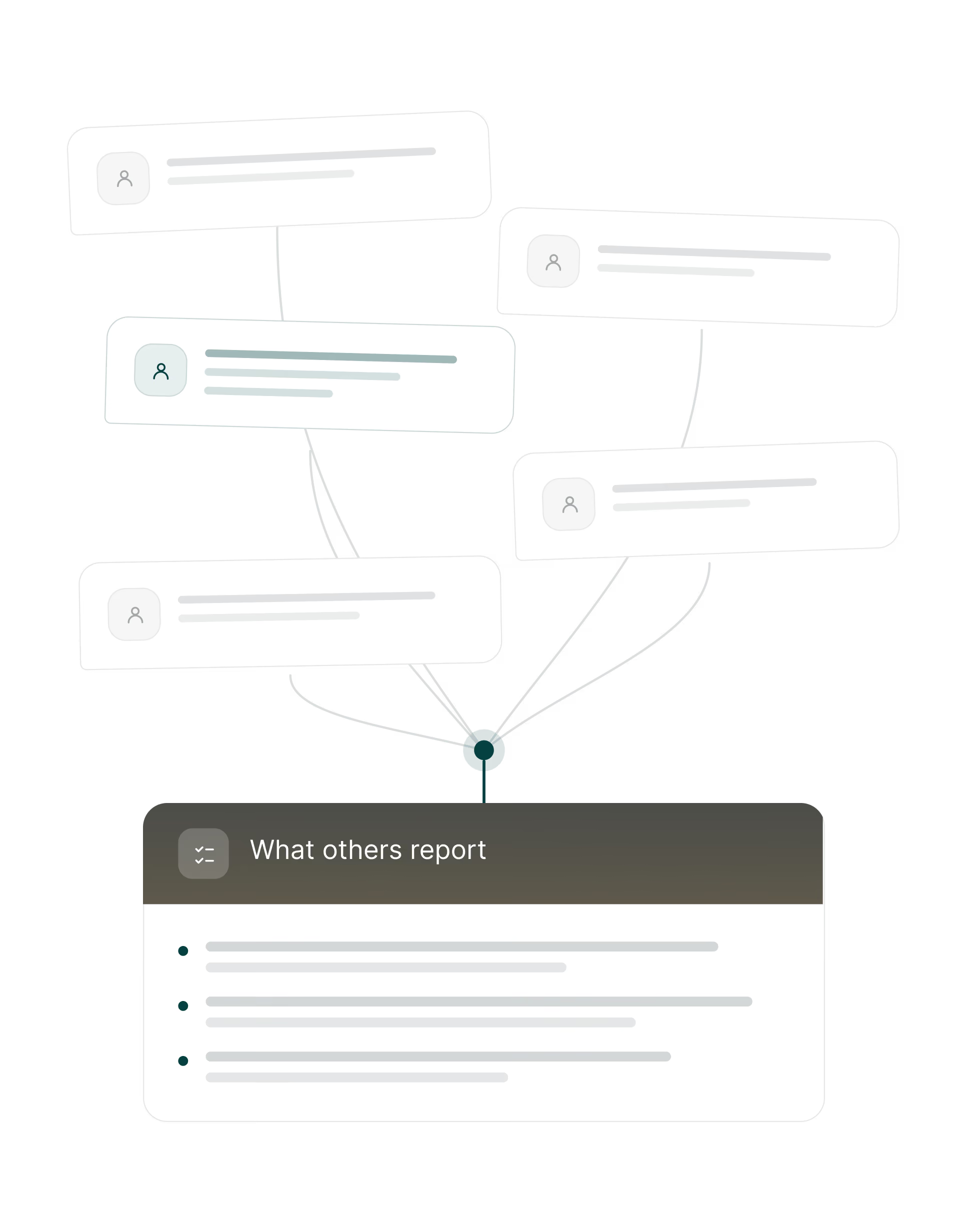
Con il passare del tempo possono comparire le dita a bacchetta, e il medico, auscultando i polmoni, potrebbe sentire dei fini crepitii alla base. Per una panoramica completa dei sintomi, compresi i cambiamenti che si verificano in seguito, dai un’occhiata alla guida completa. Puoi tenere traccia dei cambiamenti settimana per settimana nell’app “ mama health ”, un’app gratuita dedicata alla fibrosi polmonare.
Come si diagnostica la fibrosi polmonare?
La diagnosi prevede un’anamnesi dettagliata delle esposizioni, delle professioni e dei farmaci assunti, insieme a test respiratori, in particolare la FVC e la DLCO, che vengono ripetuti nel tempo. La TAC ad alta risoluzione è l’esame di imaging più importante in assoluto, mentre gli esami del sangue servono a individuare eventuali cause autoimmuni. Il test del cammino di sei minuti misura se i livelli di ossigeno calano durante l’attività fisica, mentre in alcuni casi specifici è necessaria una biopsia polmonare.
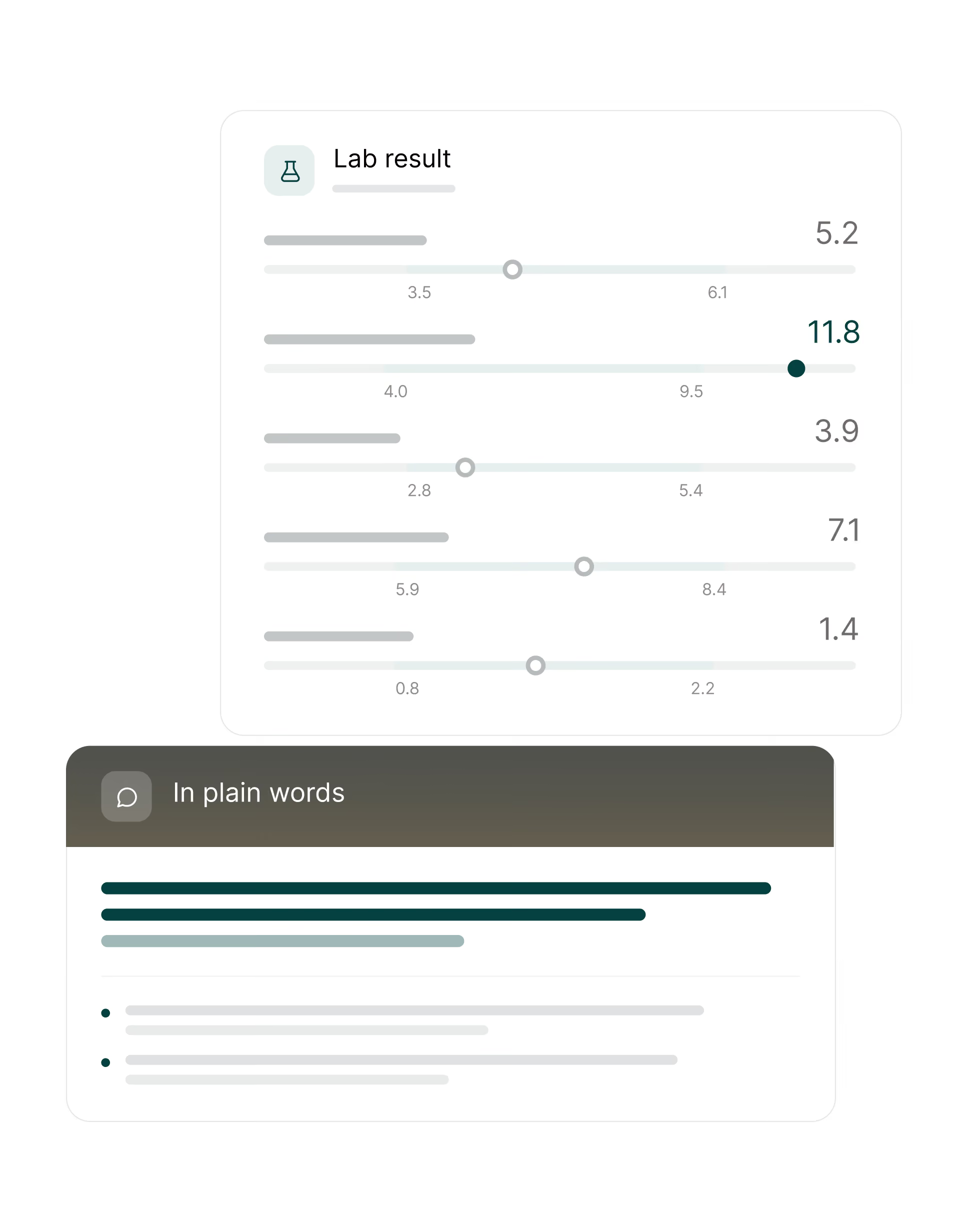
La diagnosi definitiva va fatta da un team multidisciplinare, composto da un pneumologo, un radiologo e un patologo, perché il tipo specifico di malattia determina quale trattamento sia più efficace. L’elenco dei centri specializzati in ILD e fibrosi polmonare in Polonia, disponibile su mama health, indica dove è possibile sottoporsi a una valutazione da parte di un team multidisciplinare. I referti delle TAC e i risultati dei test di funzionalità polmonare (PFT) possono essere letti in un linguaggio semplice nell’app mama health , un’app gratuita di supporto per chi soffre di fibrosi polmonare.
Cosa c'è dietro mama health
Supervisione medica, misure di protezione dei tuoi dati e uno scopo chiaro per ogni esperienza condivisa in forma anonima.
.avif)







Revisionata dai nostri medici
I nostri medici verificano le fonti mediche alla base di ogni risposta fornita dall'IA. Progettato per garantirti un'elevata accuratezza a qualsiasi domanda.

Anonimizzata da subito
I tuoi dati personali vengono crittografati e non vengono mai condivisi. Li trasformiamo in analisi anonime. Il tutto nel rispetto dei rigorosi standard europei in materia di protezione dei dati.

Contribuisce alla ricerca
Aiutiamo le organizzazioni partner a trarre insegnamento dalle esperienze dei pazienti rese anonime. Questo contribuisce a far progredire la ricerca e a sviluppare trattamenti migliori.
Tutte le condizioni che aggiungiamo a mama health sottoposte a controlli accurati.



Domande frequenti
Il report arriverà presto nella tua casella di posta✅
Se vuoi scoprire come le informazioni in tempo reale sui pazienti possono migliorare le tue strategie commerciali, prenota una chiacchierata usando il link qui sotto.