Every day with Hand Eczema raises a new question

A free app for everything Hand Eczema asks of you, grounded in medical science and the experience of others, so you don't have to figure it out alone.

One app for everything Hand Eczema asks of you
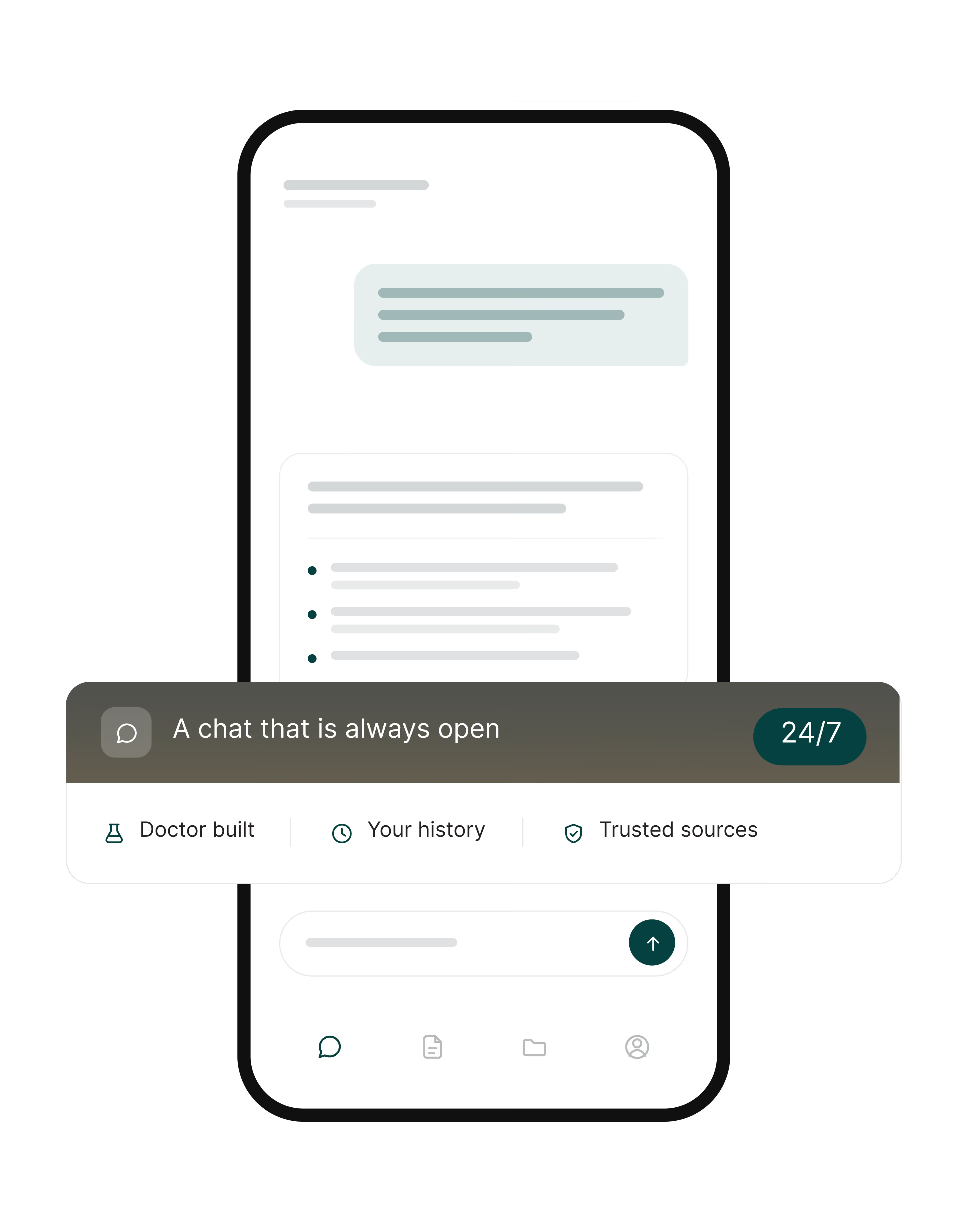
Personalized answers before, after, and in between every appointment.
What to know about Hand Eczema
The basics on causes, types, symptoms, treatment and diagnosis, written from medical guidelines and reviewed by our in-house doctors. Open the parts that apply to you.
What is hand eczema?
Hand eczema, also called hand dermatitis, is an inflammatory skin condition affecting the palms, fingers, backs of the hands or wrists. It can be short-lived, repeatedly flare or become chronic. Hand eczema is not contagious, but it can be painful and interfere with sleep, work and everyday tasks. mama health's guide to living with hand eczema covers what other people have found makes the difference day to day.
What causes hand eczema?
Hand eczema develops when the skin's protective barrier becomes damaged or the immune system reacts to something touching the skin. It often has more than one cause, including repeated irritation, an allergic reaction and an underlying tendency toward atopic eczema. Water, detergents, solvents, friction, heat and cold can all weaken the skin barrier.
Food is a common question, and mama health's guide to diet and eczema covers where the evidence stands. So is whether it spreads, which does eczema spread answers.
Types of hand eczema
Irritant contact dermatitis results from repeated damage caused by water, soap, cleaning products or chemicals.
Allergic contact dermatitis occurs when the immune system reacts to a specific substance, such as nickel, fragrances, preservatives, rubber chemicals or hair dye.
Atopic hand eczema is more common in people with current or previous atopic dermatitis.
Dyshidrotic eczema, also called pompholyx, causes intensely itchy, fluid-filled blisters on the palms or sides of the fingers, covered in pompholyx.
Other patterns include thick, cracked skin on the palms, fingertip and palm eczema and coin-shaped patches. Different types can occur together.
How is hand eczema treated?
Treatment starts with identifying and reducing exposure to irritants or allergens. Regular moisturizers and barrier-repair products help restore the skin barrier, while topical corticosteroids may be prescribed to reduce inflammation during a flare. mama health's guides to the best creams for hand eczema and oatmeal lotion cover what people use and why.
Other topical medicines may be used when corticosteroids are unsuitable or longer-term treatment is needed. Severe or persistent hand eczema may require phototherapy or medicine that works throughout the body. Treatment should be chosen with a healthcare professional, because the right option depends on the cause, location and severity. For cracked skin specifically, see healing cracked hands, and for redness and inflammation, managing erythema. Questions between appointments can be put through mama health, which is free hand eczema support grounded in medical science and the experience of others.
Treatment in children differs, and hand eczema treatment for children covers what parents ask about most.
Gloves and hand protection
Protective gloves can reduce contact with water, chemicals and food, but the correct glove depends on the task and substance involved. Gloves should be clean, dry and replaced if damaged or contaminated. mama health's guide to the best gloves for hand eczema covers the materials and when each is appropriate.
Wearing gloves for long periods can trap sweat and worsen eczema. Cotton liners may help absorb moisture under waterproof gloves. A dermatologist or occupational health professional can help select suitable protection when work exposures are contributing to symptoms.
Hand eczema and work
Hand eczema can make tasks involving washing, gripping, typing, food preparation or chemicals difficult and painful. Symptoms that improve away from work or worsen during particular tasks may suggest occupational hand eczema.
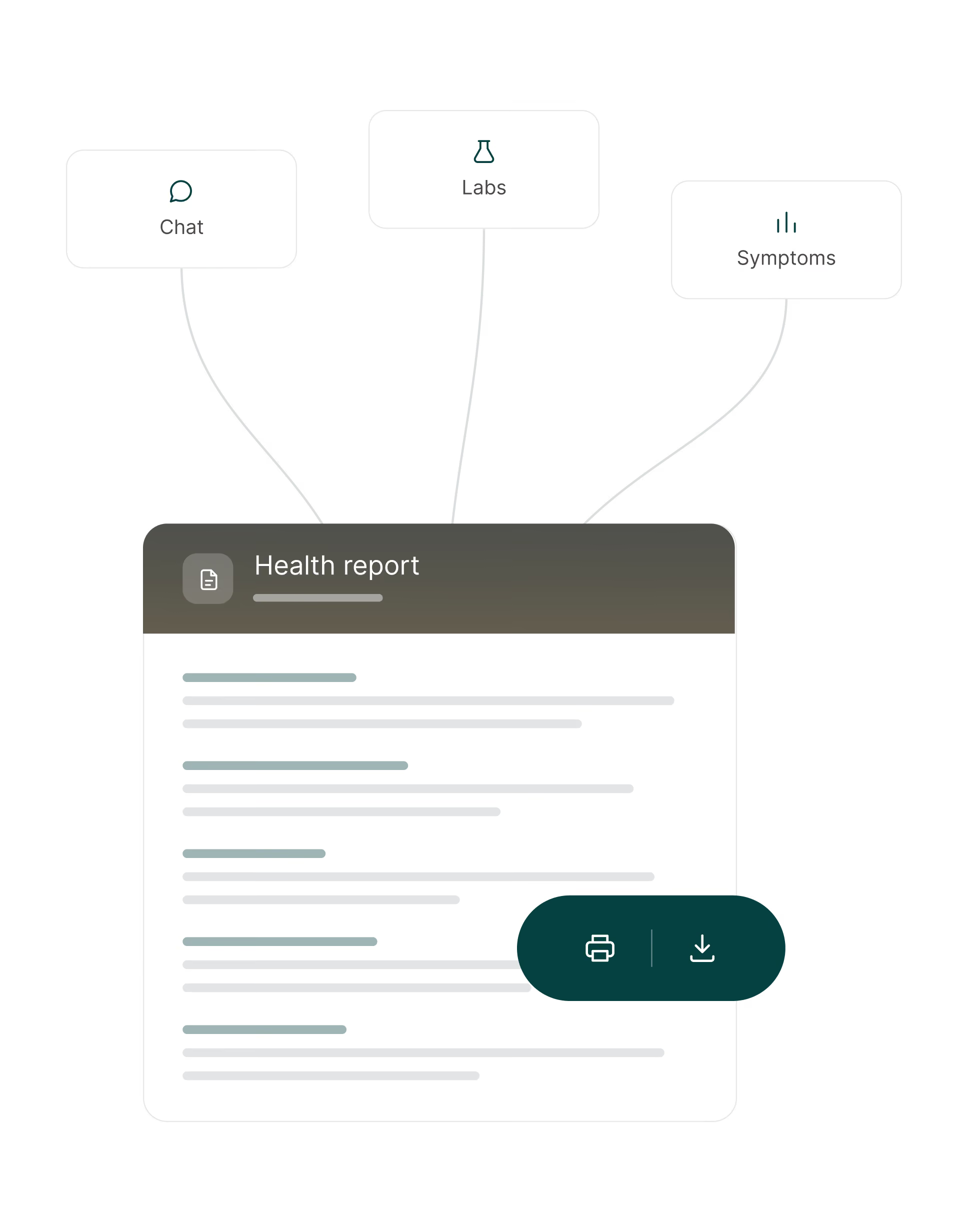
Early assessment can help identify safer products, protective equipment or changes to work practices. Avoiding the cause does not always require leaving a job, but temporary adjustments may be needed while the skin heals. What changes across a working week can be kept in one place in the mama health app, a free hand eczema app built with in-house doctors.
Who is at risk of developing hand eczema?
Anyone can develop hand eczema, but the likelihood is higher in people with a history of atopic dermatitis, asthma, hay fever or sensitive skin. Frequent handwashing, prolonged contact with water and repeated exposure to detergents, chemicals, food or protective gloves also increase the risk.
Hand eczema is especially common in work involving frequent wet hands or irritating substances, including healthcare, cleaning, food preparation, hairdressing, construction and mechanical work. These risk factors do not mean someone will definitely develop the condition.
What are the symptoms of hand eczema?
Symptoms may include dry, rough or scaly skin, itching, burning, tenderness, swelling and changes in skin color. The skin may become red, pink, purple, gray or dark brown depending on skin tone and inflammation. mama health's guides to hand symptom solutions and hand dermatitis care cover the day-to-day management of each.
Some people develop small itchy blisters, weeping areas, crusting or thickened skin. Deep cracks can be painful, bleed and make it difficult to bend the fingers, wash, dress, cook or complete other daily activities.
How is hand eczema diagnosed?
Diagnosis usually involves examining the hands and discussing symptoms, previous skin conditions, work, hobbies and products used at home. Because psoriasis, fungal infections and other conditions can look similar, additional testing may be needed. Rough, bumpy skin is sometimes something else entirely, which keratosis pilaris covers.
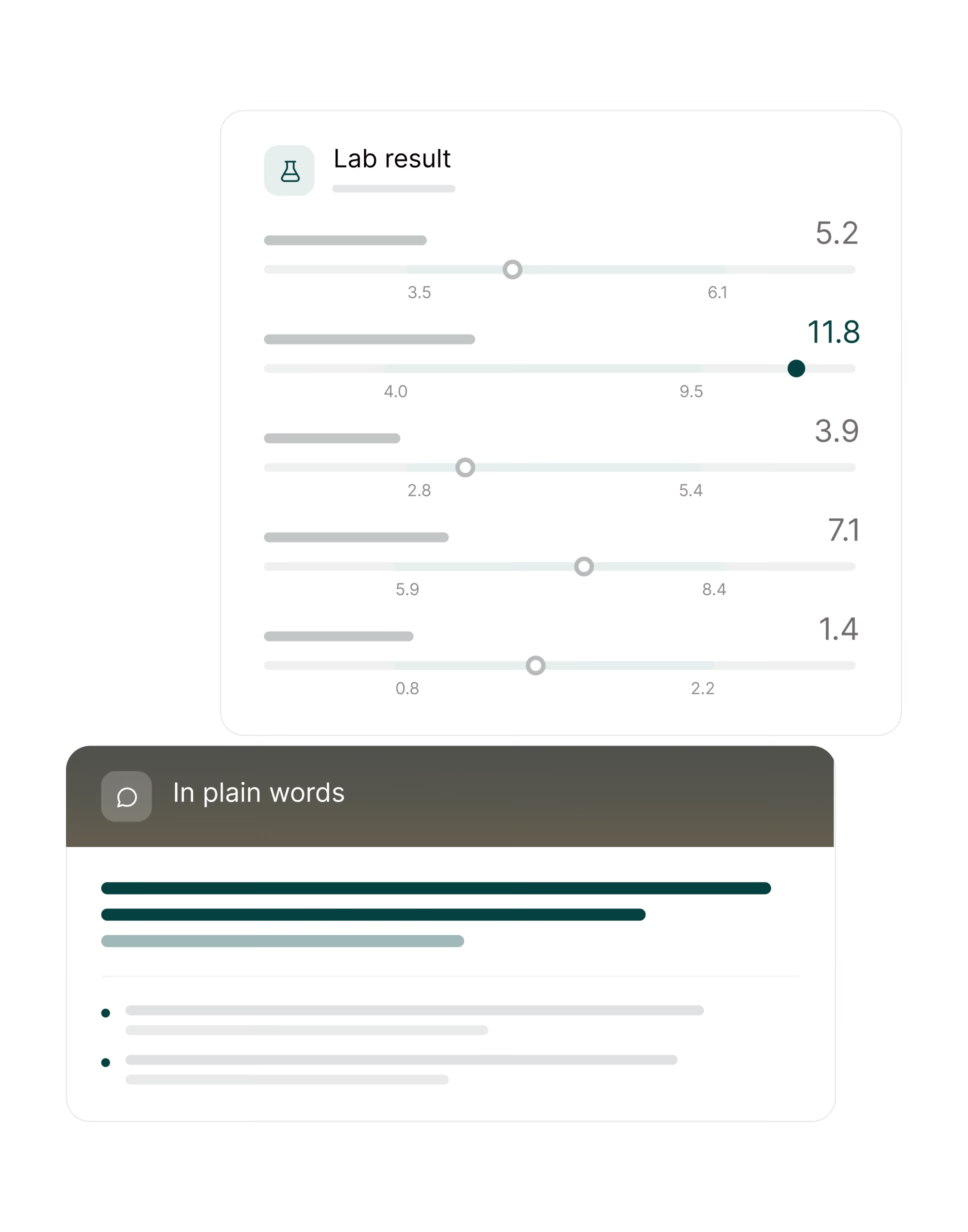
Patch testing may be recommended when allergic contact dermatitis is suspected. Small amounts of common allergens are applied to the skin to identify delayed allergic reactions. Tests for infection or a skin sample may occasionally be required. Results and letters can be read back in plain language in the mama health app, a free hand eczema support app.
What stands behind mama health
Medical oversight, safeguards around your data, and a clear purpose for every anonymized experience shared.
.avif)







Reviewed by our doctors
Our doctors review the medical sources behind every AI answer. Designed for high accuracy from your first chat.

Anonymized for good
Your personal data is encrypted and never shared. We turn it into anonymized insights. All under strict European data standards.

Contributing to research
Partners learn from anonymized patient experiences. That helps push research and better treatments forward.
All conditions we add to mama health go through careful checks.



Frequently asked questions
The report will appear in your inbox shortly✅
If you would like to explore how real-time patient insights can strengthen your commercial strategies, book a chat through the link below.