Every day with Desmoid Tumor raises a new question
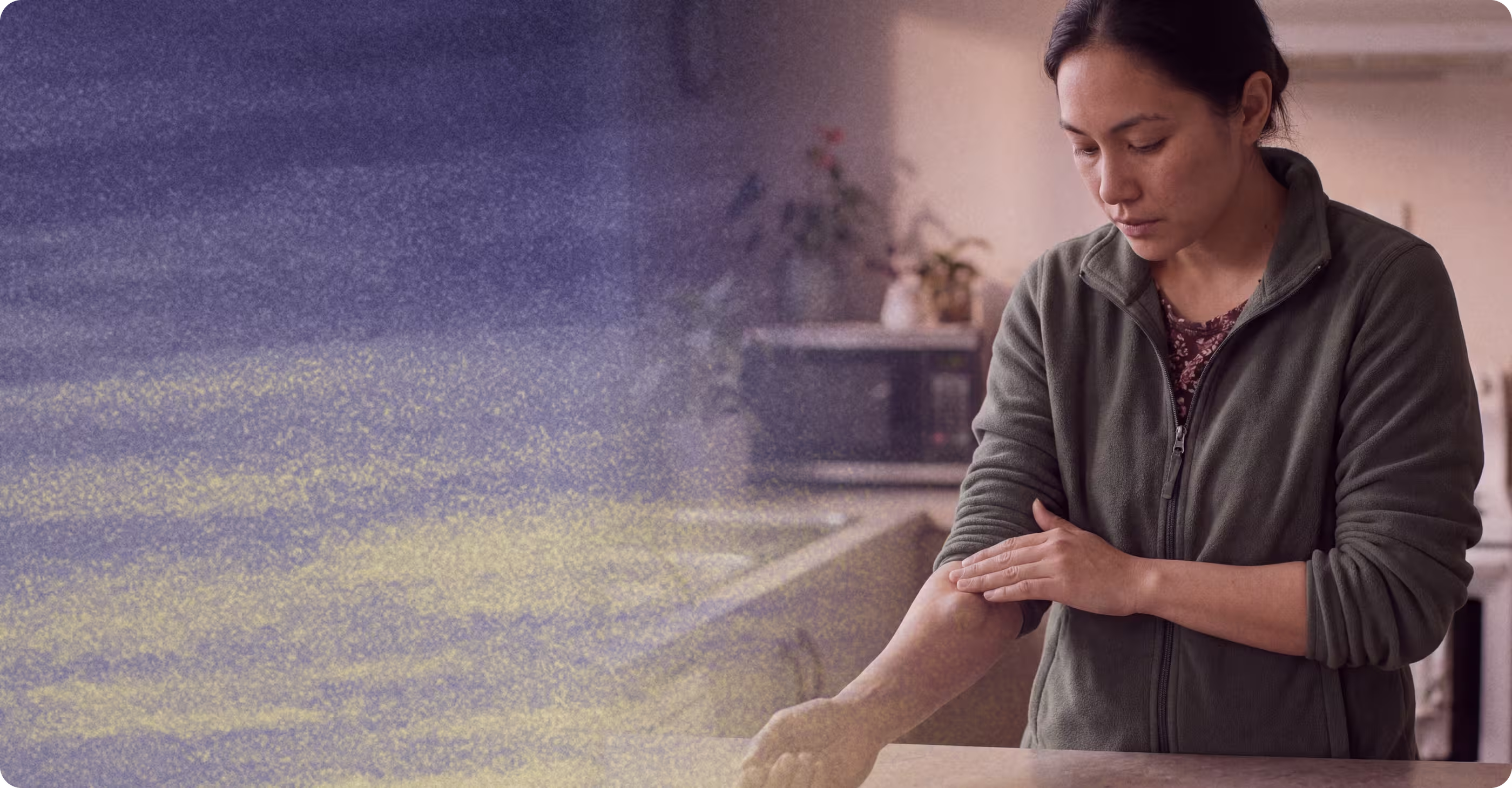
A free app for everything Desmoid Tumor asks of you, grounded in medical science and the experience of others, so you don't have to figure it out alone.

One app for everything Desmoid Tumor asks of you
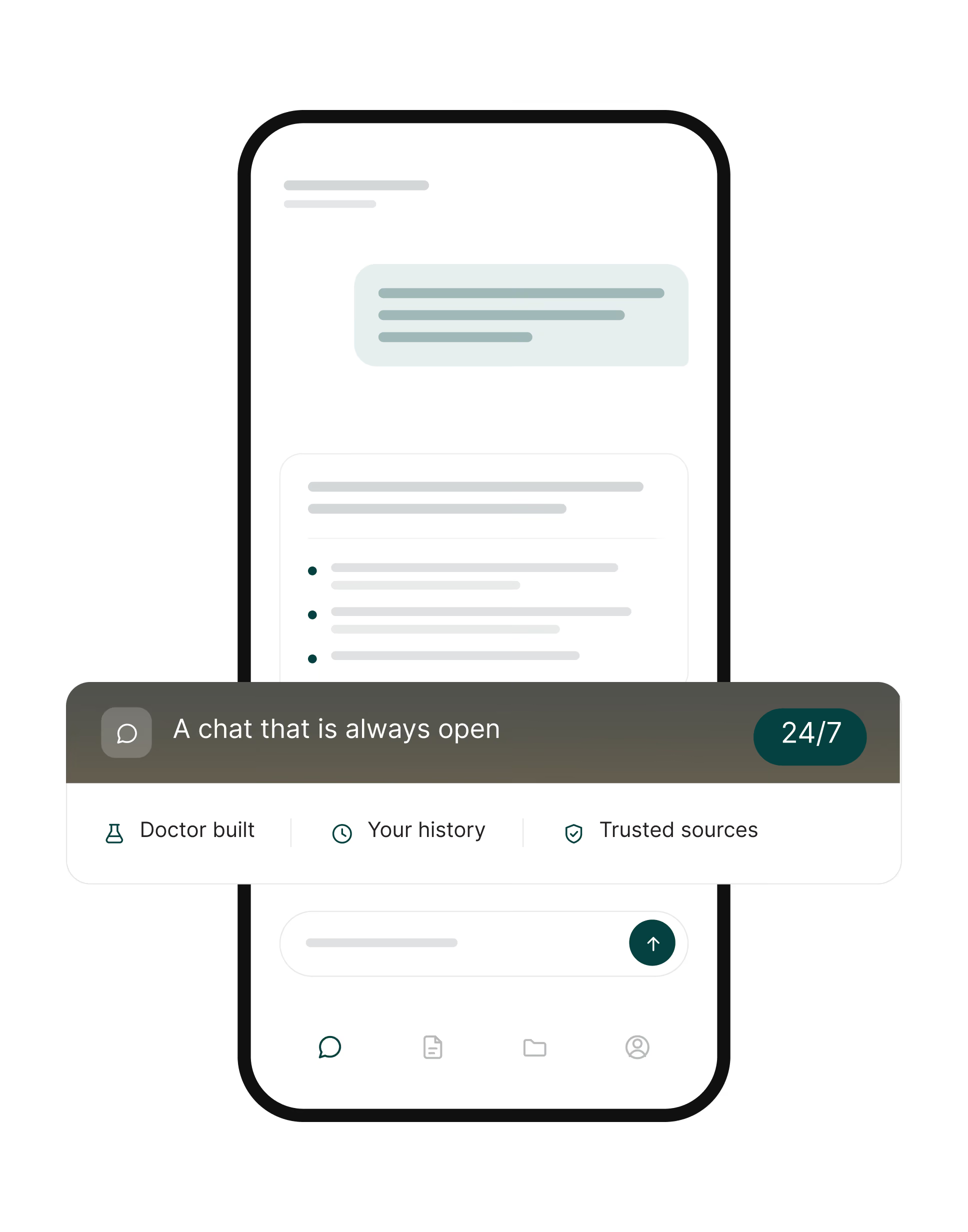
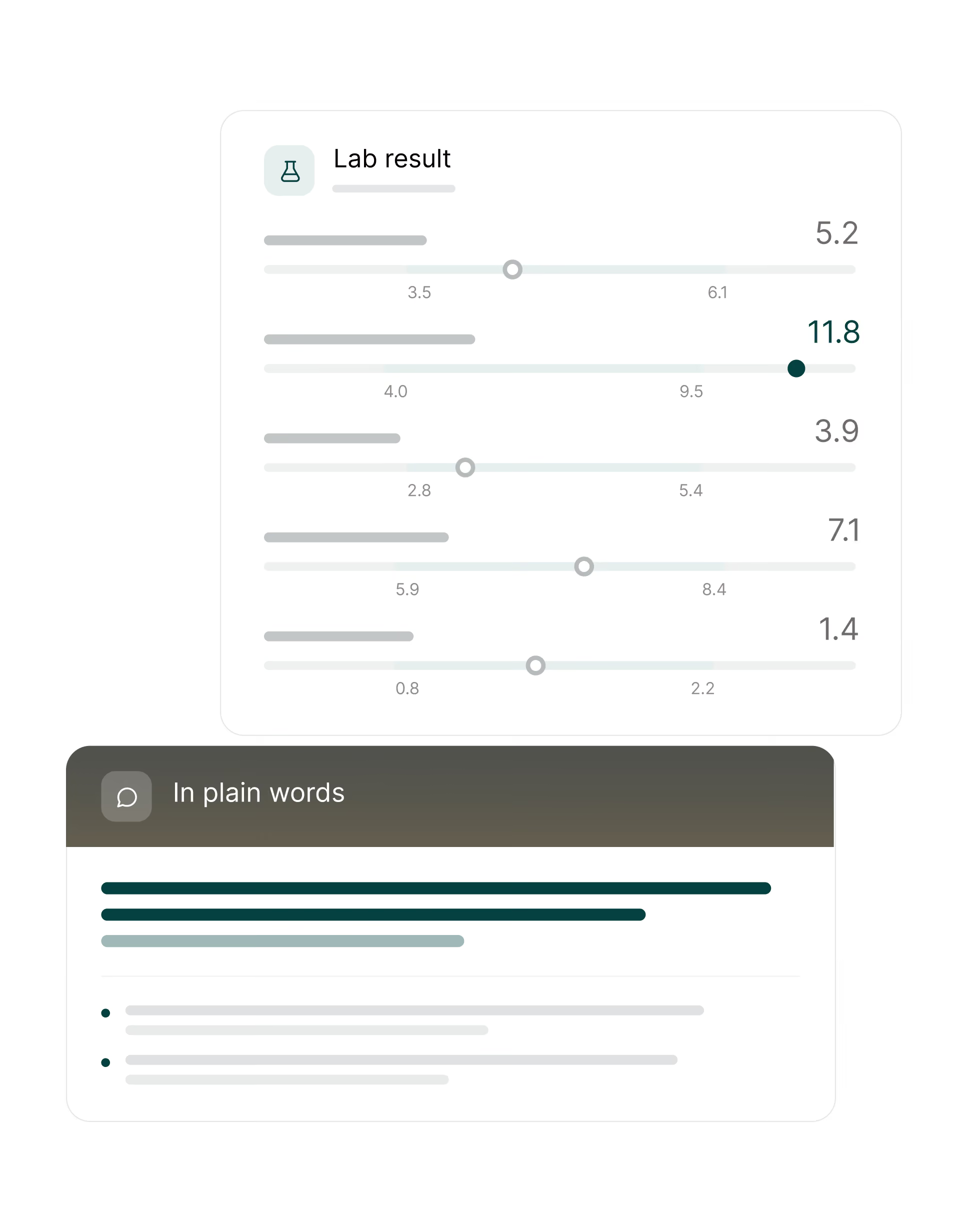
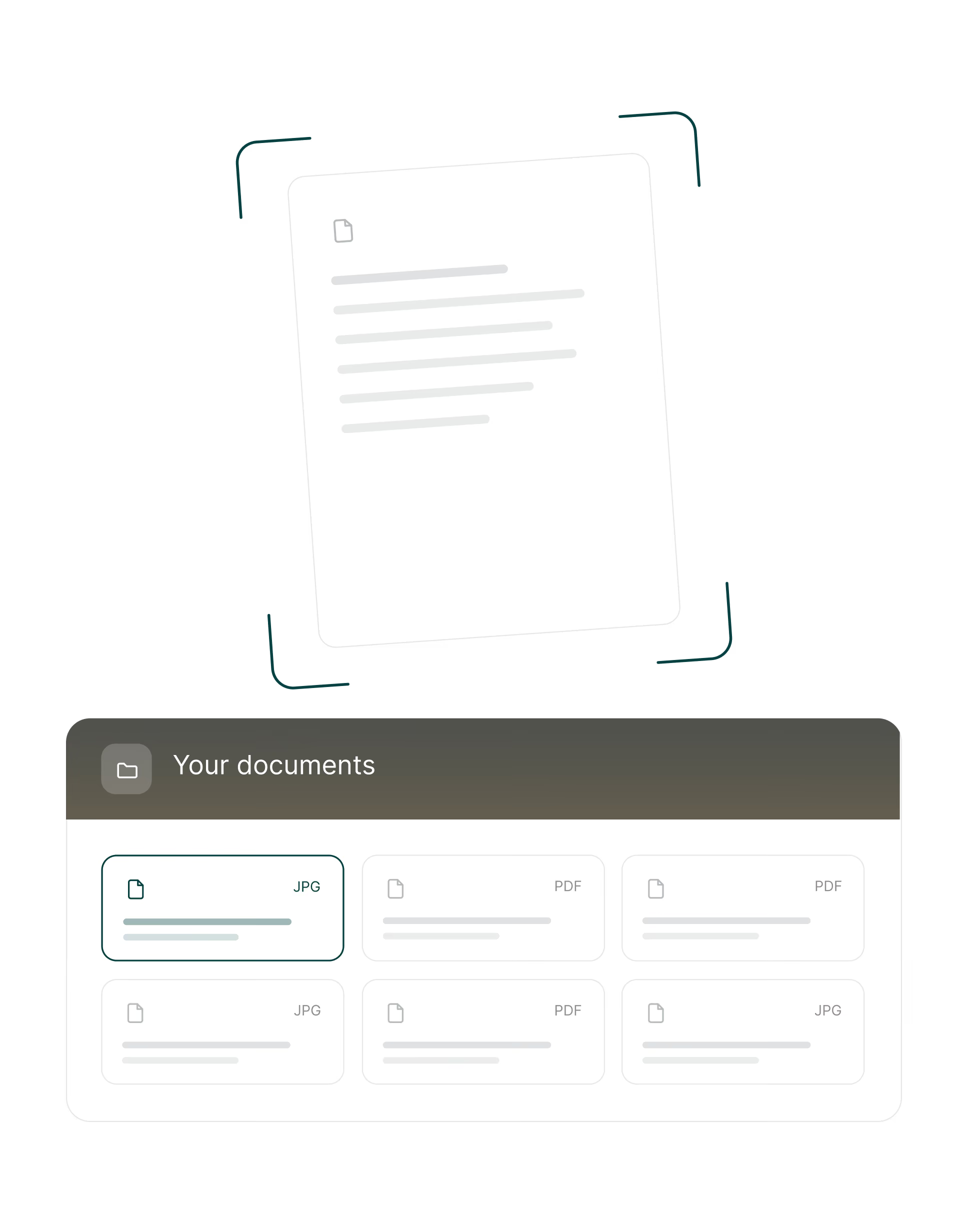
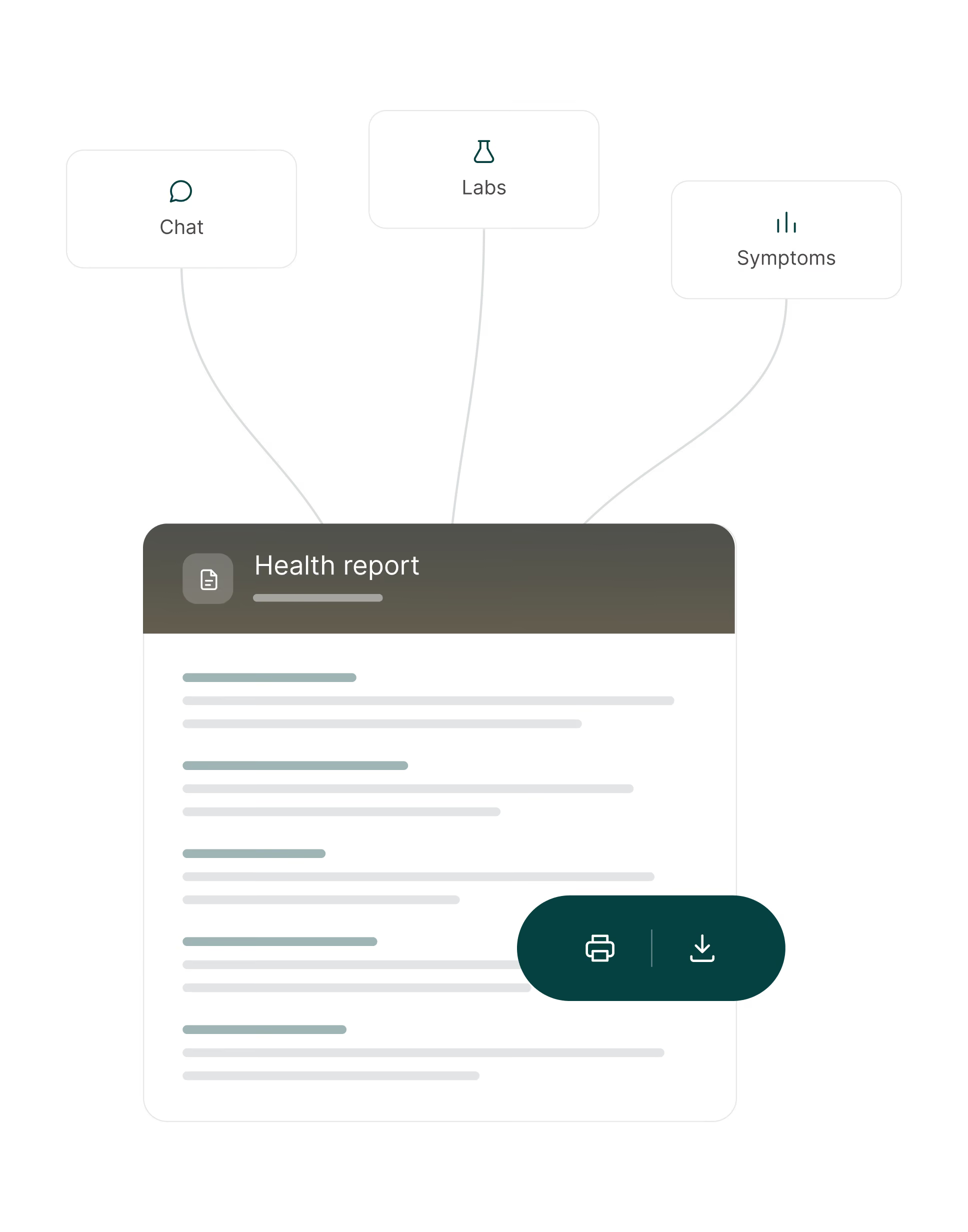
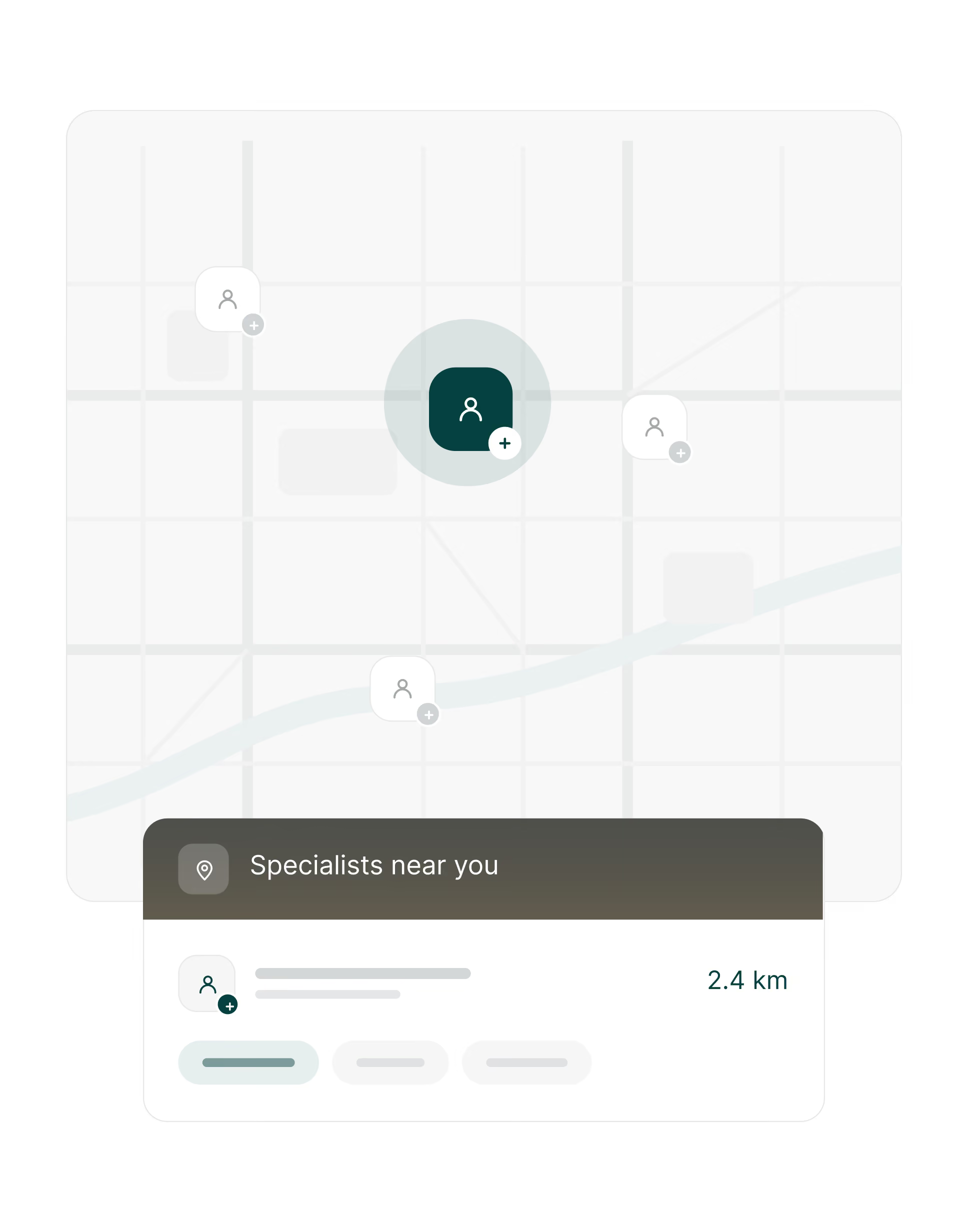
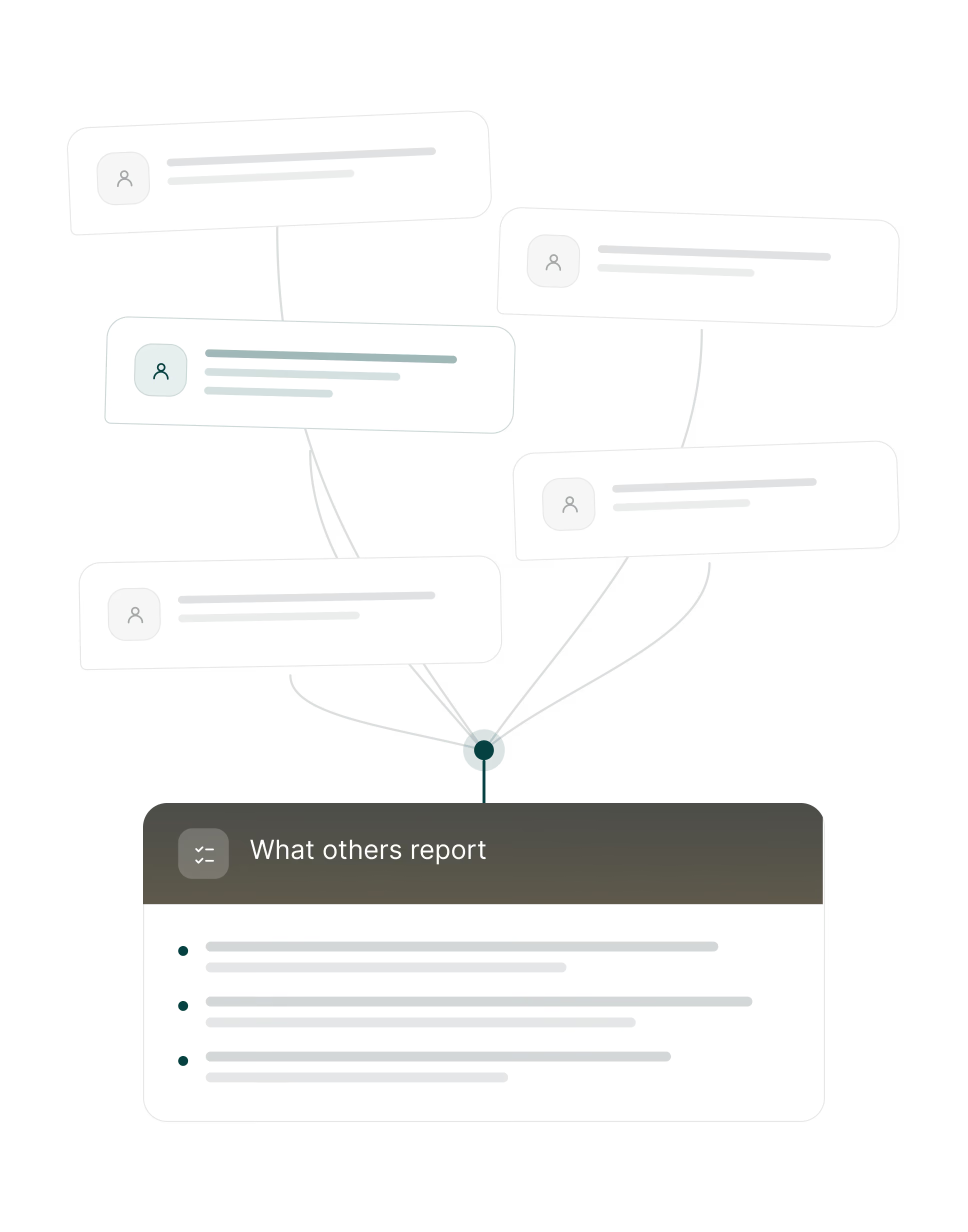
Personalized answers before, after, and in between every appointment.
What to know about Desmoid Tumor
The basics on causes, types, symptoms, treatment and diagnosis, written from medical guidelines and reviewed by our in-house doctors. Open the parts that apply to you.
What is a desmoid tumour?
A desmoid tumour is a rare growth that develops in connective tissue, which supports structures such as muscles and organs. It is also called desmoid-type fibromatosis or aggressive fibromatosis.
Desmoid tumours do not spread to distant parts of the body, but they can grow into nearby tissues and cause pain or other complications.
Is a desmoid tumour cancer?
Desmoid tumours are not cancer, but they can be locally aggressive. This means they may affect nearby muscles, nerves, blood vessels or organs.
Their impact depends on their location and behaviour. Even though they do not spread like cancer, they may require specialist care.
Where can desmoid tumours develop?
Desmoid tumours can occur in different parts of the body. They are often described by their location:
- Abdominal wall: In the muscles and connective tissue of the tummy wall.
- Intra-abdominal: Inside the abdomen, including tissue around the bowel.
- Extra-abdominal: Outside the abdomen, for example in the shoulders, arms or legs.
These terms describe where the tumour is, rather than stages of cancer.
What causes desmoid tumours?
Most desmoid tumours involve changes in a gene called CTNNB1, which helps regulate cell growth. These changes usually develop during a person’s lifetime and are not inherited.
A smaller number are associated with changes in the APC gene and an inherited condition called familial adenomatous polyposis (FAP). There is no evidence that a particular diet or lifestyle causes desmoid tumours.
Are desmoid tumours hereditary?
Most desmoid tumours are not hereditary. However, some occur in people with familial adenomatous polyposis (FAP), which causes numerous bowel polyps and increases colorectal cancer risk.
A desmoid tumour diagnosis does not automatically mean someone has FAP. Specialists may consider family history, tumour findings and other factors when deciding whether further assessment is appropriate.
What symptoms can desmoid tumours cause?
Some cause no symptoms. Others may cause:
- A firm lump or swelling.
- Pain or discomfort.
- Stiffness or restricted movement.
- Abdominal pain, bloating or bowel problems.
Symptoms depend on the tumour’s location and whether it presses on or grows into nearby structures.
How are desmoid tumours diagnosed?
Diagnosis usually involves imaging, such as MRI or CT scans, and a biopsy to examine a tissue sample. Laboratory tests may help distinguish a desmoid tumour from other growths.
Because these tumours are rare, assessment by a team experienced in desmoid tumours or soft-tissue tumours is important.
Do desmoid tumours always grow?
No. Their behaviour can be unpredictable: some grow, some remain stable, and others shrink without treatment.
A tumour’s size is only one consideration. Symptoms, location and effects on nearby structures also matter when specialists assess its impact.
Why is treatment sometimes not started straight away?
For many desmoid tumours, active surveillance is the initial approach. This means specialist assessment and scans without immediate treatment.
Because some tumours remain stable or shrink naturally, this approach can avoid unnecessary treatment and its side effects. Active treatment may be considered when growth, symptoms or risks to nearby structures make it appropriate.
What treatments are used for desmoid tumours?
Options may include targeted medicines, chemotherapy, surgery, radiotherapy or cryoablation, which uses extreme cold to destroy tumour tissue.
The approach depends on symptoms, location, tumour behaviour and the potential effects of treatment. Surgery is not automatically the first choice because it can affect surrounding tissues and the tumour may return afterwards. Treatment availability varies between countries.
Can desmoid tumours come back after treatment?
Yes. Desmoid tumours can return in the same area after treatment, including after surgery. This is called local recurrence.
Recurrence does not mean the tumour has spread to distant organs. Further assessment helps specialists consider its behaviour and the available options.
How can desmoid tumours affect everyday life?
Pain and restricted movement can affect sleep, work and daily activities. Uncertainty about the tumour can also affect emotional wellbeing.
Depending on individual needs, specialist care may include pain management, physiotherapy and psychological support. These concerns matter even when a tumour is stable in size.
When is urgent medical attention needed?
Desmoid tumours inside the abdomen can sometimes cause bowel obstruction. Severe abdominal pain, repeated vomiting, a swollen abdomen or difficulty passing stool and gas require urgent medical assessment.
New or worsening pain, swelling or difficulty moving should also be reported to the healthcare team.
What stands behind mama health
Medical oversight, safeguards around your data, and a clear purpose for every anonymized experience shared.








Reviewed by our doctors
Our doctors review the medical sources behind every AI answer. Designed for high accuracy from your first chat.

Anonymized for good
Your personal data is encrypted and never shared. We turn it into anonymized insights. All under strict European data standards.

Contributing to research
Partners learn from anonymized patient experiences. That helps push research and better treatments forward.
All conditions we add to mama health go through careful checks.



Frequently asked questions
The report will appear in your inbox shortly✅
If you would like to explore how real-time patient insights can strengthen your commercial strategies, book a chat through the link below.