Every day with Stroke raises a new question
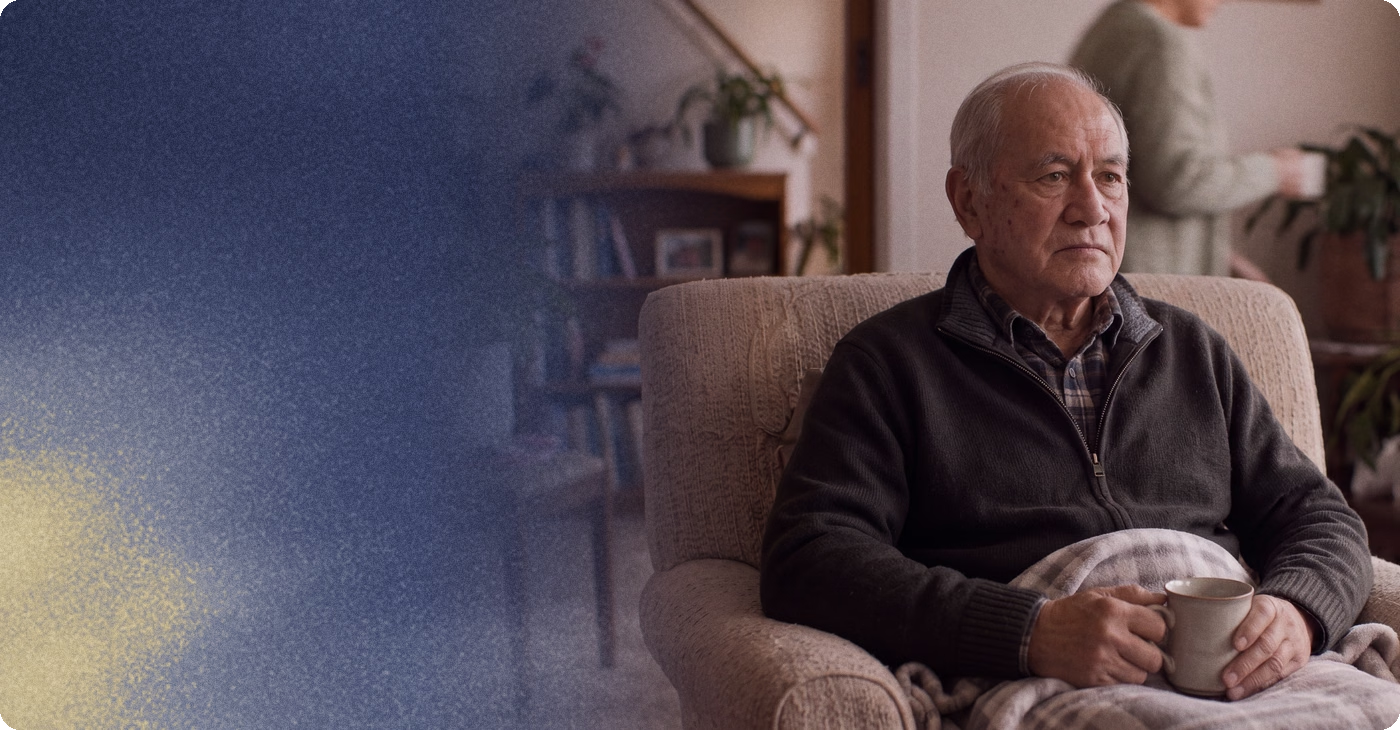
A free app for everything Stroke asks of you, grounded in medical science and the experience of others, so you don't have to figure it out alone.

One app for everything Stroke asks of you
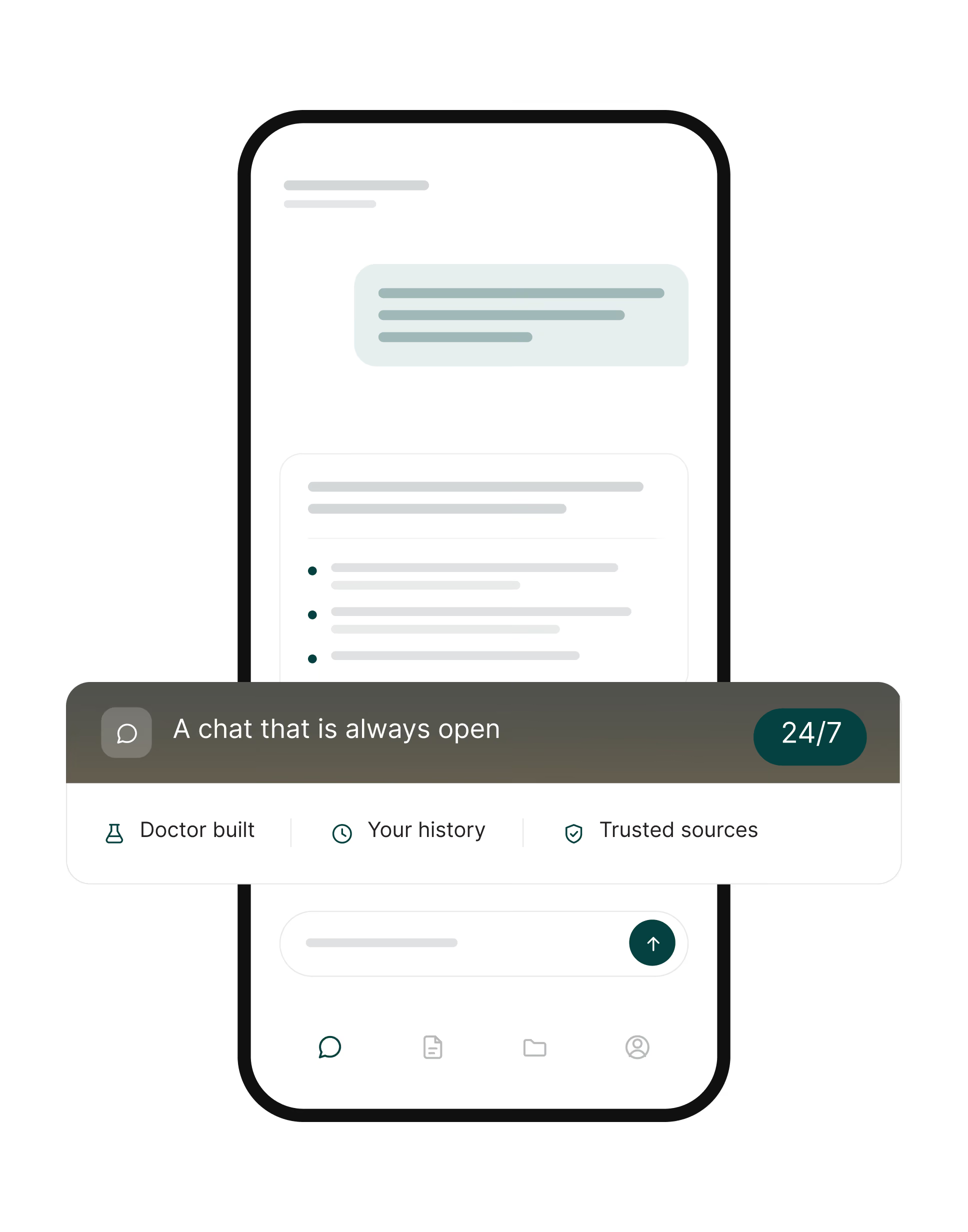
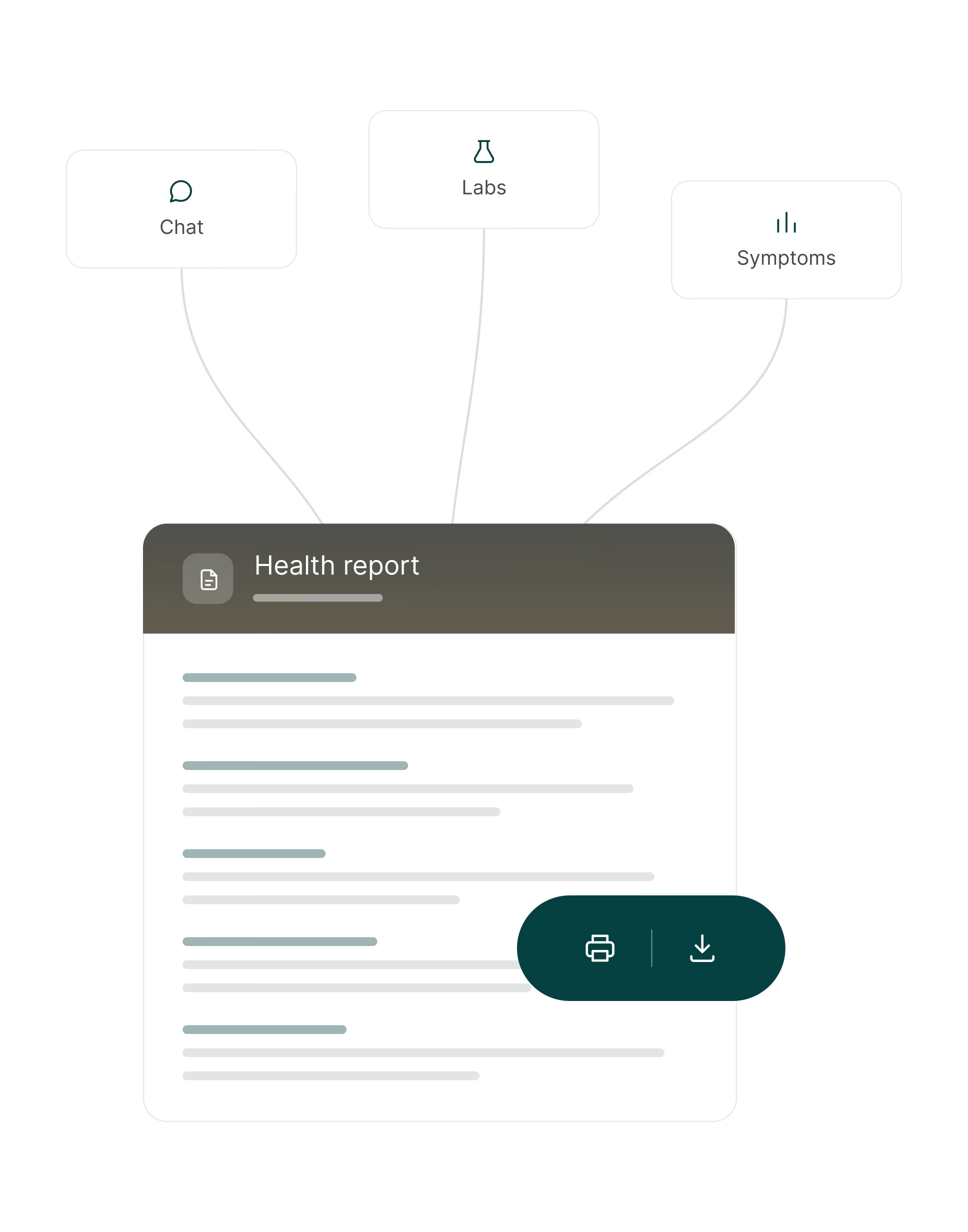
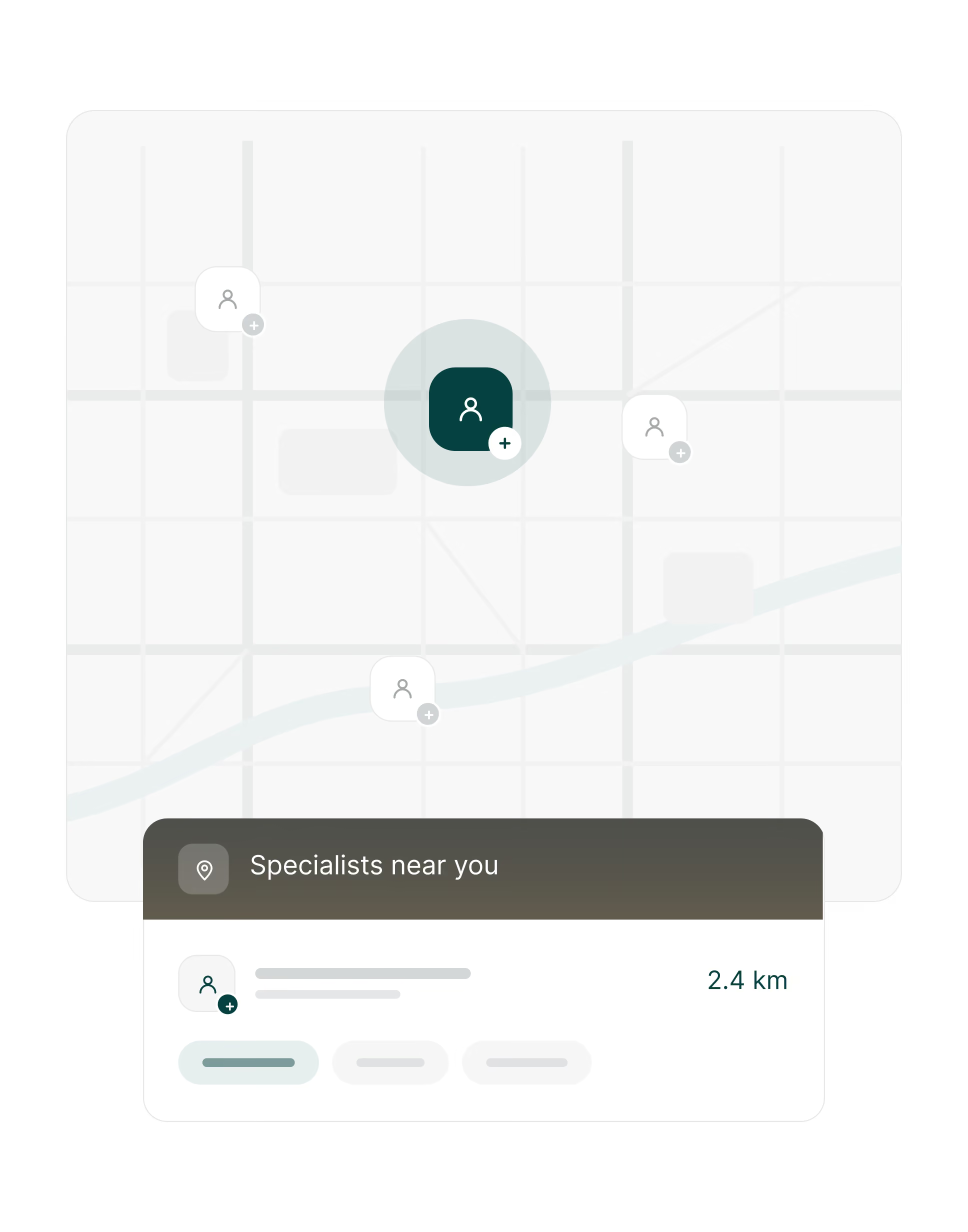
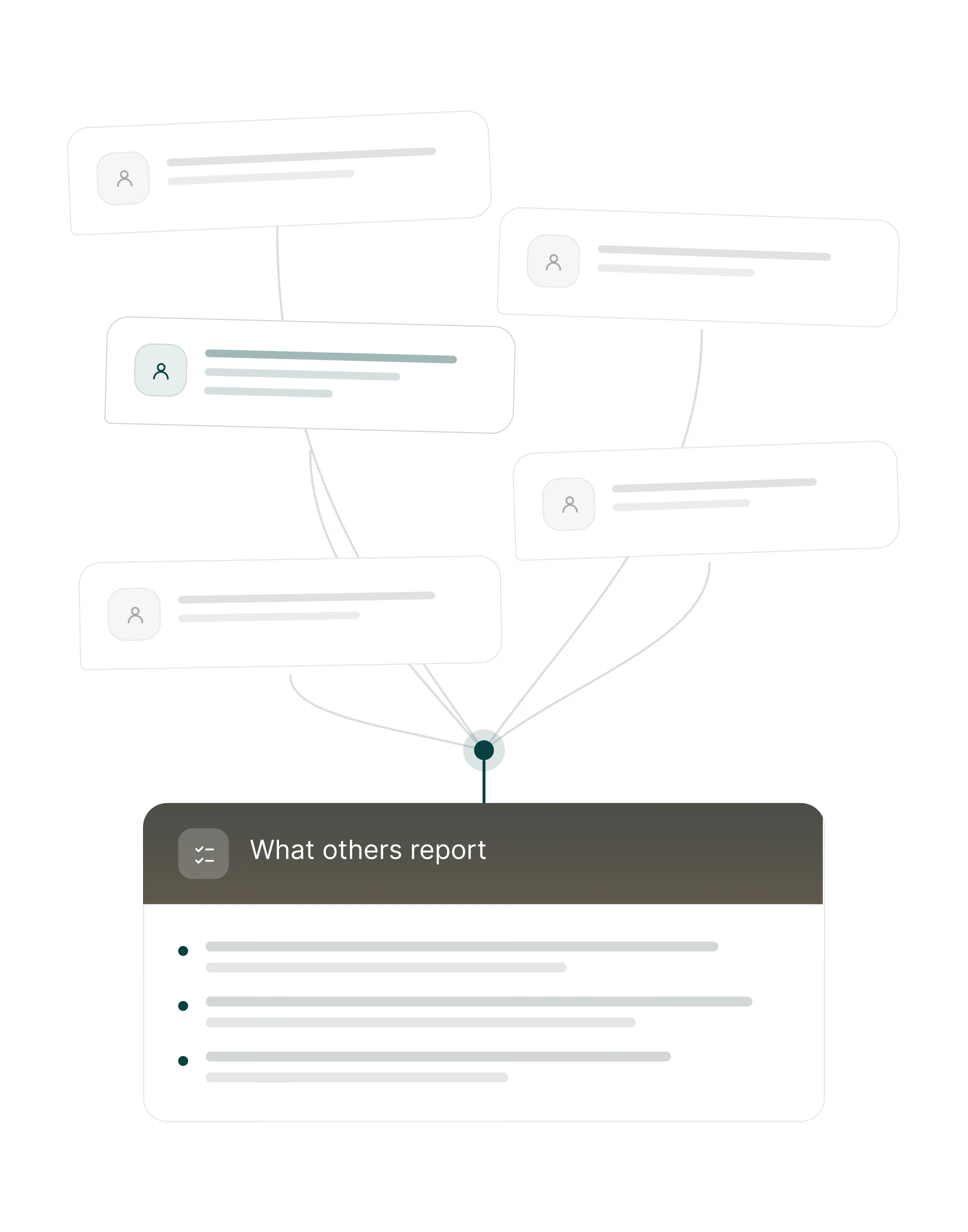
Personalized answers before, after, and in between every appointment.
What to know about Stroke
The basics on causes, types, symptoms, treatment and diagnosis, written from medical guidelines and reviewed by our in-house doctors. Open the parts that apply to you.
What is a stroke?
A stroke happens when blood flow to part of the brain is blocked or when a blood vessel bursts. Either can damage the brain. Getting emergency treatment quickly can help limit the damage.
What are the symptoms of a stroke?
Symptoms usually come on suddenly. Common signs include a drooping face, weakness or numbness on one side of the body, slurred speech, or trouble speaking or understanding others. Sudden changes in vision, loss of balance, or a severe headache with no clear cause can also be signs of a stroke.
Call for an ambulance immediately if you notice any of these symptoms. If you can, note when they started.
What are the types of stroke?
An ischemic stroke happens when a blockage cuts off blood flow to part of the brain. A hemorrhagic stroke happens when a blood vessel bursts and causes bleeding in or around the brain. Knowing which type you had helps your healthcare team decide how to treat it and how to lower your risk of another stroke.
What is a TIA, and what if my symptoms went away?
A transient ischemic attack (TIA) happens when blood flow to part of the brain is temporarily blocked. It causes the same symptoms as a stroke and can be a warning sign of a future stroke. Call your local emergency number immediately, even if you feel back to normal.
Who is at risk of having a stroke?
Anyone can have a stroke, though the risk increases with age. High blood pressure is a major risk factor. Atrial fibrillation (a type of irregular heartbeat), diabetes, high cholesterol, smoking, family history, and a previous stroke or TIA can also raise your risk.
How can I lower my risk of a first or another stroke?
Managing blood pressure, cholesterol, and diabetes can help lower your risk. Staying active in ways that suit your abilities and getting support to quit smoking, if you smoke, can also help.
If you’ve already had a stroke or TIA, your prevention plan will depend on what caused it. Keep your follow-up appointments and speak with your healthcare team before changing or stopping prescribed medication.
How long does it take to recover from a stroke?
Recovery looks different for everyone. Some people notice improvements within days or weeks, while others continue making progress over months or years. Your rehabilitation team can help you set goals around what matters to you, whether that’s getting dressed independently, walking around your home, or joining in conversations again.
Why am I so tired after a stroke?
Fatigue can be part of stroke recovery, and everyday tasks may take more effort than they used to. You may also notice changes in your mood, memory, or concentration. If these changes are affecting daily life, tell your healthcare team so they can help you understand what’s contributing and what support may help.
What can stroke rehabilitation help with?
Physical therapy can help with movement and balance. Occupational therapy can help you practice everyday tasks or find new ways to do them. Speech and language therapy can help with speaking, understanding language, or swallowing. Your team can tailor your rehabilitation to the activities you want or need to get back to.
When can I get back to work, driving, or exercise?
The timing depends on how the stroke affected you and what each activity requires. Your rehabilitation team can help you plan a gradual return to work or find ways to be active safely. Before driving again, ask your healthcare team whether you need an assessment and check the rules where you live.
What stands behind mama health
Medical oversight, safeguards around your data, and a clear purpose for every anonymized experience shared.








Reviewed by our doctors
Our doctors review the medical sources behind every AI answer. Designed for high accuracy from your first chat.

Anonymized for good
Your personal data is encrypted and never shared. We turn it into anonymized insights. All under strict European data standards.

Contributing to research
Partners learn from anonymized patient experiences. That helps push research and better treatments forward.
All conditions we add to mama health go through careful checks.



Frequently asked questions
The report will appear in your inbox shortly✅
If you would like to explore how real-time patient insights can strengthen your commercial strategies, book a chat through the link below.