Every day with Endometriosis raises a new question
.avif)
A free app for everything Endometriosis asks of you, grounded in medical science and the experience of others, so you don't have to figure it out alone.

One app for everything Endometriosis asks of you
Personalized answers before, after, and in between every appointment.
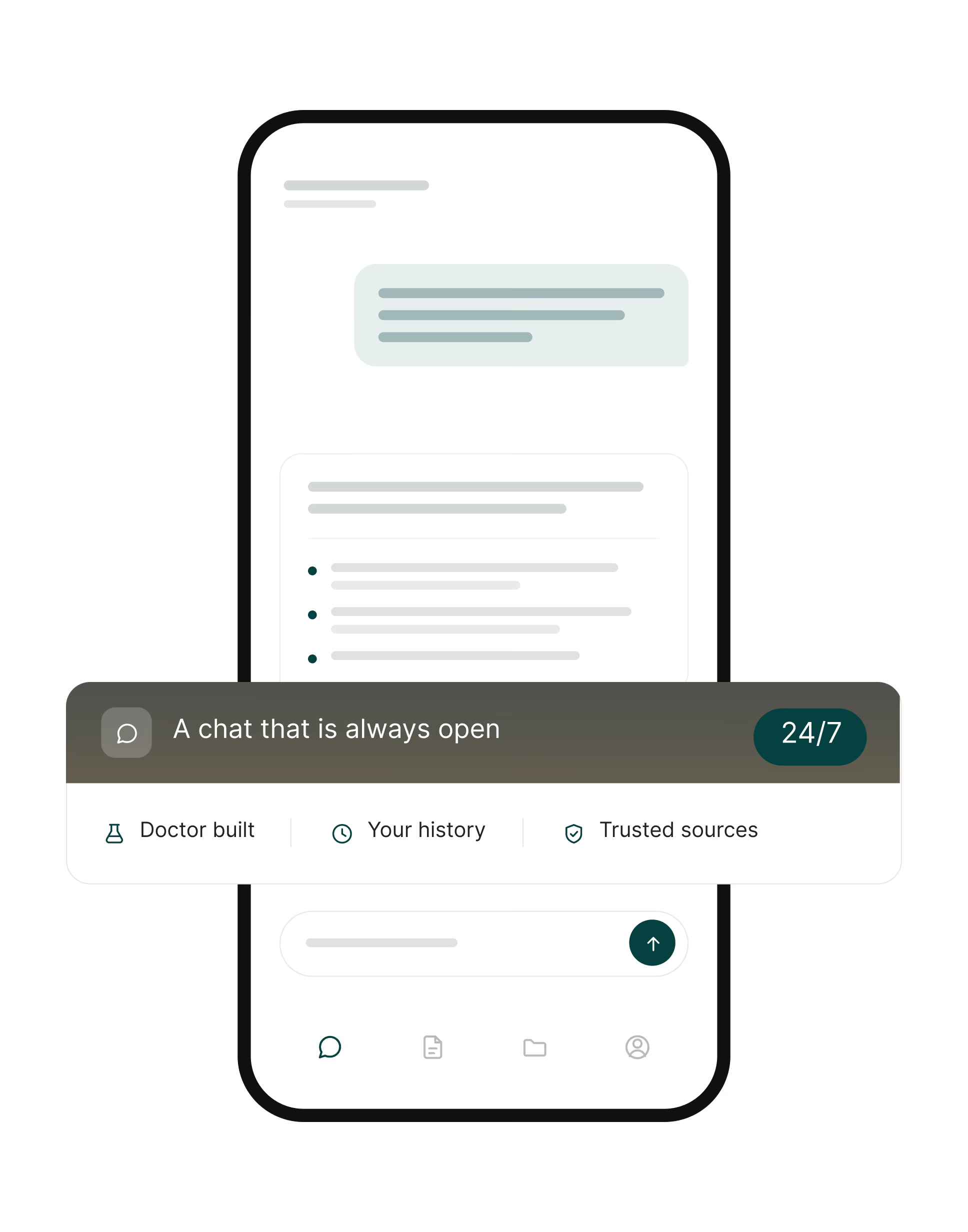

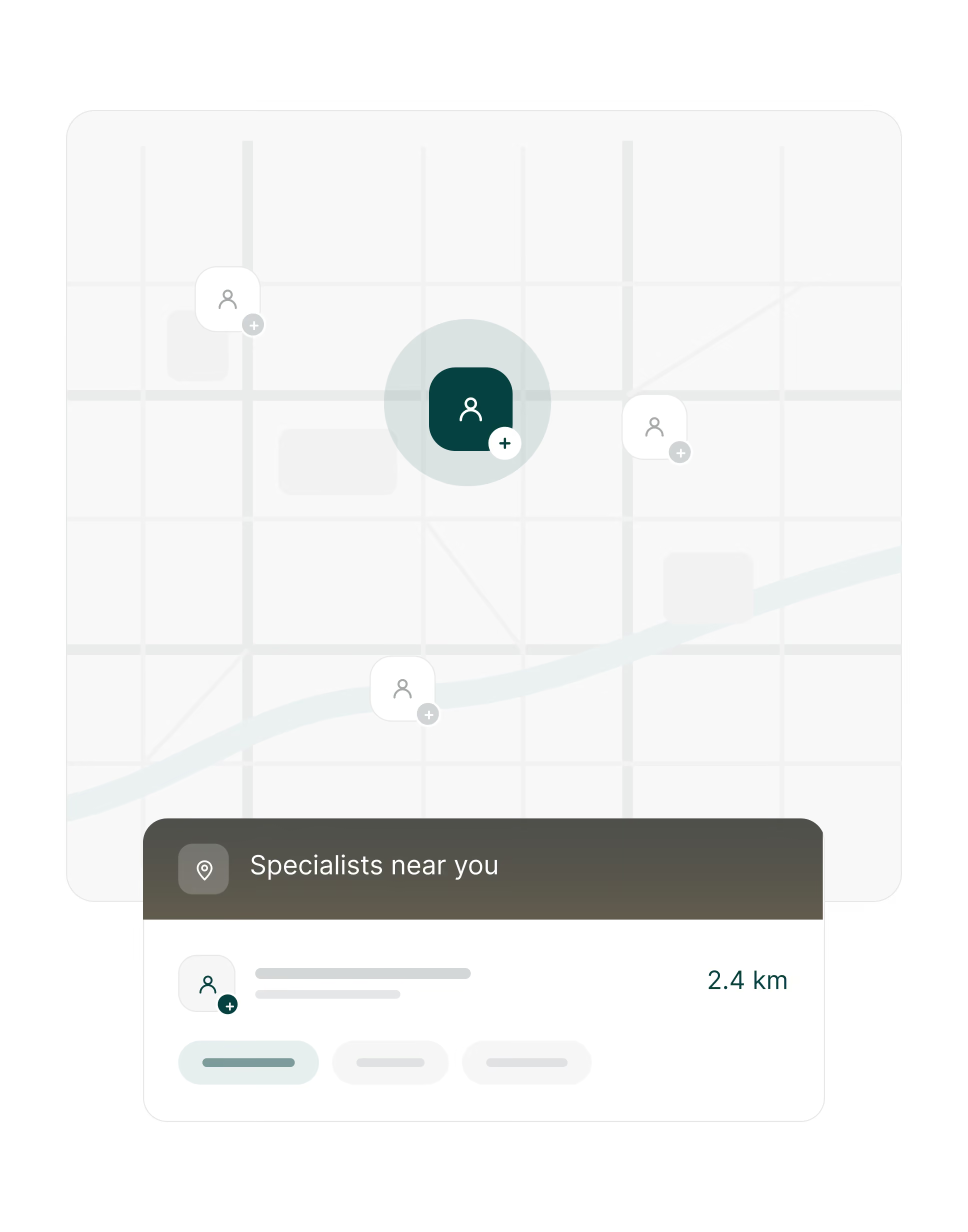
What to know about Endometriosis
The basics on causes, types, symptoms, treatment and diagnosis, written from medical guidelines and reviewed by our in-house doctors. Open the parts that apply to you.
What to know about Endometriosis
The basics on causes, types, symptoms, treatment and diagnosis, written from medical guidelines and reviewed by our in-house doctors. Open the parts that apply to you, or start with free endometriosis support in the mama health app.
What is endometriosis?
Endometriosis is a chronic inflammatory condition in which tissue similar to the lining of the uterus grows outside the uterine cavity. Lesions most often occur on the ovaries, fallopian tubes, pelvic lining and tissues behind the uterus, but can occasionally involve the bowel, bladder, diaphragm or other sites.
It can cause pain, infertility, organ-specific symptoms and a major reduction in quality of life. The severity of symptoms does not always match the amount or location of visible endometriosis, which is why staging can be confusing. mama health's guide to endometriosis stages explains what the stages measure and what they do not.
What causes endometriosis?
The cause is not fully understood. Proposed mechanisms include retrograde menstruation, altered immune responses, transformation of local cells, stem-cell activity, genetic susceptibility, and spread through blood or lymphatic pathways.
Estrogen supports lesion activity and inflammation. Family history increases risk, and mama health's guide to whether endometriosis is hereditary covers what is known about that. Endometriosis is not caused by personal behavior, and it can occur in adolescents as well as adults.
Treatment options
Treatment is individualized according to symptoms, fertility goals, lesion location, previous treatment and personal preference. Options include pain-relieving medicines, combined hormonal contraception, progestin therapy, and medicines that suppress ovarian hormone production. mama health's guide to endometriosis treatment options covers each.
Surgery may remove lesions, release scar tissue and treat ovarian endometriomas or organ involvement, and laparoscopy for endometriosis covers what the operation involves. Scar tissue is its own issue, covered in adhesions. Multidisciplinary pain care, pelvic-floor physiotherapy, fertility treatment and psychological support may also matter, particularly when pain persists after lesion treatment. Questions between appointments can be put through mama health, which is free endometriosis support grounded in medical science and the experience of others.
Living with endometriosis
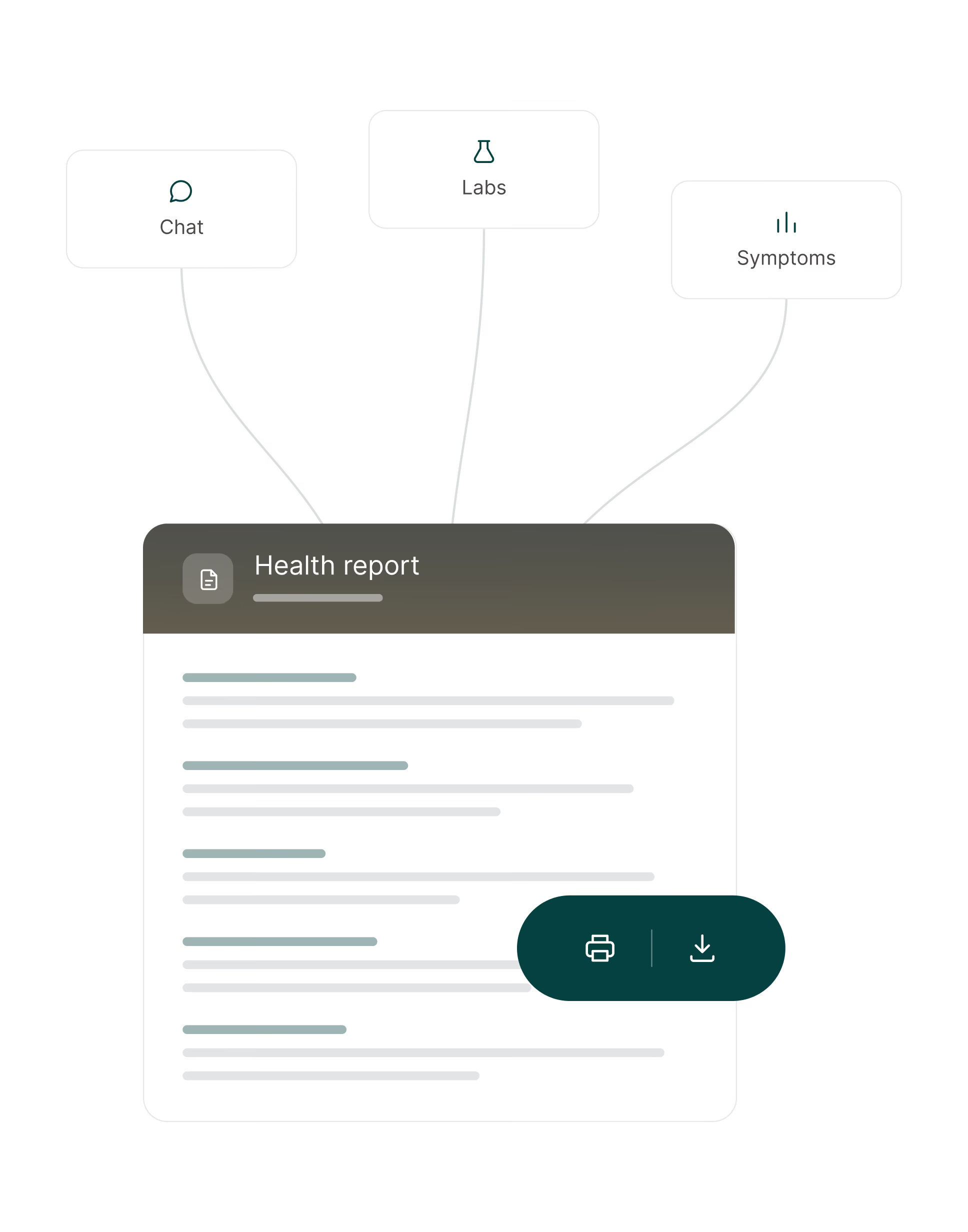
A record of pain, bleeding, bowel or bladder symptoms, medication effects and cycle patterns helps guide treatment, and it can be kept in one place in the mama health app, a free endometriosis app built with in-house doctors.
Heat, adapted exercise, sleep support, pelvic-floor therapy and workplace or school accommodations may reduce the impact of flares. Bloating is one of the most common daily complaints, covered in reducing endo belly bloating, and food comes up constantly, covered in endometriosis and diet. Study and work are affected more than most people expect, and endometriosis at university is one person's account of that.
People seeking pregnancy benefit from discussing timing and fertility options early, especially with ovarian endometriomas, previous ovarian surgery, older reproductive age or prolonged infertility. Treatment plans may need to balance pain control against fertility goals.
When to seek emergency care
Seek urgent care for sudden severe pelvic or abdominal pain, fainting, heavy bleeding with weakness, fever with worsening pain, persistent vomiting, inability to pass urine or stool, or pain with a positive pregnancy test. These symptoms may indicate ovarian torsion, ectopic pregnancy, infection, obstruction or another emergency.
Does endometriosis come back?
Endometriosis is a long-term condition, and symptoms may return after medication is stopped or following surgery. Many people reach meaningful pain control and improved function through a combination of medical, surgical, fertility and supportive care, and treatment is usually reviewed over time rather than settled once.
Who is at risk of developing endometriosis?
Risk is higher with a close family history of endometriosis, early onset of menstruation, short menstrual cycles, heavy or prolonged bleeding, and conditions that obstruct menstrual flow.
Complications can include chronic pelvic pain, painful intercourse, bowel or bladder symptoms, infertility, ovarian endometriomas, adhesions, reduced quality of life and repeated surgery. Bowel symptoms overlap closely with inflammatory bowel disease, which is one reason endometriosis is often mistaken for something else.
What are the symptoms of endometriosis?
Symptoms include severe menstrual pain, chronic pelvic pain, pain during or after sex, painful bowel movements or urination, often worsening around menstruation, heavy or irregular bleeding, abdominal bloating, fatigue, lower back pain, and difficulty becoming pregnant.
Some people have minimal symptoms despite extensive endometriosis, while others have severe pain with limited visible lesions. Fatigue in particular is often dismissed, and mama health's guide to fatigue that isn't ordinary tiredness covers why it happens with inflammatory conditions.
How is endometriosis diagnosed?
Diagnosis is based on a detailed history of pain timing, bleeding, bowel and bladder symptoms, sexual pain, fertility and previous treatment, alongside pelvic examination and imaging such as transvaginal ultrasound or MRI. Examination may identify tenderness, reduced organ mobility, nodules or an ovarian mass, but can also be entirely normal.
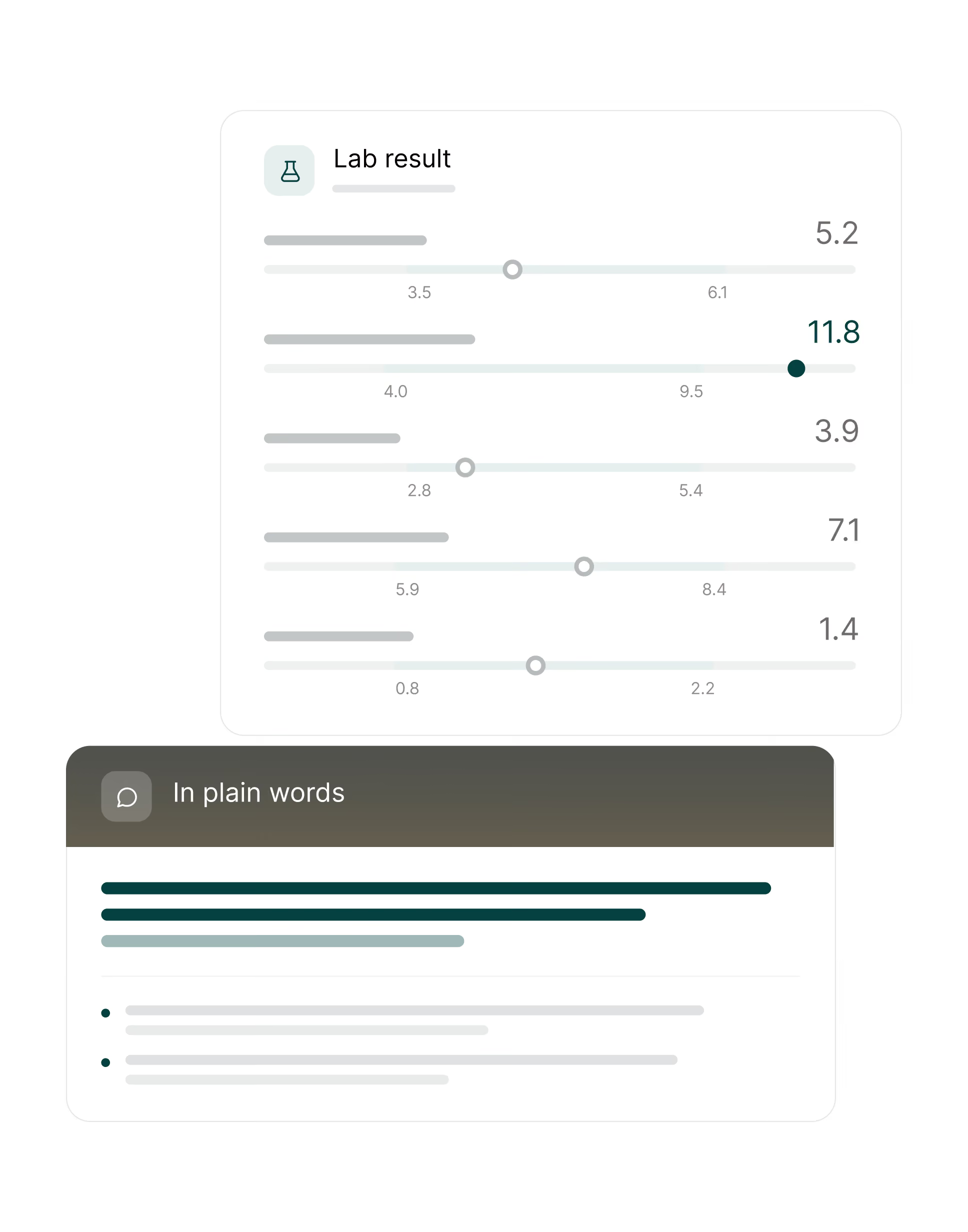
Specialist transvaginal ultrasound and MRI can detect ovarian endometriomas and many forms of deep endometriosis and help plan surgery. Superficial endometriosis may not appear on imaging, and a normal scan does not rule it out. Laparoscopy with direct visualization and, when appropriate, tissue sampling remains an option when the diagnosis is uncertain or surgery is needed. mama health's guides to how endometriosis is diagnosed and why endometriosis is so often missed cover the process and the delays. Results and letters can be read back in plain language in the mama health app, a free endometriosis support app.
What stands behind mama health
Medical oversight, safeguards around your data, and a clear purpose for every anonymized experience shared.
.avif)







Reviewed by our doctors
Our doctors review the medical sources behind every AI answer. Designed for high accuracy from your first chat.

Anonymized for good
Your personal data is encrypted and never shared. We turn it into anonymized insights. All under strict European data standards.

Contributing to research
Partners learn from anonymized patient experiences. That helps push research and better treatments forward.
All conditions we add to mama health go through careful checks.



Frequently asked questions
The report will appear in your inbox shortly✅
If you would like to explore how real-time patient insights can strengthen your commercial strategies, book a chat through the link below.