Every day with Multiple Sclerosis raises a new question

A free app for everything Multiple Sclerosis asks of you, grounded in medical science and the experience of others, so you don't have to figure it out alone.

One app for everything Multiple Sclerosis asks of you
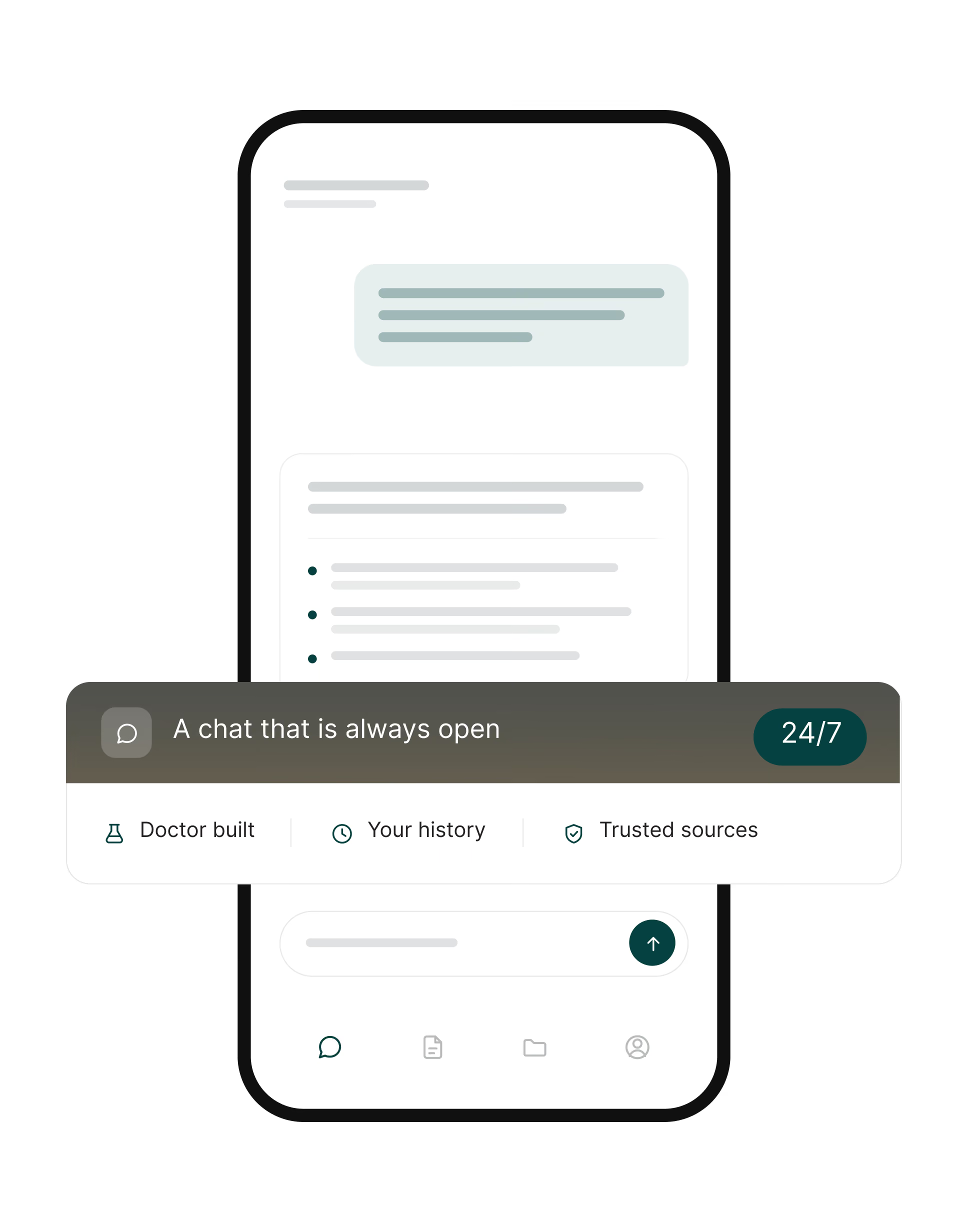
Personalized answers before, after, and in between every appointment.

What to know about Multiple Sclerosis
The basics on causes, types, symptoms, treatment and diagnosis, written from medical guidelines and reviewed by our in-house doctors. Open the parts that apply to you.
What is multiple sclerosis?
Multiple sclerosis (MS) is a chronic immune-mediated condition affecting the central nervous system, including the brain, spinal cord and optic nerves. In MS, inflammation damages myelin, the protective covering around nerve fibers, and may also injure the underlying nerves.
This damage disrupts communication between the brain and the rest of the body. The course varies widely between people, from relapsing episodes with recovery to more gradual change, and symptoms depend on which areas of the nervous system are affected.
What causes multiple sclerosis?
The precise cause is unknown. It is thought to result from an interaction between genetic susceptibility and environmental factors that leads the immune system to attack myelin.
Risk is associated with low vitamin D exposure, smoking, adolescent obesity and previous infection with Epstein-Barr virus, although none of these alone causes MS. It is not contagious and not directly inherited.
Treatment options
Disease-modifying therapies can reduce relapses and new MRI lesions. Acute relapses may be treated with corticosteroids, and plasma exchange may be considered for severe attacks that do not respond adequately.
Rehabilitation, exercise, symptom-specific medicines, mobility support, cognitive strategies and management of fatigue, pain, bladder symptoms, spasticity and mood all form part of care. Therapy is selected according to disease activity, safety profile, pregnancy plans and personal preference. Questions between appointments can be put through mama health, which is free multiple sclerosis support grounded in medical science and the experience of others.
Living with multiple sclerosis
Regular neurological follow-up with clinical examination, laboratory tests and MRI helps assess activity and treatment safety. Staying physically active where possible, avoiding smoking, and addressing sleep and mood support long-term function.
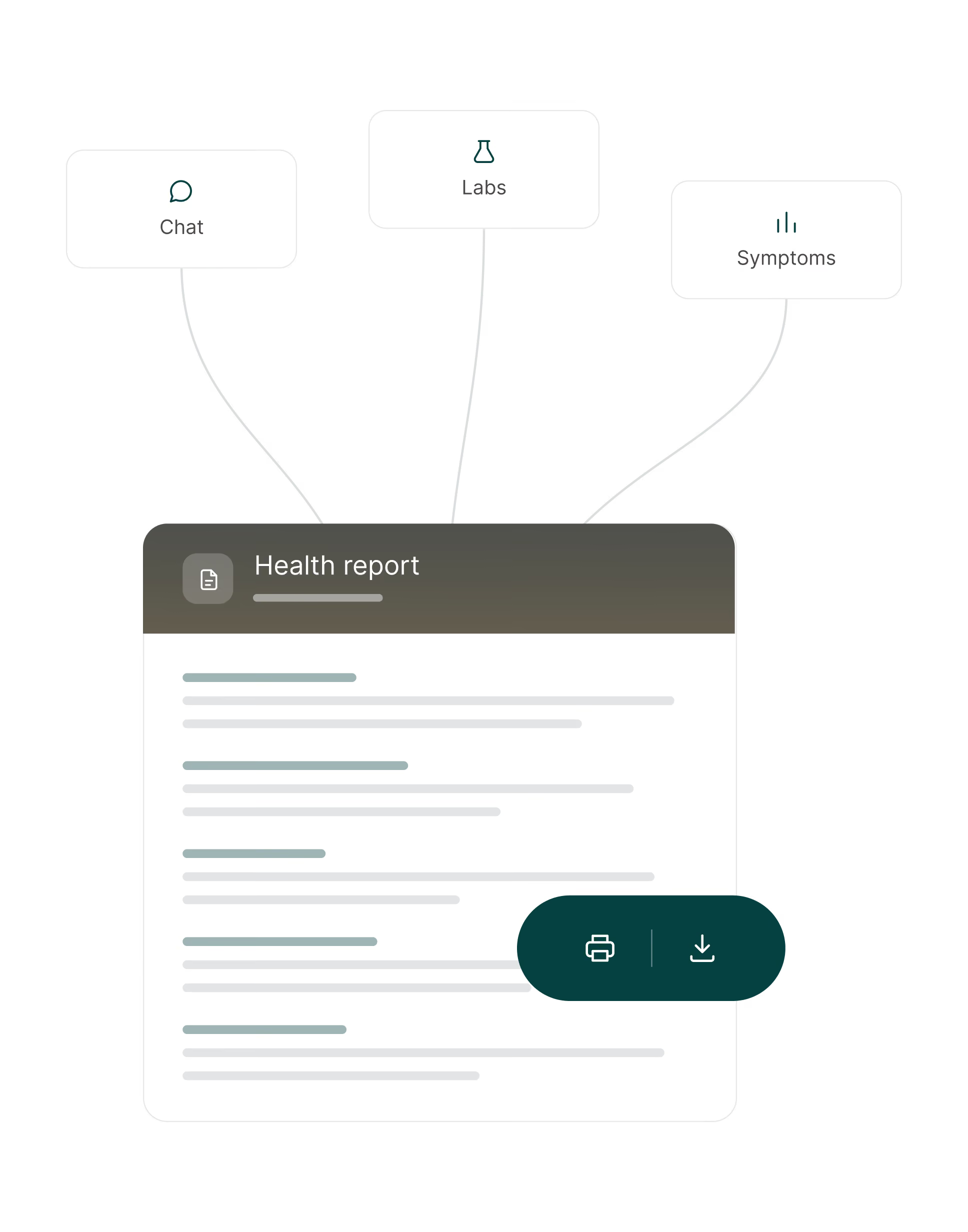
Heat, infection and fatigue may temporarily worsen neurological symptoms without representing a new relapse. New or clearly worsening symptoms lasting more than 24 hours are worth discussing with the treating team. Fatigue, pain and low mood are the three that affect daily life most and are the least discussed, covered in mama health's guides to fatigue that isn't ordinary tiredness, chronic pain, chronic insomnia and depression with a long-term condition. What changes week to week can be kept in one place in the mama health app, a free MS app built with in-house doctors.
When to seek emergency care
Seek emergency care for sudden severe weakness, inability to walk, major vision loss, new difficulty speaking, severe confusion, seizure, loss of consciousness, or breathing or swallowing difficulty. Sudden neurological symptoms may also be caused by stroke or another emergency.
What happens after diagnosis?
The question most people want answered after a diagnosis is what happens next, and it is the one question MS does not answer neatly. The course is highly variable, and two people diagnosed in the same month can have very different years ahead of them.
What is known is that MS is lifelong, that treatment has changed substantially, and that disease-modifying therapies and rehabilitation can reduce inflammatory activity, particularly when treatment starts early. What that means for any one person is reviewed with the neurology team over time rather than predicted at the start.
Who is at risk of developing multiple sclerosis?
MS is more common in women and often begins between early adulthood and middle age. Risk is higher with a close family history, certain genetic variants, Epstein-Barr virus infection, smoking, low vitamin D or limited sunlight exposure, and adolescent obesity.
MS is reviewed alongside bladder and bowel function, pain, cognition, mood and treatment-related infection risk. Those checks are part of routine care rather than a sign of what is coming.
What are the symptoms of multiple sclerosis?
Symptoms may include blurred or painful vision loss, double vision, numbness or tingling, limb weakness, imbalance, dizziness, muscle stiffness or spasms, tremor, fatigue, electric-shock sensations with neck movement, bladder or bowel problems, sexual difficulties, pain, slowed thinking and mood changes. Symptoms may occur in attacks or develop more gradually.
Early symptoms are easy to dismiss or attribute to something else, covered in mama health's guide to early symptoms of MS. Balance problems and cognitive changes both come up across neurological conditions, covered in balance problems and brain fog and how to describe it.
How is multiple sclerosis diagnosed?
Diagnosis is based on evidence of damage in different areas of the central nervous system at different times, together with exclusion of alternative causes. It involves a detailed neurological history and examination, with MRI used to identify characteristic lesions in the brain and spinal cord. Contrast imaging may help distinguish active from older areas of inflammation.
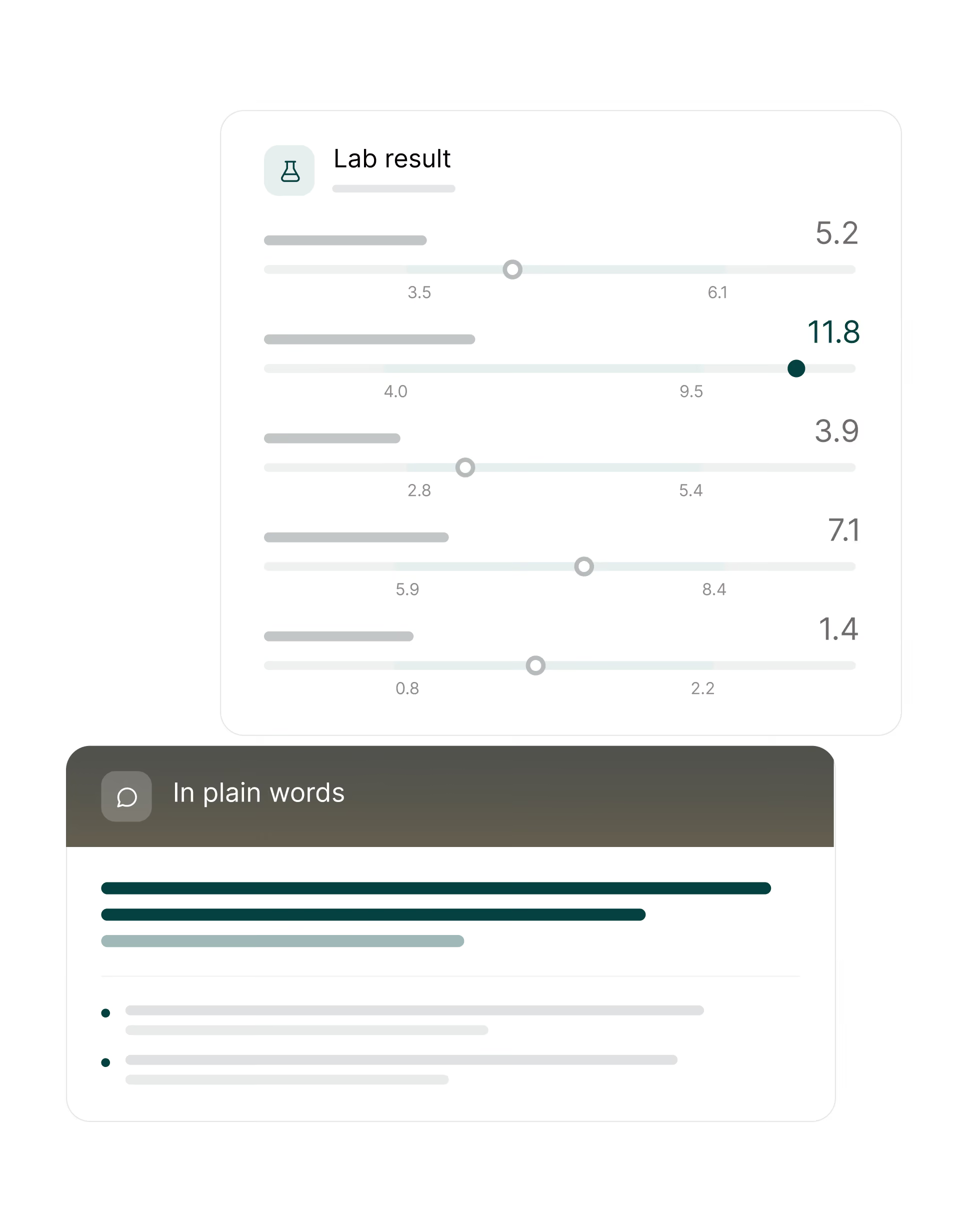
A lumbar puncture may detect oligoclonal bands in cerebrospinal fluid, and evoked potentials or optical coherence tomography may provide additional evidence. Blood tests exclude infections, vitamin deficiencies, neuromyelitis optica spectrum disorder and other conditions that can mimic MS. Several neurological conditions are confused with MS, covered in how MS relates to myasthenia gravis, ALS and Parkinson's and why a neurological diagnosis takes time. MRI reports and letters can be read back in plain language in the mama health app, a free multiple sclerosis support app.
What stands behind mama health
Medical oversight, safeguards around your data, and a clear purpose for every anonymized experience shared.
.avif)







Reviewed by our doctors
Our doctors review the medical sources behind every AI answer. Designed for high accuracy from your first chat.

Anonymized for good
Your personal data is encrypted and never shared. We turn it into anonymized insights. All under strict European data standards.

Contributing to research
Partners learn from anonymized patient experiences. That helps push research and better treatments forward.
All conditions we add to mama health go through careful checks.



Frequently asked questions
The report will appear in your inbox shortly✅
If you would like to explore how real-time patient insights can strengthen your commercial strategies, book a chat through the link below.