Every day with Insomnia raises a new question
.avif)
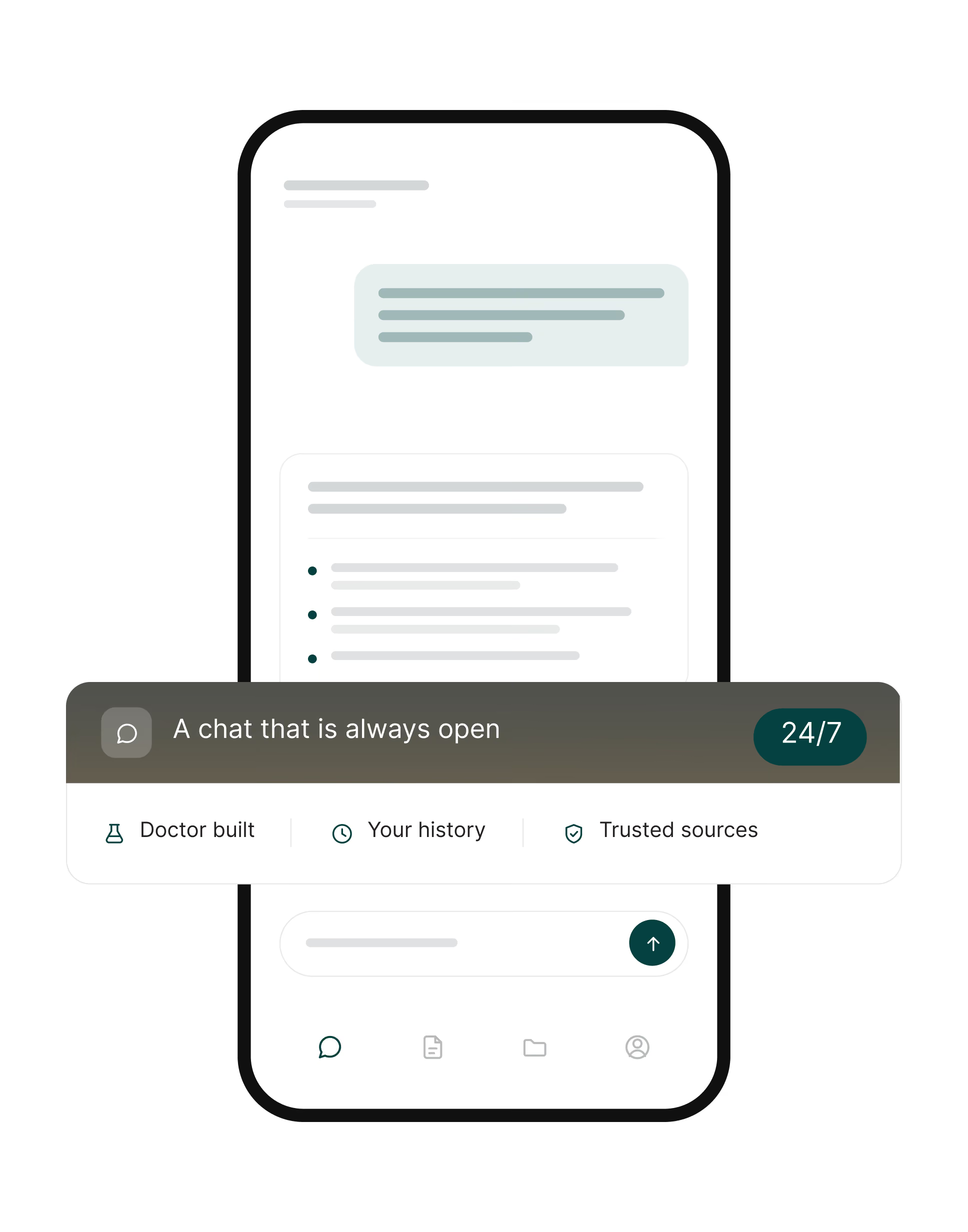
A free app for everything Insomnia asks of you, grounded in medical science and the experience of others, so you don't have to figure it out alone.

One app for everything Insomnia asks of you
Personalized answers before, after, and in between every appointment.

What to know about Insomnia
The basics on causes, types, symptoms, treatment and diagnosis, written from medical guidelines and reviewed by our in-house doctors. Open the parts that apply to you.
What is insomnia?
Insomnia means difficulty falling asleep, staying asleep, waking earlier than intended, or not getting restorative sleep despite having an adequate opportunity to sleep. It may be short term, or chronic when it happens repeatedly over several months.
Chronic insomnia is more than occasional sleeplessness, and it often continues because behavioral, psychological and medical factors reinforce each other. mama health's guide to chronic insomnia covers it in more detail.
What causes insomnia?
Insomnia can be triggered by stress, major life changes, travel, shift work, pain, illness, menopause, mental health conditions, or certain medicines and substances. Irregular sleep schedules and long periods awake in bed can reinforce it.
Other sleep disorders produce similar complaints, including sleep apnea, restless legs syndrome and circadian rhythm disorders. Overwhelming daytime sleepiness despite time in bed points somewhere different, covered in narcolepsy. Caffeine, nicotine, alcohol, and some decongestants, stimulants, corticosteroids or antidepressants can also interfere with sleep.
Treatment options
Cognitive behavioral therapy for insomnia (CBT-I) is the first-line treatment for chronic insomnia. It combines sleep scheduling, stimulus control, relaxation strategies and techniques that change unhelpful beliefs and habits around sleep.
Sleep hygiene supports treatment but is often not enough on its own. Prescription sleep medicines may be considered, usually for limited periods or with careful monitoring, depending on age, other conditions and the risk of side effects or dependence. Where another condition is involved, that changes which medicines are suitable, covered in checking sleep, pain and anxiety medicines against another condition. Questions between appointments can be put through mama health, which is free insomnia support grounded in medical science and the experience of others.
What insomnia affects during the day
Poor sleep affects concentration, mood, reaction time, work performance and physical health. Memory and concentration problems in particular are often what push someone to seek help, and they are hard to describe in an appointment, covered in brain fog and how to describe it.
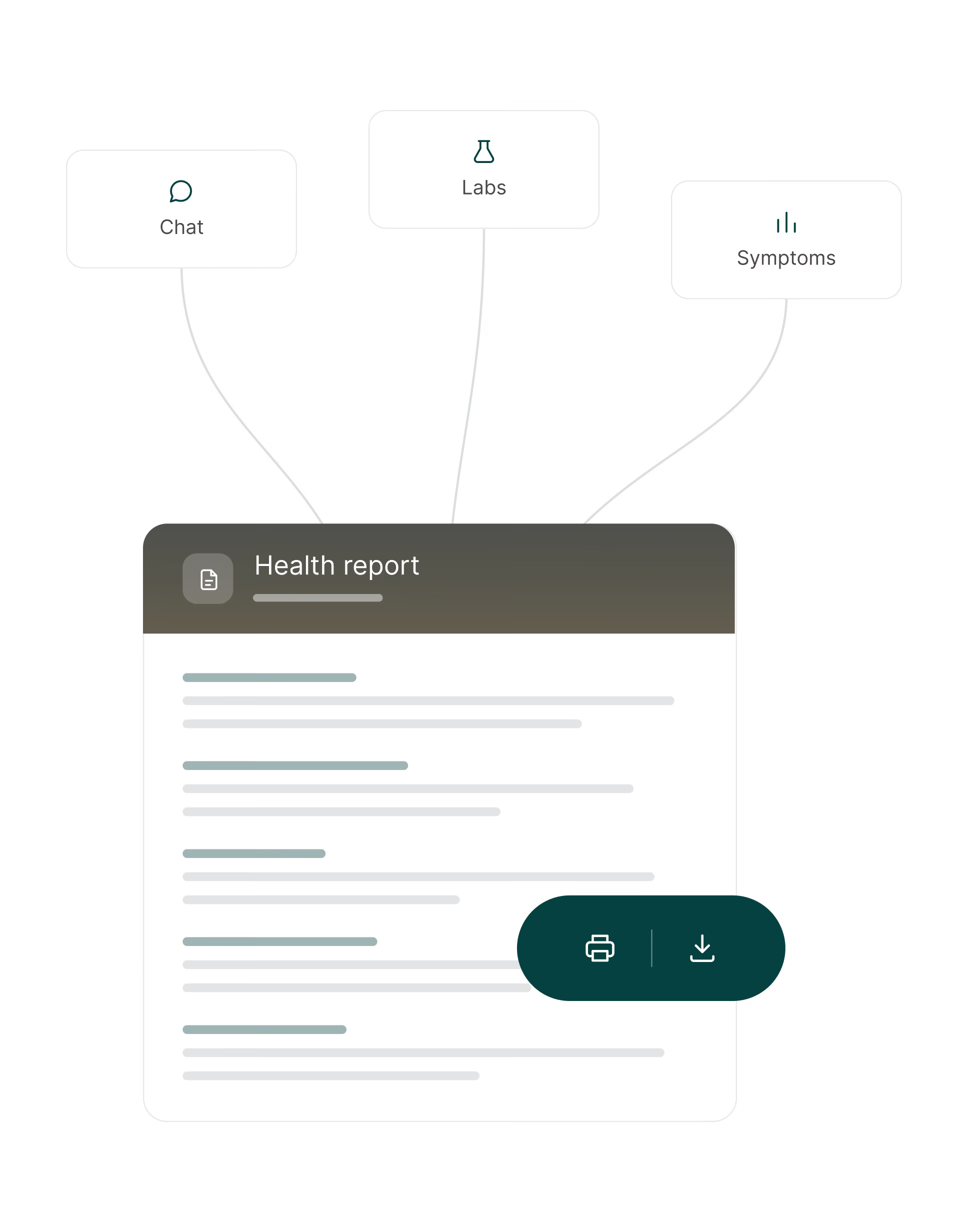
Driving and operating machinery are unsafe when severe sleepiness is present. Pain and low mood both interact with sleep in both directions, covered in chronic pain and depression with a long-term condition. What happens across a week can be kept in one place in the mama health app, a free insomnia app built with in-house doctors.
When to seek urgent help
Seek urgent help if sleeplessness comes with severe confusion, hallucinations, unusually elevated or agitated behavior, chest pain, breathing difficulty or dangerous daytime sleepiness. These may indicate a medical or psychiatric emergency rather than uncomplicated insomnia.
Who is at risk of developing insomnia?
Risk factors include older age, female sex, pregnancy or menopause, irregular work schedules, frequent travel across time zones, chronic pain, respiratory or neurological conditions, anxiety, depression, trauma, substance use, and a family tendency toward sleep problems.
Persistent insomnia is associated with a higher risk of accidents and with mood, cardiovascular and metabolic health, which is why it is treated rather than waited out.
What are the symptoms of insomnia?
Symptoms include taking a long time to fall asleep, repeated nighttime awakenings, waking too early, light or unrefreshing sleep, daytime fatigue, irritability, low mood, poor concentration, memory problems, reduced motivation, headaches, and more errors or accidents.
Some people become increasingly worried about sleep itself, which can further delay sleep onset. Naps are worth mentioning at an appointment because they change the picture, covered in planned naps.
How is insomnia diagnosed?
Diagnosis is based on a detailed sleep and medical history: sleep timing, bedtime routines, awakenings, naps, work schedule, medications, caffeine and alcohol use, medical conditions and daytime impairment. Chronic insomnia is considered when sleep difficulty occurs regularly despite adequate opportunity for sleep and causes meaningful daytime consequences.
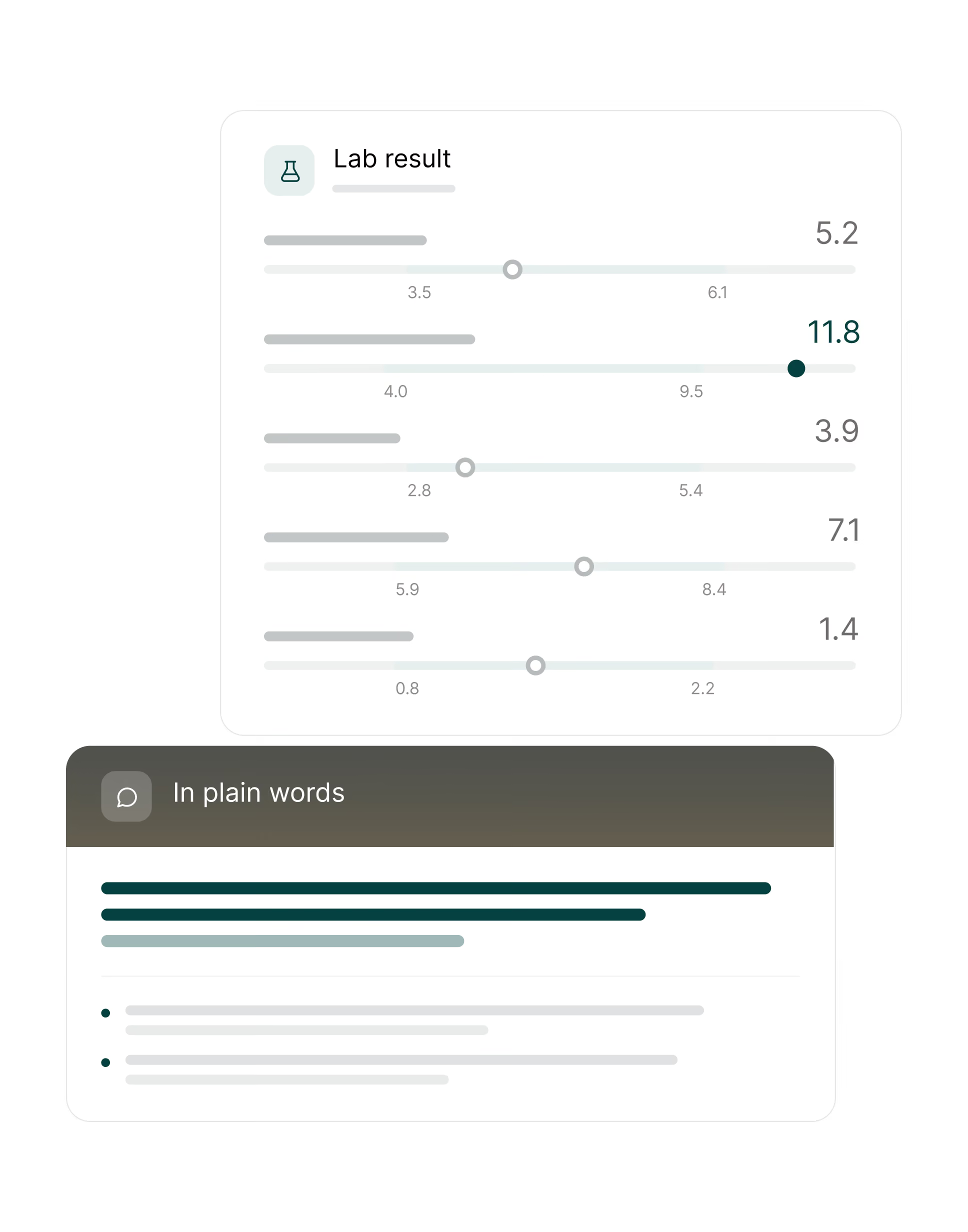
A sleep diary completed over one to two weeks is often useful, and actigraphy may be used. An overnight sleep study is generally reserved for suspected sleep apnea, movement disorders or another sleep condition. Physical examination and blood testing may be added when symptoms suggest a thyroid condition or something else underlying. Results and letters can be read back in plain language in the mama health app, a free insomnia support app.
What stands behind mama health
Medical oversight, safeguards around your data, and a clear purpose for every anonymized experience shared.
.avif)







Reviewed by our doctors
Our doctors review the medical sources behind every AI answer. Designed for high accuracy from your first chat.

Anonymized for good
Your personal data is encrypted and never shared. We turn it into anonymized insights. All under strict European data standards.

Contributing to research
Partners learn from anonymized patient experiences. That helps push research and better treatments forward.
All conditions we add to mama health go through careful checks.



Frequently asked questions
The report will appear in your inbox shortly✅
If you would like to explore how real-time patient insights can strengthen your commercial strategies, book a chat through the link below.