Every day with Long COVID raises a new question

A free app for everything Long COVID asks of you, grounded in medical science and the experience of others, so you don't have to figure it out alone.

One app for everything Long COVID asks of you
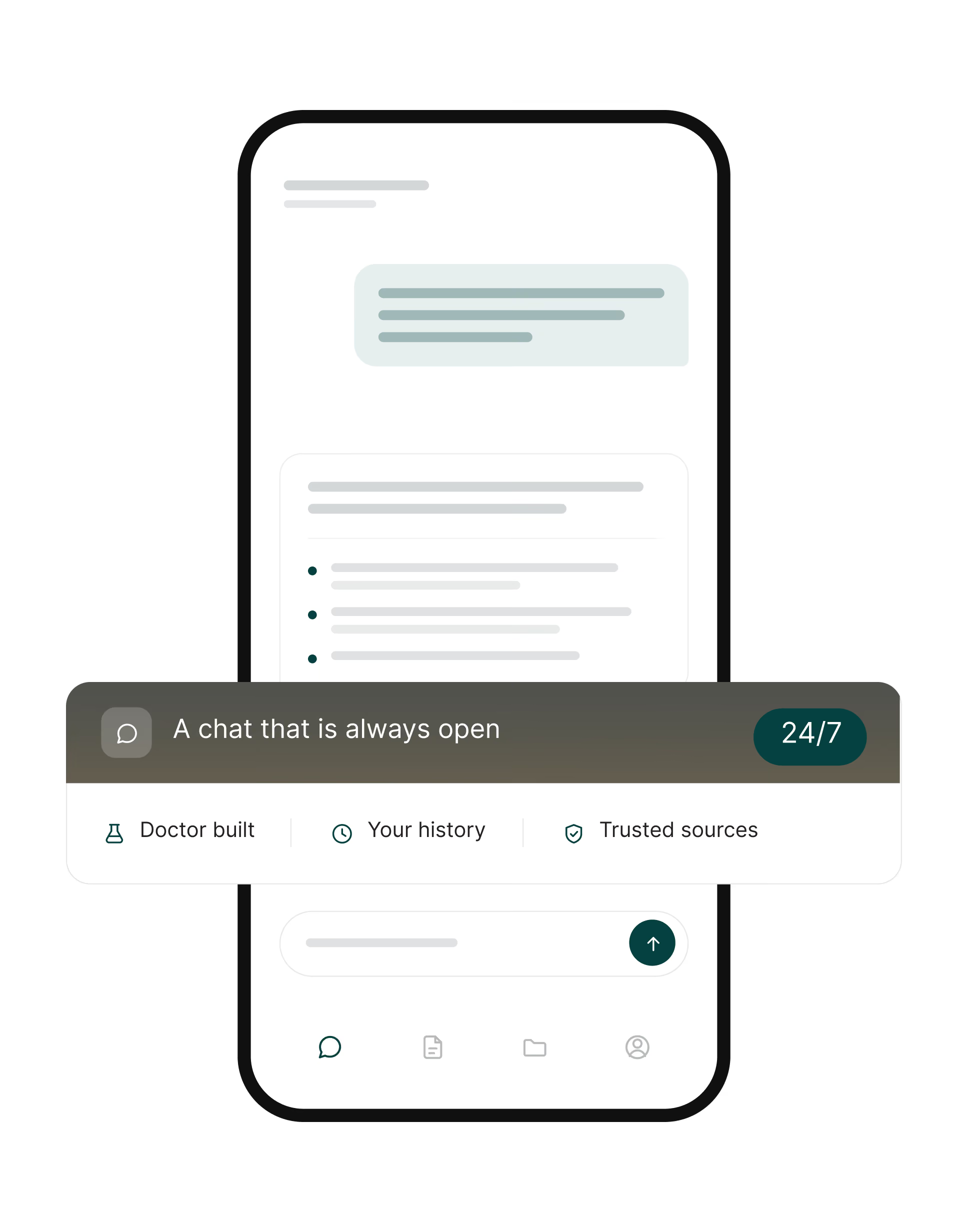
Personalized answers before, after, and in between every appointment.

What to know about Long COVID
The basics on causes, types, symptoms, treatment and diagnosis, written from medical guidelines and reviewed by our in-house doctors. Open the parts that apply to you.
What is Long COVID?
Long COVID, also called post-COVID condition or post-acute sequelae of SARS-CoV-2 infection, describes new, persistent or recurring health problems that continue after the acute phase of COVID-19. Symptoms may involve several organs and can last for months or longer.
It can occur after mild, severe or even initially unrecognized infection. Its presentation varies widely, and symptoms may fluctuate or worsen after physical or mental exertion.
What causes Long COVID?
Long COVID is likely caused by several overlapping biological mechanisms rather than one single process. Proposed mechanisms include persistent immune activation, viral persistence, autonomic nervous system dysfunction, abnormal clotting or blood-vessel responses, and effects of organ injury from the initial infection.
Risk is generally higher after severe acute illness and repeated infections, but any infected person can develop prolonged symptoms. Vaccination reduces the risk of severe COVID-19 and may lower, though not eliminate, the likelihood of Long COVID. In a small number of people the initial infection leaves lasting lung scarring, which is a different condition, covered in pulmonary fibrosis.
Treatment options
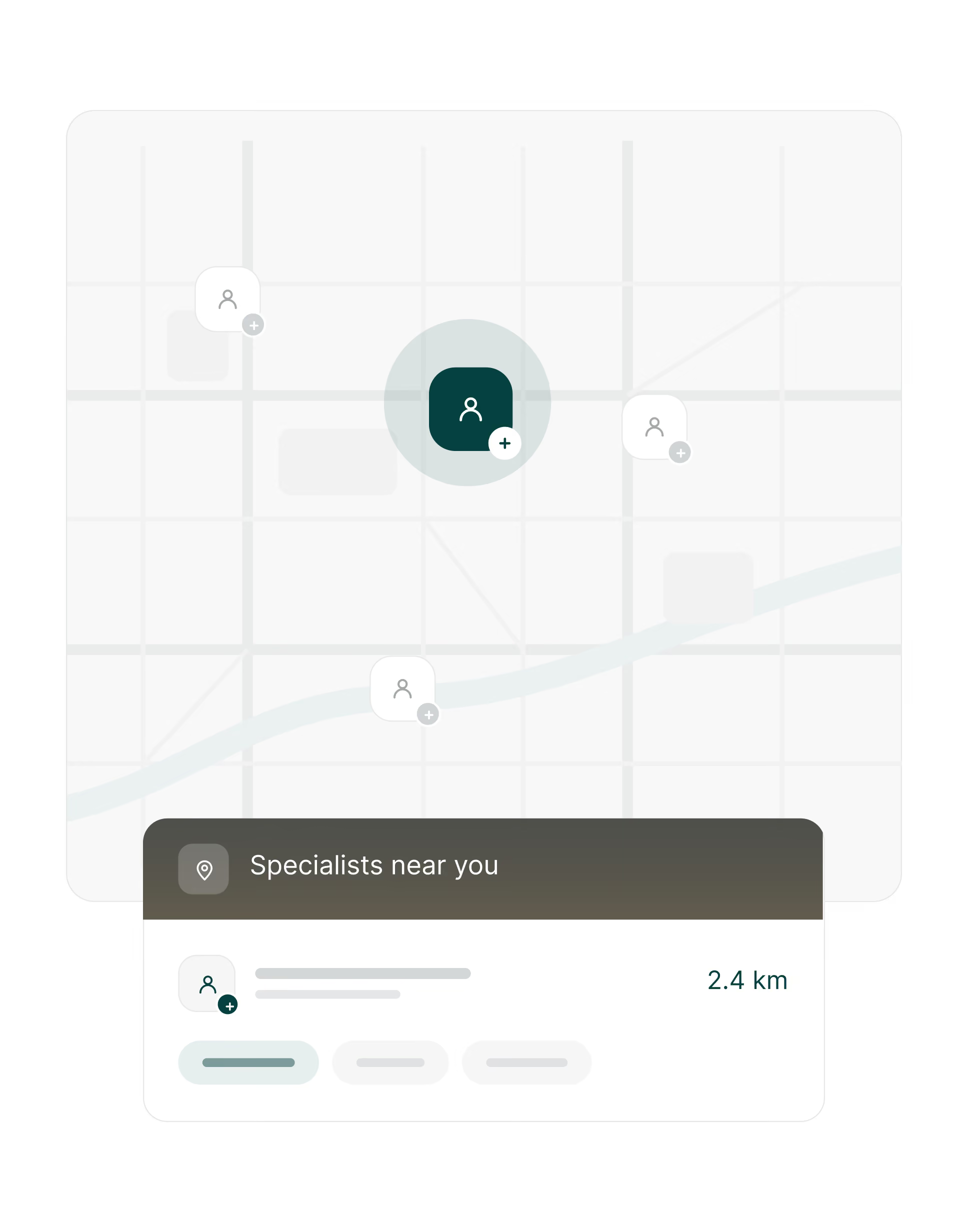
There is no single treatment that resolves all cases. Care focuses on the most disabling symptoms, pacing and activity management, sleep support, treatment of pain or autonomic symptoms, rehabilitation when appropriate, and management of newly identified medical conditions.
Rehabilitation has to be individualized, because some people experience post-exertional malaise and get worse with fixed incremental exercise programs. Coordinated care involving primary care and relevant specialists may be needed in complex cases. Questions between appointments can be put through mama health, which is free Long COVID support grounded in medical science and the experience of others.
Living with Long COVID
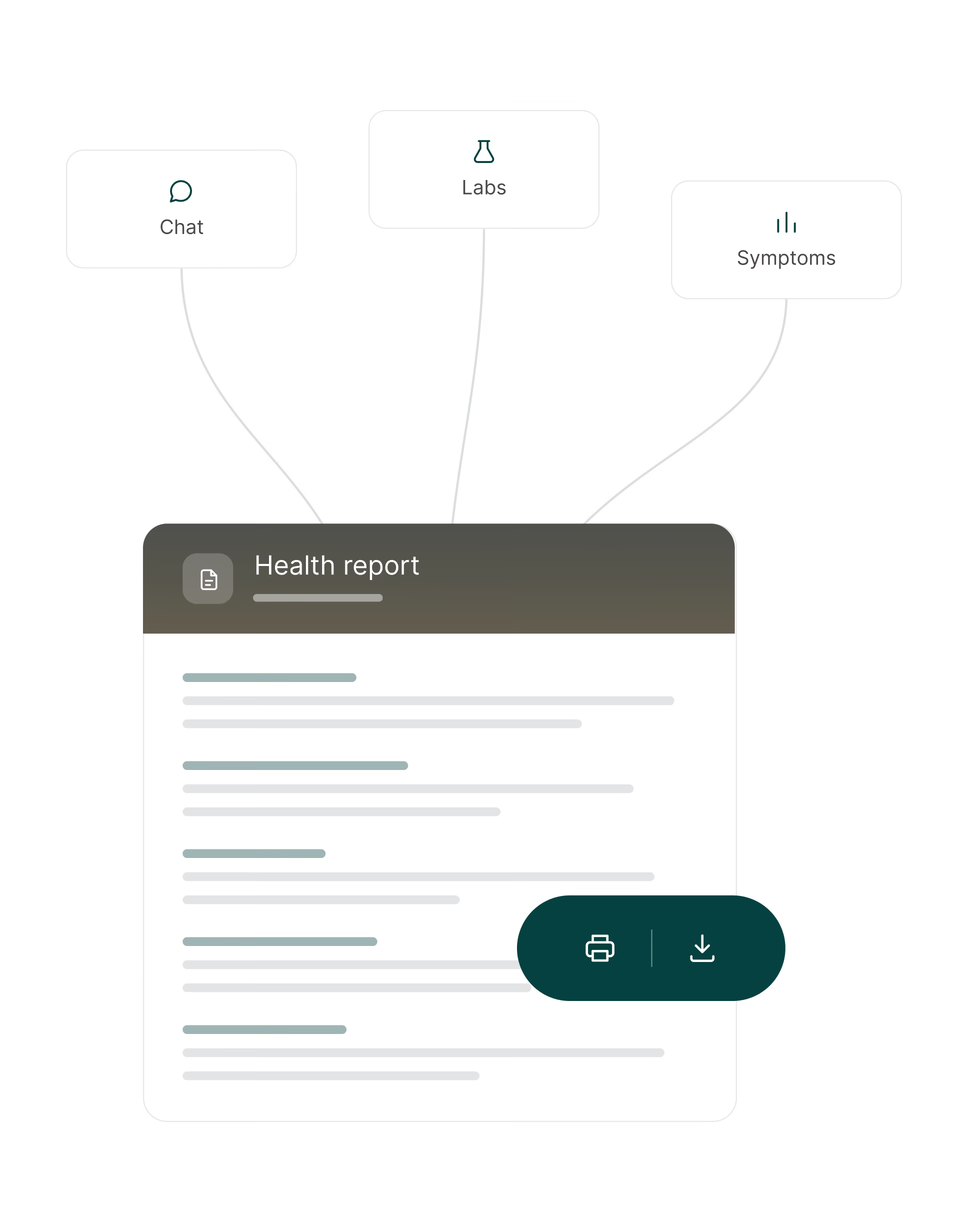
A symptom and activity diary helps identify delayed worsening after exertion and guide pacing, and it can be kept in one place in the mama health app, a free Long COVID app built with in-house doctors. Adjustments at work or school, scheduled rest and a gradual return to activities within individual limits are all part of that.
Sleep, nutrition, mental health, mobility and social support belong alongside the physical symptoms rather than after them. mama health's guides to chronic insomnia, pacing and fatigue and depression with a long-term condition cover those. New symptoms should not automatically be attributed to Long COVID without appropriate medical evaluation.
When to seek emergency care
Seek emergency care for severe breathing difficulty, persistent chest pain or pressure, fainting, new confusion, inability to stay awake, stroke-like symptoms, coughing blood, blue or gray discoloration, or a dangerously fast or irregular heartbeat.
How does Long COVID change over time?
Recovery is variable. Many people improve gradually, while others have relapsing symptoms over a longer period. Ongoing research is refining diagnosis and treatment, and regular reassessment matters as symptoms and functional needs change. mama health's guide to how many people improve covers what the evidence currently shows.
Who is at risk of developing Long COVID?
Long COVID can affect people of any age and after infections of any severity. Reported risk factors include severe acute COVID-19, hospitalization, repeated infections, older age, female sex, obesity, certain chronic conditions and lack of vaccination, although people without any of these are also affected.
It can reduce mobility and work capacity, lead to social isolation, and make an existing condition harder to manage.
What are the symptoms of Long COVID?
Common symptoms include severe fatigue, post-exertional malaise, shortness of breath, persistent cough, chest pain, palpitations, dizziness on standing, brain fog, memory or concentration problems, headache, sleep disturbance, muscle or joint pain, altered smell or taste, digestive symptoms, anxiety or depression, and changes in menstrual cycles. Symptoms may appear, disappear and return over time.
Two of these are worth reading about specifically. Brain fog is frequently dismissed and hard to describe in an appointment, covered in brain fog and how to describe it. A persistent cough is often attributed to something else, covered in a persistent cough and when to see a doctor. Muscle and joint pain that outlasts the infection is covered in chronic pain.
How is Long COVID diagnosed?
Long COVID is diagnosed clinically, through a detailed history of the initial illness, the onset and course of later symptoms, physical examination, and assessment of functional impact. A positive historical test can support the diagnosis but is not always available or required, because many infections were never tested.
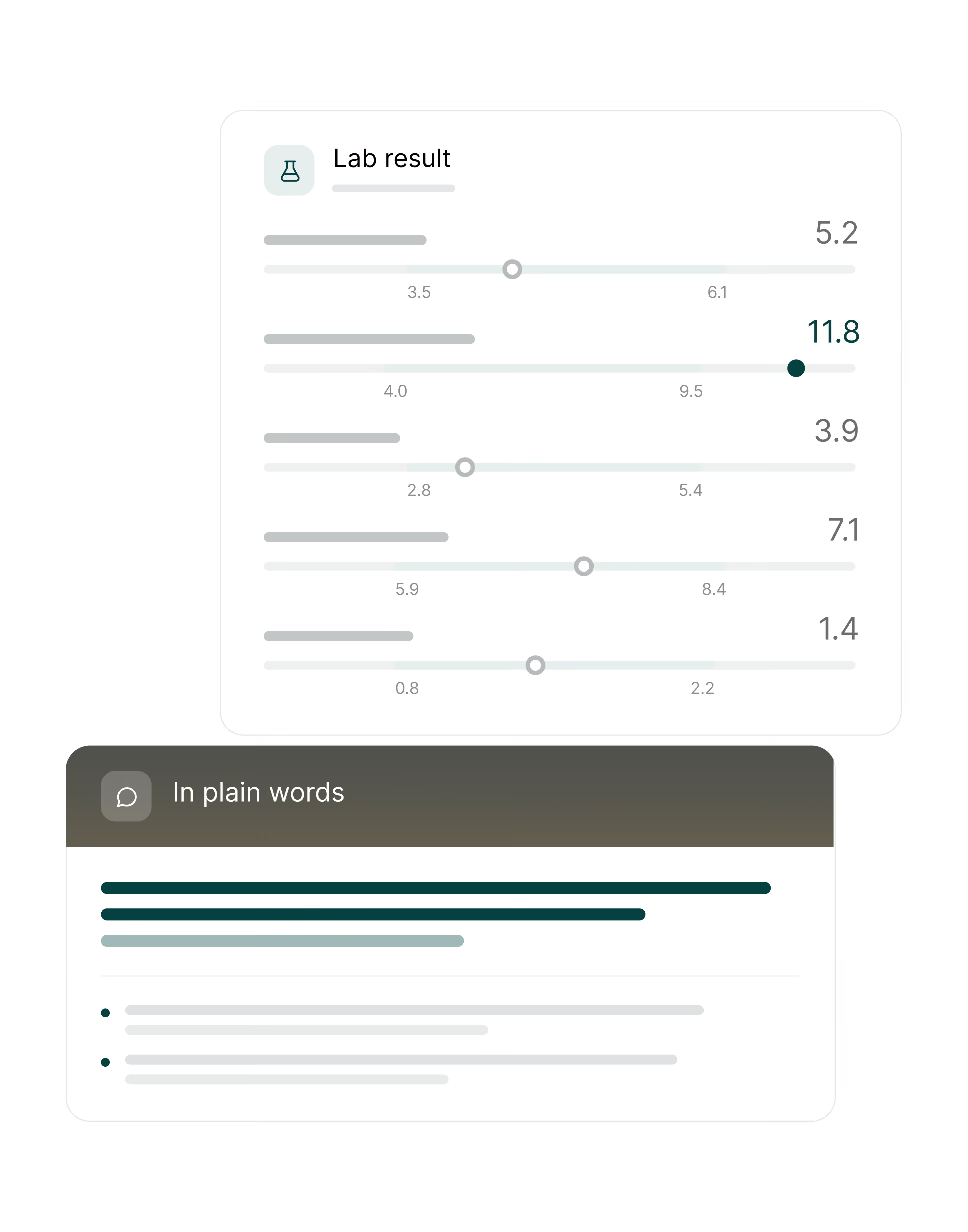
Routine blood tests, imaging and heart tests may all be normal, so testing is selected according to the organs and symptoms involved. It may include blood counts, metabolic and thyroid tests, oxygen measurement, electrocardiography, chest imaging, pulmonary function tests, cardiac evaluation, cognitive screening or autonomic testing. Clinicians also assess for anemia, sleep disorders, heart or lung conditions, endocrine problems and other treatable explanations. Results and letters can be read back in plain language in the mama health app, a free Long COVID support app.
What stands behind mama health
Medical oversight, safeguards around your data, and a clear purpose for every anonymized experience shared.
.avif)







Reviewed by our doctors
Our doctors review the medical sources behind every AI answer. Designed for high accuracy from your first chat.

Anonymized for good
Your personal data is encrypted and never shared. We turn it into anonymized insights. All under strict European data standards.

Contributing to research
Partners learn from anonymized patient experiences. That helps push research and better treatments forward.
All conditions we add to mama health go through careful checks.



Frequently asked questions
The report will appear in your inbox shortly✅
If you would like to explore how real-time patient insights can strengthen your commercial strategies, book a chat through the link below.