Every day with Menopause raises a new question

A free app for everything Menopause asks of you, grounded in medical science and the experience of others, so you don't have to figure it out alone.

One app for everything Menopause asks of you
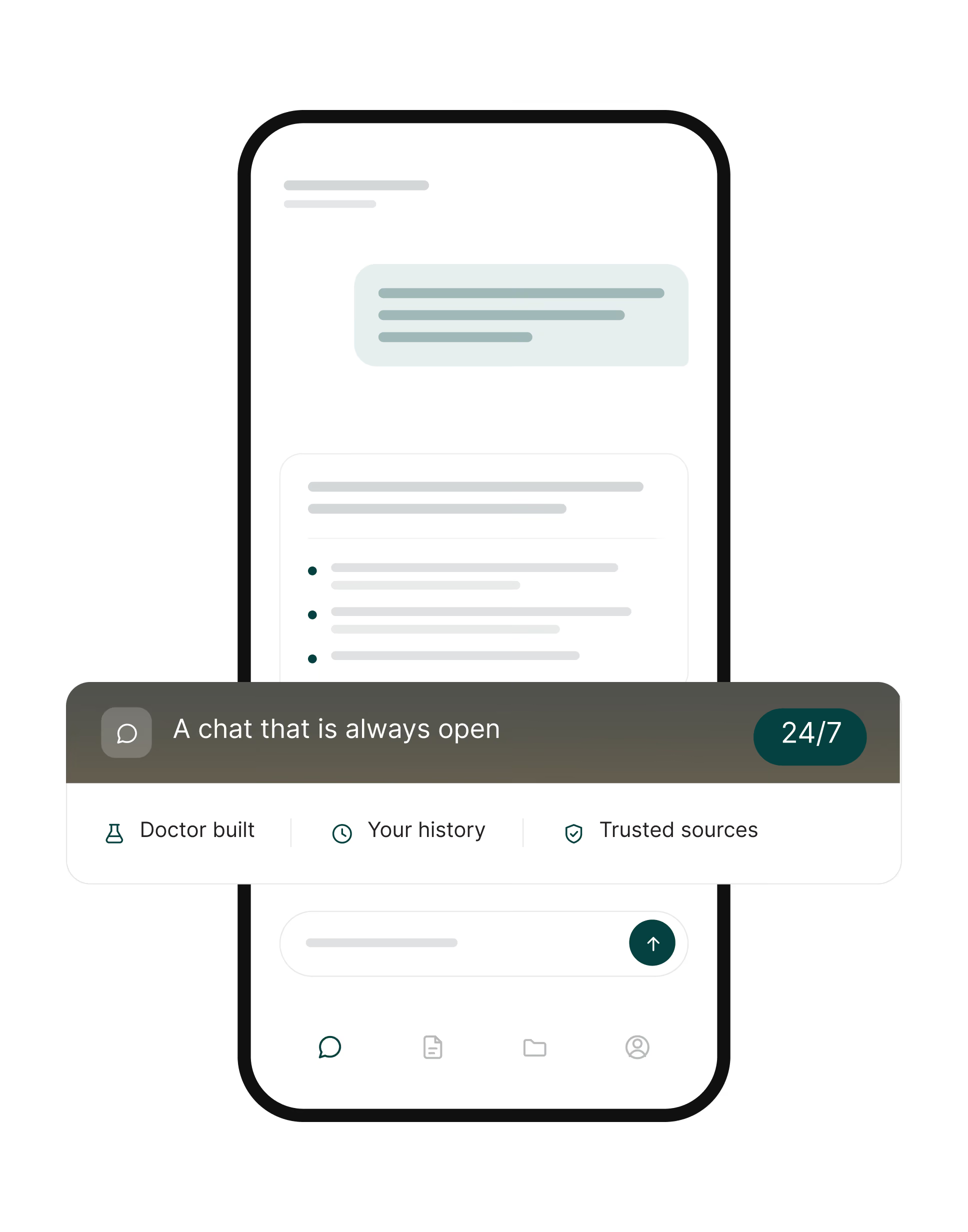
Personalized answers before, after, and in between every appointment.
What to know about Menopause
The basics on causes, types, symptoms, treatment and diagnosis, written from medical guidelines and reviewed by our in-house doctors. Open the parts that apply to you.
What is menopause?
Menopause is a natural stage of life that marks the end of menstrual periods. It happens as the ovaries stop releasing eggs and levels of hormones such as oestrogen decline.
Natural menopause is confirmed after 12 consecutive months without a period, when there is no other cause. Everyone’s experience is different: some women notice few changes, while others have symptoms that affect everyday life.
What are perimenopause, menopause and postmenopause?
Perimenopause is the transition leading up to menopause. Hormone levels change, periods may become irregular, and symptoms such as hot flushes or sleep difficulties can begin.
Menopause is the point reached after 12 months without a period, provided there is no other explanation.
Postmenopause is the stage of life after menopause. Some symptoms improve over time, while others, such as vaginal dryness, may continue.
Hormonal contraception can change or stop periods, making it harder to recognise the transition from bleeding patterns alone.
When does menopause usually happen?
Most women reach natural menopause between the ages of 45 and 55, although the timing varies.
Menopause before 45 is called early menopause. Symptoms and absent or infrequent periods before 40 may indicate premature ovarian insufficiency (POI) and need medical assessment. Menopause can also follow surgery to remove both ovaries or certain cancer treatments.
What changes might I notice?
Changes in your periods are often an early sign. Other common experiences include:
- Hot flushes and night sweats.
- Difficulty sleeping.
- Changes in mood, including anxiety or low mood.
- Problems with concentration or memory, sometimes called “brain fog”.
- Vaginal dryness, irritation or discomfort during sex.
- Changes in sexual desire.
- Muscle aches and joint pain.
- Urinary symptoms, such as needing to urinate more often.
You may experience several of these, only a few, or hardly any. Their intensity can also change over time.
How long do menopause symptoms last?
Symptoms can begin before periods stop and continue for several years afterwards. There is no single timeline that applies to everyone.
The symptoms themselves may change: hot flushes might ease while sleep difficulties or vaginal dryness continue. You can discuss options with a healthcare professional at any stage.
How can I tell if I am approaching menopause?
For otherwise healthy women aged 45 or over, a healthcare professional can usually identify perimenopause or menopause from symptoms and menstrual history. Routine hormone blood tests are generally unnecessary.
Tests may be appropriate if symptoms begin before 45 or another cause is suspected. If you use hormonal contraception or have had a hysterectomy, assessment may rely more on symptoms and medical history.
What can help me feel well during this transition?
Regular physical activity, a balanced diet and a consistent sleep routine can support your wellbeing. Weight-bearing activities, such as walking, and resistance exercises help maintain bone and muscle health.
For hot flushes, lightweight clothing and a cool bedroom may help. Vaginal moisturisers and lubricants can ease dryness or discomfort. These measures can be useful, but you do not have to rely on lifestyle changes alone if symptoms are affecting you.
What options are available for managing symptoms?
Options include hormonal treatments, non-hormonal medicines and menopause-specific cognitive behavioural therapy (CBT). The right approach depends on your symptoms, medical history and preferences.
CBT can help with menopause-related hot flushes, sleep difficulties and low mood. Vaginal oestrogen may be offered for vaginal dryness or related urinary symptoms. A healthcare professional can explain which options are suitable for you.
What is hormone replacement therapy (HRT)?
HRT replaces hormones that decline around menopause and can help relieve symptoms such as hot flushes and night sweats. It comes in different forms, including patches, gels, sprays and tablets.
People who still have a womb usually need a progestogen alongside systemic oestrogen to protect the womb lining. The benefits and risks of HRT depend on the formulation and your individual circumstances, so treatment should be discussed and reviewed with a healthcare professional.
Can I still get pregnant during perimenopause?
Yes. Ovulation can still happen during perimenopause, even when periods are irregular. HRT is not contraception.
How long you need contraception depends on your age, menstrual history and the method you use. A healthcare professional can advise when it is appropriate to stop.
What should I know about my health after menopause?
Lower oestrogen levels contribute to bone loss, making bone health an important consideration after menopause. Regular weight-bearing and resistance exercise, adequate calcium and vitamin D, and avoiding smoking can help protect your bones.
This is also a useful time to review your general health, including blood pressure and cardiovascular risk, with your healthcare professional.
When should I speak to a healthcare professional?
You can ask for advice whenever symptoms affect your comfort, sleep, relationships or work—you do not need to wait until your periods stop.
Seek assessment if you have menopause symptoms before 45, unusually heavy or concerning bleeding, or any vaginal bleeding after 12 months without a period, even if it happens only once or is just spotting. New symptoms should not automatically be attributed to menopause.
What stands behind mama health
Medical oversight, safeguards around your data, and a clear purpose for every anonymized experience shared.








Reviewed by our doctors
Our doctors review the medical sources behind every AI answer. Designed for high accuracy from your first chat.

Anonymized for good
Your personal data is encrypted and never shared. We turn it into anonymized insights. All under strict European data standards.

Contributing to research
Partners learn from anonymized patient experiences. That helps push research and better treatments forward.
All conditions we add to mama health go through careful checks.



Frequently asked questions
The report will appear in your inbox shortly✅
If you would like to explore how real-time patient insights can strengthen your commercial strategies, book a chat through the link below.