Every day with COPD raises a new question
.avif)
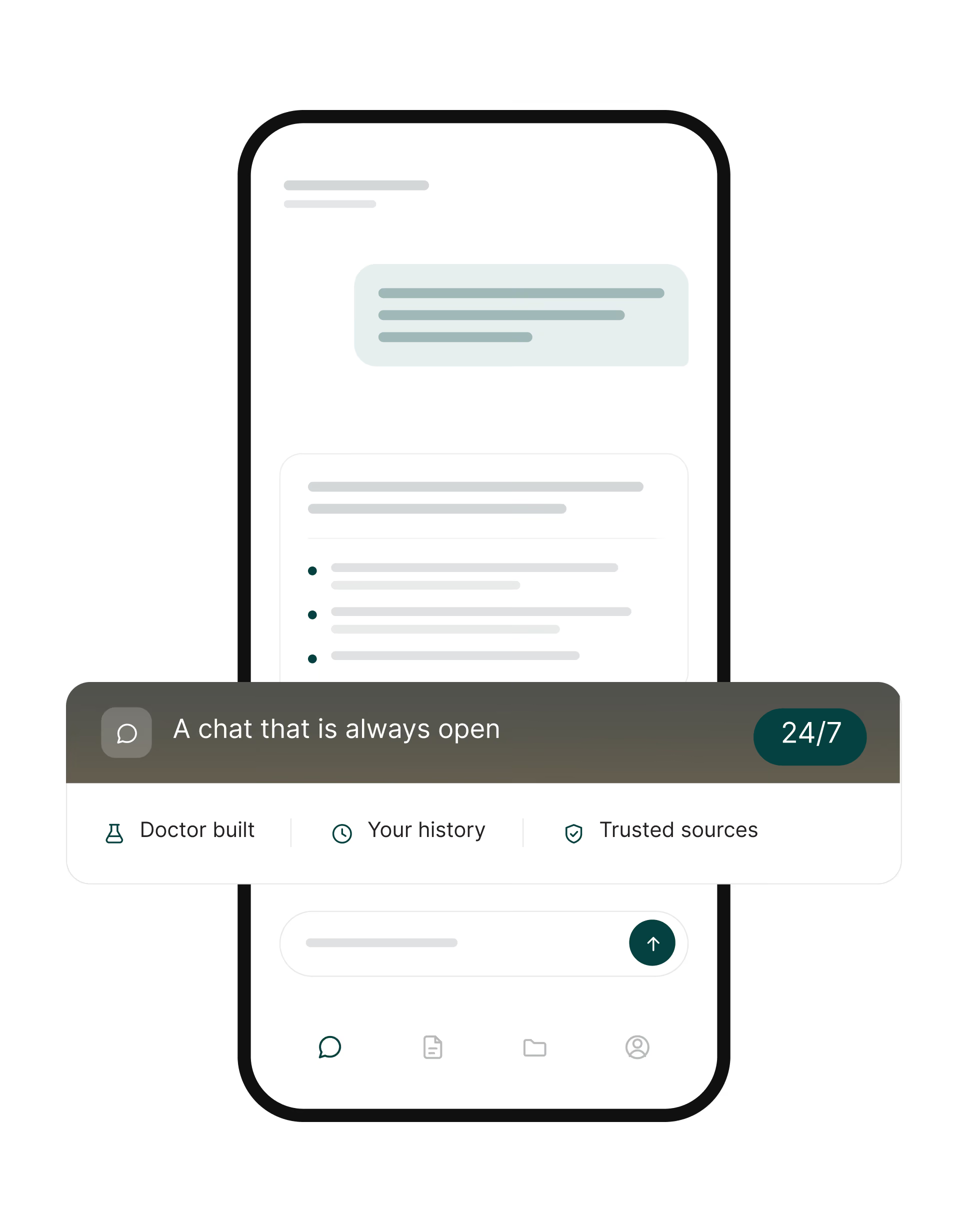
A free app for everything COPD asks of you, grounded in medical science and the experience of others, so you don't have to figure it out alone.

One app for everything COPD asks of you
Personalized answers before, after, and in between every appointment.

What to know about COPD
The basics on causes, types, symptoms, treatment and diagnosis, written from medical guidelines and reviewed by our in-house doctors. Open the parts that apply to you.
What is COPD?
Chronic obstructive pulmonary disease (COPD) is a long-term lung condition that causes persistent airflow limitation and breathing symptoms. It includes varying degrees of emphysema, small-airway disease and chronic bronchitis.
Exacerbations, meaning periods of sudden symptom worsening, may require urgent treatment or hospitalization, and treatment aims to prevent them as well as to manage symptoms day to day.
What causes COPD?
The most common cause is long-term exposure to tobacco smoke. Other causes include occupational dusts and chemicals, indoor biomass smoke, outdoor air pollution and abnormal lung development.
A small proportion of cases are related to alpha-1 antitrypsin deficiency, an inherited condition that can lead to early emphysema. Asthma and repeated childhood respiratory infections may also contribute to persistent airflow limitation. Several other lung conditions cause similar breathlessness, and mama health's guide to pulmonary fibrosis and COPD sets out how they differ.
Treatment options
Treatment includes stopping smoking where relevant, inhaled bronchodilators, selected inhaled corticosteroid combinations, vaccination, pulmonary rehabilitation, physical activity and an action plan for exacerbations. Correct inhaler technique is essential and worth checking regularly, because a well-chosen inhaler used incorrectly delivers very little.
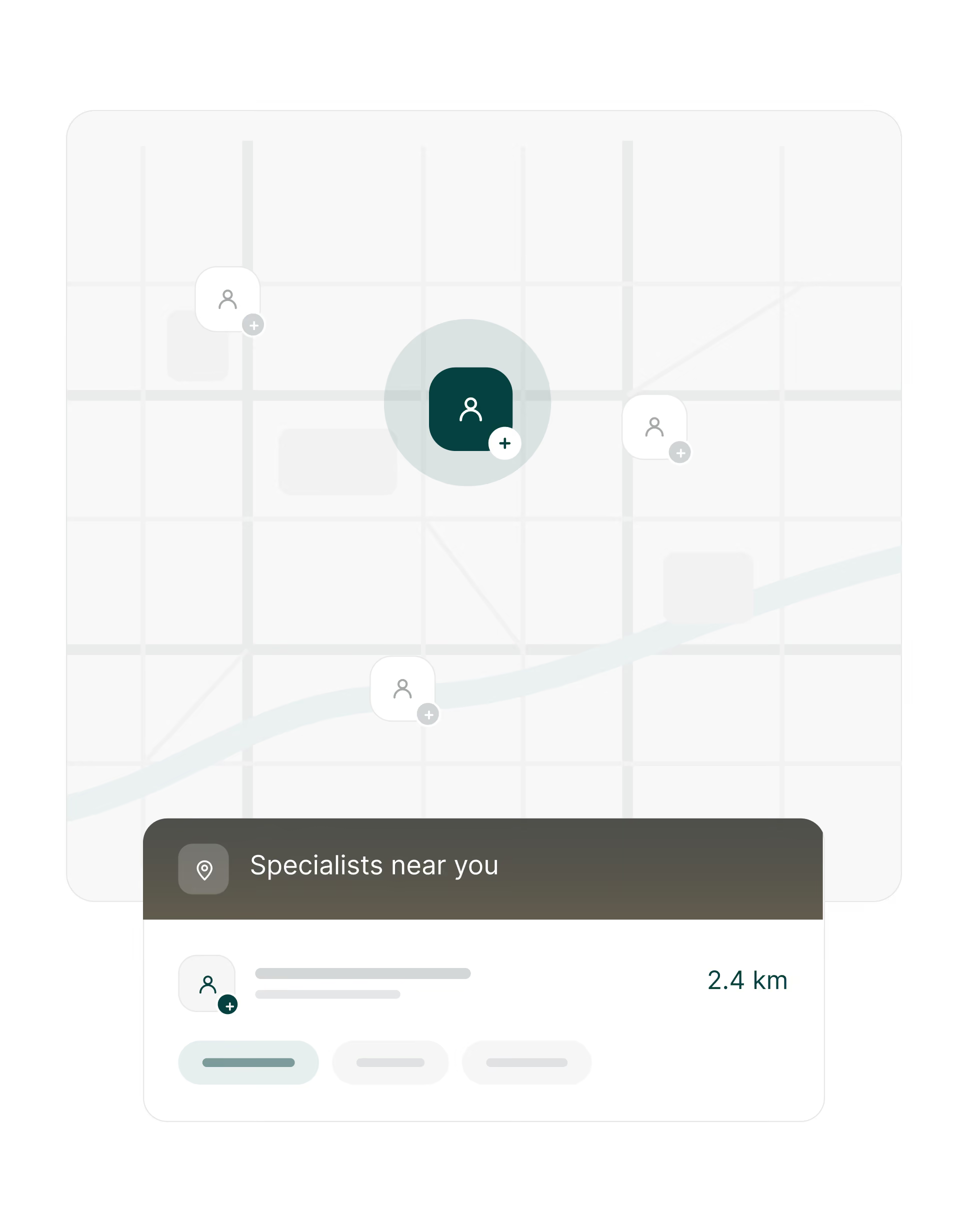
Oxygen therapy, noninvasive ventilation, lung-volume reduction procedures or transplantation may be appropriate in selected cases. Exacerbations are treated according to severity with intensified bronchodilators, corticosteroids, antibiotics when indicated, and respiratory support. Care is coordinated by a respiratory team, and mama health's list of lung and respiratory centers in Switzerland shows where specialist care is available. Questions between appointments can be put through mama health, which is free COPD support grounded in medical science and the experience of others.
Living with COPD
Stopping smoking is the single most effective step for protecting lung function, and support to do it is available through the respiratory team rather than something anyone is expected to manage alone.
Day-to-day care is built around using inhalers as prescribed, having technique checked, staying as active as possible, and keeping up with vaccination and pulmonary rehabilitation. A written exacerbation plan helps in responding early to increased breathlessness, more sputum or a change in sputum color. Nutrition, anxiety, sleep and coexisting heart conditions also form part of COPD care rather than sitting outside it.
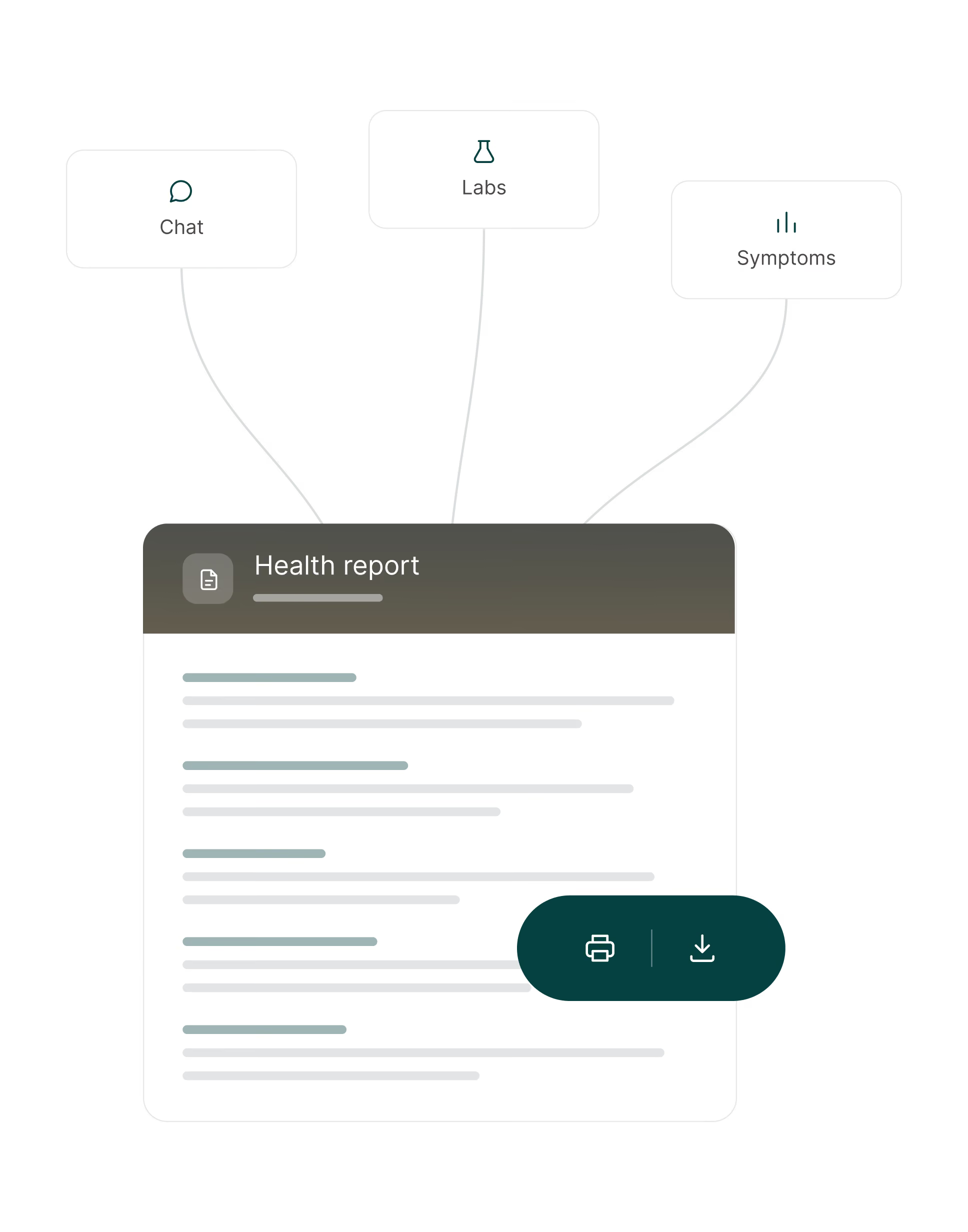
Fatigue and disturbed sleep are both common and both underestimated, covered in mama health's guides to fatigue with a lung condition and chronic insomnia. What changes week to week can be kept in one place in the mama health app, a free COPD app built with in-house doctors.
What can treatment improve?
COPD is chronic and not fully reversible, but symptoms, exercise capacity and quality of life can improve substantially with treatment. Pulmonary rehabilitation in particular changes what people are able to do, and how much difference treatment makes depends on lung function, how often exacerbations happen, oxygen levels, nutrition, activity levels and other conditions, all of which a respiratory team reviews over time.
Who is at risk of developing COPD?
Risk factors include cigarette, cigar, pipe or secondhand smoke exposure; occupational dusts, fumes and chemicals; indoor biomass fuel smoke; air pollution; older age; impaired lung growth; recurrent childhood respiratory illness; asthma; and alpha-1 antitrypsin deficiency.
Complications include respiratory infections, pulmonary hypertension, heart conditions, weight loss, anxiety and depression. mama health's guide to depression with a long-term condition covers the mental health side, which is part of COPD care rather than separate from it.
What are the symptoms of COPD?
Common symptoms include shortness of breath, chronic cough, sputum production, wheezing, chest tightness, reduced exercise tolerance, frequent respiratory infections, fatigue and unintended weight loss. Exacerbations cause an acute increase in breathlessness, cough or sputum beyond normal day-to-day variation.
A persistent cough is often what prompts the first appointment, and mama health's guide to a persistent cough and when to see a doctor covers what is worth raising. Appetite and weight are also worth attention, covered in what to eat with a lung condition.
How is COPD diagnosed?
A clinician reviews respiratory symptoms, smoking and occupational exposure, previous infections, asthma history and exacerbations. Spirometry before and after a bronchodilator is the key test, and it shows persistent expiratory airflow obstruction. Chest imaging, oxygen measurement and blood tests may be used alongside it, interpreted together with symptoms and exposure history.
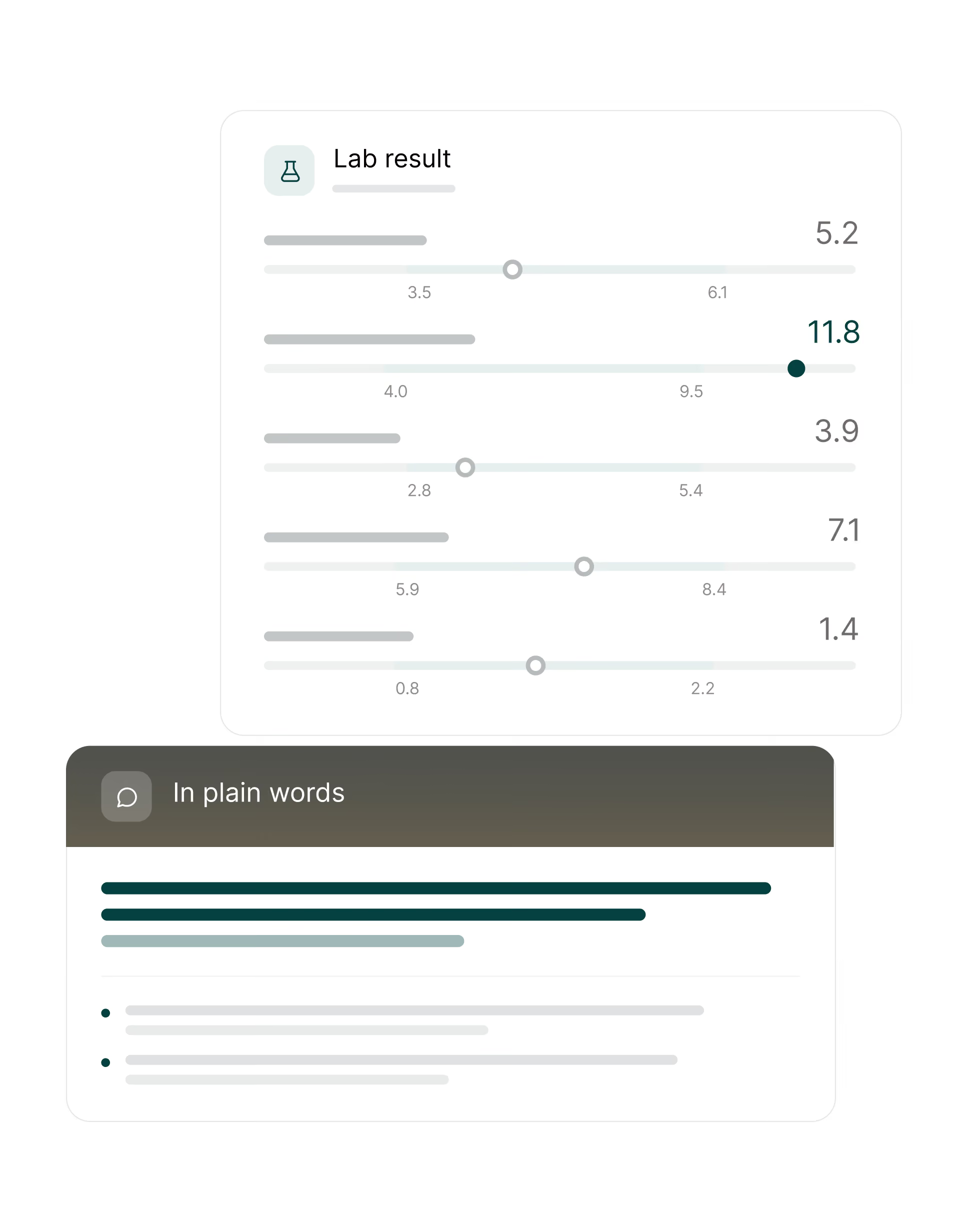
Pulse oximetry, chest X-ray or CT, blood counts, arterial blood gas analysis, exercise testing and cardiac evaluation may be added depending on severity. Alpha-1 antitrypsin deficiency testing is recommended at least once for anyone diagnosed with COPD, particularly with early or unusual presentation. Spirometry numbers, CT reports and letters can be read back in plain language in the mama health app, a free COPD support app.
What stands behind mama health
Medical oversight, safeguards around your data, and a clear purpose for every anonymized experience shared.
.avif)







Reviewed by our doctors
Our doctors review the medical sources behind every AI answer. Designed for high accuracy from your first chat.

Anonymized for good
Your personal data is encrypted and never shared. We turn it into anonymized insights. All under strict European data standards.

Contributing to research
Partners learn from anonymized patient experiences. That helps push research and better treatments forward.
All conditions we add to mama health go through careful checks.



Frequently asked questions
The report will appear in your inbox shortly✅
If you would like to explore how real-time patient insights can strengthen your commercial strategies, book a chat through the link below.