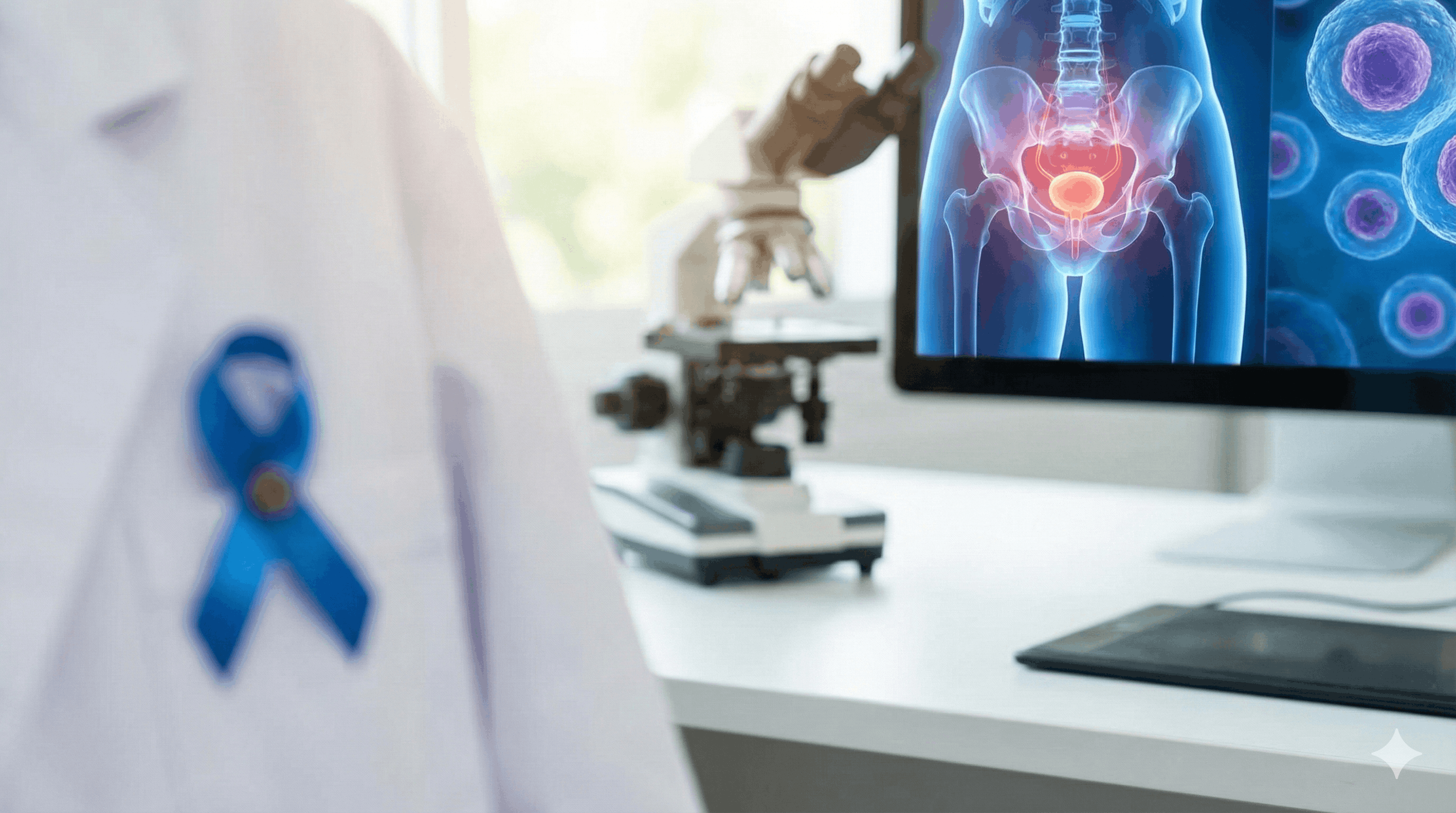
¿Se puede curar el cáncer de próstata? (Febrero de 2026)







ya han compartido sus historias.
TL;DR
- Sí, el cáncer de próstata se puede curar en muchos casos, sobre todo cuando se detecta a tiempo y está limitado a la próstata.
- La curación depende del estadio, de la agresividad del cáncer y del estado general de salud, no de un solo factor.
- El cáncer de próstata localizado tiene unas tasas de supervivencia a largo plazo muy altas.
- El cáncer de próstata avanzado o metastásico no suele considerarse curable, pero a menudo se puede controlar durante muchos años.
- Las decisiones sobre el tratamiento son personalizadas y se toman en colaboración con un equipo de especialistas.
¿Se puede curar el cáncer de próstata?
El cáncer de próstata se puede curar en muchos hombres, sobre todo cuando se diagnostica en una fase temprana y localizada.
En estos casos, los tratamientos tienen como objetivo eliminar o destruir por completo el cáncer, de modo que no quede ningún rastro de la enfermedad a largo plazo.
Sin embargo, el cáncer de próstata no es una sola enfermedad. Los resultados varían mucho dependiendo de lo temprano que se detecte y de lo agresivas que sean las células cancerosas.
¿Cuándo se considera que el cáncer de próstata es curable?
El cáncer de próstata tiene más posibilidades de curarse cuando está localizado en la glándula prostática.
Esto suele incluir:
- Cáncer limitado a la próstata
- No hay metástasis en los ganglios linfáticos ni en órganos a distancia
- Puntuación de Gleason baja a intermedia
- Niveles bajos o moderados de PSA en el momento del diagnóstico
Según los datos demográficos de Europa y Estados Unidos, los hombres con cáncer de próstata localizado tienen una tasa de supervivencia a cinco años cercana al 100 %.
¿Cómo influye el estadio del cáncer en las posibilidades de curación?
El estadio en el momento del diagnóstico es el factor que mejor permite predecir si el cáncer de próstata se puede curar.
Cáncer de próstata localizado
- El cáncer solo está en la próstata
- A menudo se puede curar con cirugía o radioterapia
- Es habitual que los pacientes permanezcan sin recidiva a largo plazo
Cáncer de próstata localmente avanzado
- El cáncer se ha extendido justo fuera de la próstata
- En algunos casos concretos, la curación aún podría ser posible
- A menudo se trata con una combinación de terapias
Cáncer de próstata metastásico
- El cáncer se ha extendido a los huesos u otros órganos
- No se considera curable con los tratamientos médicos actuales
- Mucha gente vive durante años gracias a un tratamiento que controla el avance de la enfermedad
¿Significa «curado» que el cáncer nunca volverá a aparecer?
En el cáncer de próstata, la curación suele referirse a una remisión a largo plazo, más que a una garantía de que el cáncer nunca volverá a aparecer.
Los médicos suelen usar:
- Niveles de PSA indetectables o estables durante muchos años
- No hay signos clínicos ni en las pruebas de imagen que indiquen cáncer
Algunas recaídas pueden producirse años después, por lo que es fundamental un seguimiento a largo plazo, incluso tras un tratamiento satisfactorio.
¿Qué tratamientos se utilizan con fines curativos?
Los tratamientos curativos tienen como objetivo eliminar todas las células cancerosas del cuerpo.
Las opciones más comunes incluyen:
- Prostatectomía radical (extirpación quirúrgica de la próstata)
- Radioterapia de haz externo
- Brachiterapia (radioterapia interna)
En algunos casos de bajo riesgo, se puede recomendar la vigilancia activa, que consiste en posponer el tratamiento mientras se realiza un seguimiento minucioso del cáncer.
La elección del tratamiento depende de las características del cáncer y de las preferencias del paciente, incluidos los posibles efectos secundarios.
¿Se puede curar alguna vez el cáncer de próstata avanzado?
Hoy en día, el cáncer de próstata avanzado o metastásico no se considera curable.
Sin embargo, a menudo se puede tratar muy bien, y muchas personas llevan una vida plena durante mucho tiempo gracias a los tratamientos modernos.
Estos tratamientos se centran en:
- Frenar el crecimiento del cáncer
- Aliviar los síntomas
- Mantener la calidad de vida
La investigación sigue buscando nuevas estrategias, como las terapias dirigidas y las basadas en el sistema inmunitario.
¿Qué factores influyen en que el cáncer de próstata se pueda curar?
Hay varios factores que influyen:
- Estadio en el momento del diagnóstico
- Puntuación de Gleason (el grado de agresividad del cáncer al observarlo al microscopio)
- Nivel de PSA
- Edad y estado general de salud
- Respuesta al tratamiento inicial
No hay ningún factor por sí solo que determine el resultado.
Vivir con incertidumbre tras el tratamiento
Incluso después de un tratamiento exitoso, muchas personas sienten ansiedad ante las pruebas de seguimiento y el control del PSA. La información, una comunicación clara y el apoyo continuo pueden ayudar a las personas a sentirse más seguras e informadas a medida que avanzan en el proceso.
mama health las personas a entender la información médica, a analizar sus síntomas y a preparar preguntas para atención médica , siempre junto con la atención profesional.
Descargo de responsabilidad:
Este contenido es informativo y no constituye un dispositivo médico.
mama health información y apoyo, pero no sustituye al médico.
ya han compartido sus historias.
1. Directrices de la Asociación Europea de Urología (EAU) sobre el cáncer de próstata
2. Instituto Nacional del Cáncer (NCI) – Resumen del tratamiento del cáncer de próstata
3. Sociedad Americana contra el Cáncer – Tasas de supervivencia del cáncer de próstata
4. Organización Mundial de la Salud – Fichas informativas sobre el cáncer
Otros artículos
.png)
.jpg)
.png)
.png)
.png)