From search to conversation: Why AI chat matters for patient activation

A patient clicks a campaign because something in the message feels relevant. They read about an indication, recognize part of their experience, and want to understand what it means for them. The next question may be more personal than the campaign itself can answer.
That moment is an opportunity across life sciences, from clinical research and patient education to ongoing support. A conversation can give patients space to explore their questions, identify a useful next step, and share what matters to them. This is where chat can turn a single touchpoint into ongoing engagement, helping teams understand and respond to patients’ needs.
Patients have a new way to explore their questions
For years, looking for health information online has meant searching Google, opening different pages, and deciding which information applies. Chat adds another way to engage: patients can describe their situation and ask a follow-up when something remains unclear.
The behavior is already established among a substantial group of people. KFF’s March 2026 poll found that 32% of U.S. adults had used AI for health information or advice in the previous year.
For life sciences teams, the opportunity is to build on that willingness to ask. A patient reading about an indication or looking for support may want to understand how the information relates to their own experience. Giving them space to explain their situation can make the interaction more relevant from the start.
The question after the click makes engagement personal
A campaign needs a message that connects with an audience. The person who responds brings their own experience to it. Their questions can reveal what made that message relevant and what they still need to understand.
Consider someone who clicks a campaign about an indication because it mentions fatigue. The information may explain the symptom, while the person’s immediate concern is how to describe its effect on their working day at an upcoming appointment.
A conversation can help a patient turn interest into action, whether that means preparing questions for their doctor, creating a summary for an appointment, or finding relevant support. The details they share also provide signals about their concerns, information gaps, and what may be holding them back. Analyzed across anonymized conversations, these signals can help teams understand where additional support could help patients take the next step.
The invitation should make that value clear. Offering help preparing appointment questions gives someone a concrete reason to begin. An easy start and a relevant response give them a reason to continue.
A useful next step makes activation concrete
Interest alone does not tell a marketing team whether someone feels ready to act. They may still be unsure what to ask or how to explain their experience clearly. A conversation creates an opportunity to understand that hesitation and offer relevant support before asking the patient to take a specific next step in their journey.
For the patient in this example, a useful result could be a summary of their experiences and questions to take to their doctor. Another person might want help finding relevant support or understanding information they have already received.
This fits with research from West Health and Gallup describing how people use AI to research health questions before and after appointments. Rock Health’s consumer research also includes people reporting consultations with healthcare professionals following AI interactions.
For a campaign team, the task is to define which next step the experience should support. If the objective is appointment preparation, completing a list of questions provides a specific action to measure. Starting a chat shows engagement; completing that resource shows the intended step was taken. As patients continue chatting, their follow-up questions and the details they share provide further signals about their concerns, information gaps, and what may be holding them back from taking that step.
The action should be useful to the patient and appropriate to where they are in their journey. A newly diagnosed person may need different support from someone who has been living with an indication for years.
Patient questions can make the next campaign more relevant
The same conversation can also help explain what patients need after responding to a campaign. In the fatigue example, the person’s concern about work adds something a click alone cannot explain. It points to the practical impact of the indication and the support they are looking for.
When similar concerns recur across patient conversations, teams can use those findings to inform their next decisions. Questions about explaining symptoms could guide appointment preparation content. Questions about available support could show where clearer information is needed.
This gives campaign learning a direct connection to patient experience. The team can consider which messages attracted interest alongside the questions people asked afterward, then use that understanding to improve the content and support offered next.
How mama health connects reach with ongoing engagement
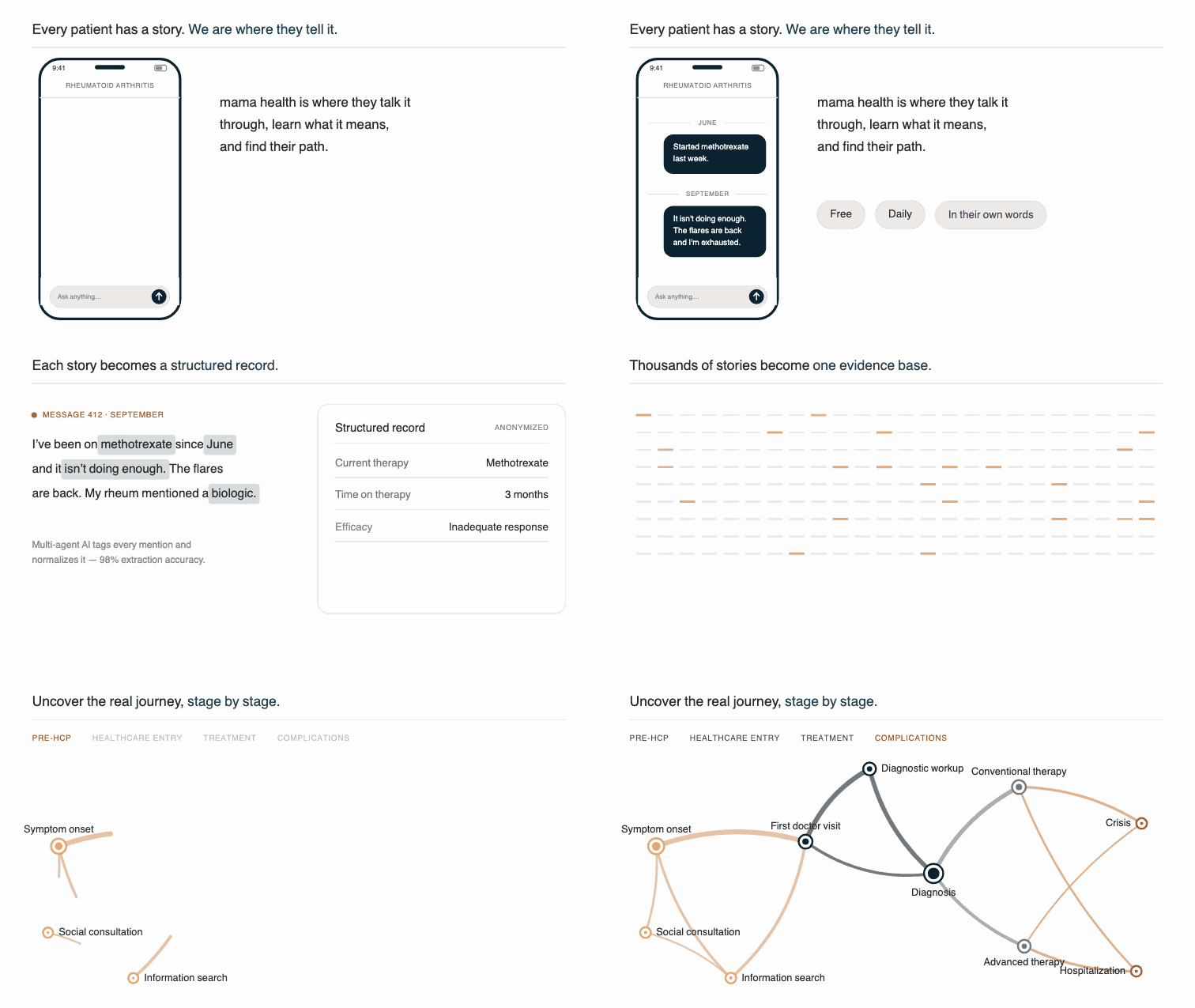
At mama health, we run campaigns that reach a significant share of the relevant patient population, then engage patients in active, ongoing conversations. These conversations help patients explore their questions, prepare for discussions with their doctor, and find relevant support. Patients can return as new needs emerge, extending engagement beyond the first campaign interaction.
Anonymized and analyzed across patient groups, those conversations also help pharma teams understand recurring concerns, information gaps, and support needs. Patients should understand how their information is used, and the experience should provide clear boundaries around what it can help with.
For life sciences teams, the opportunity starts with planning what a patient can do after the click. A relevant conversation can help them use the information they came for and give teams a better understanding of what to address next.