Why good drugs have bad launches

“I didn’t know that monoclonal antibodies existed for my condition.”
The person who shared this with mama health was living with chronic spontaneous urticaria. They went on to say they planned to discuss treatment with their doctor at their next appointment. That intention raises a practical question for a launch team: do the people you want to reach have the information and confidence to begin that conversation?
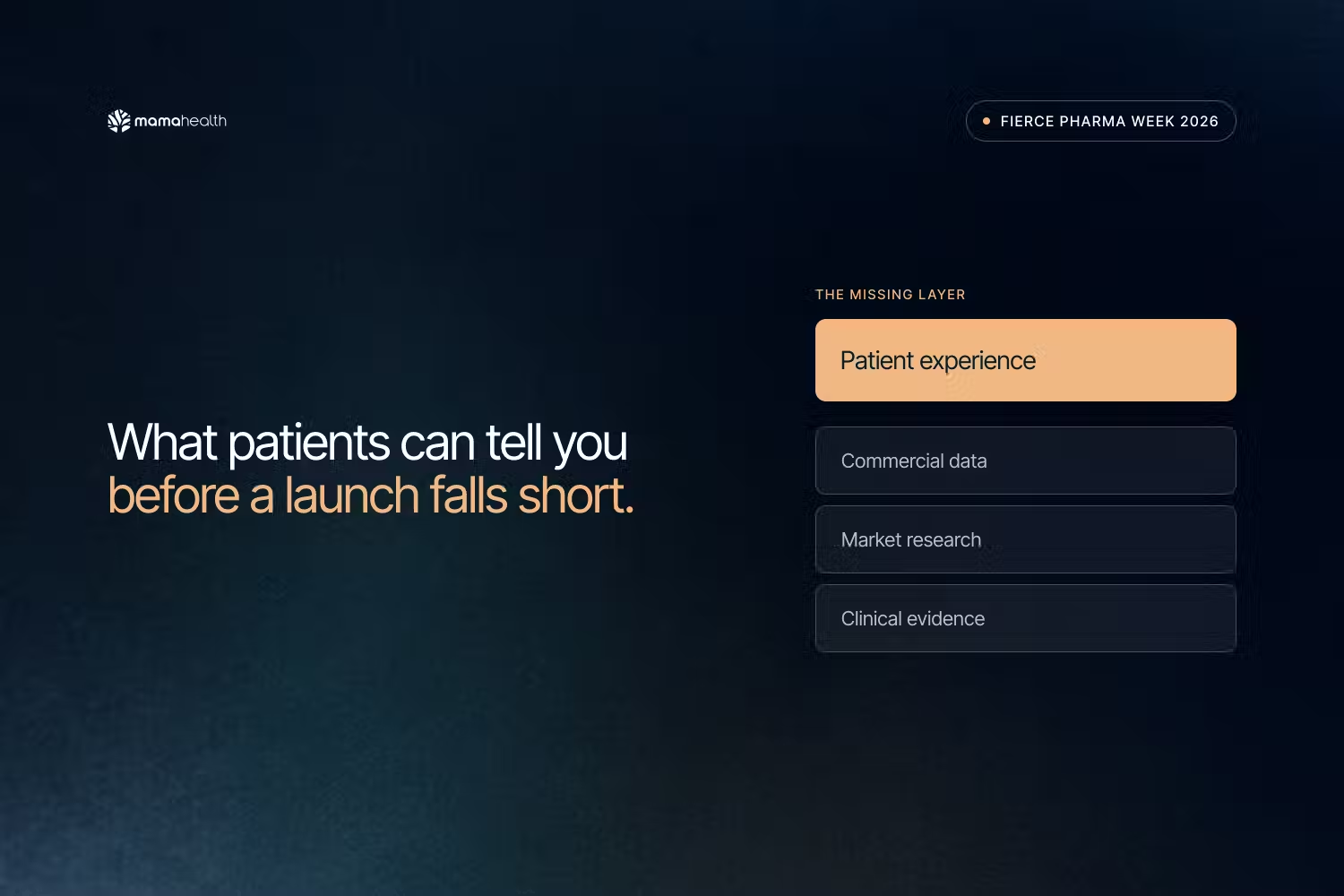
At Fierce Pharma Week 2026, our team talked about how patient experiences can change the decisions behind a launch. The session, The Missing Layer: Closing the Patient Experience Gap That Breaks Launches, drew on projects across neurology, nephrology, and immunology.
Clinical evidence, market research, and commercial data give teams a foundation for planning. Direct patient conversations add context about how people navigate care, weigh treatment choices, and live with the decisions they make. That context can help teams test assumptions before committing resources.
Understand the journey before specialist care
One of those assumptions concerns how patients reach specialist care. In a rare kidney disease project discussed during the session, research with nephrologists captured the experience of patients who reached their clinics. Conversations with patients brought more of the earlier journey into view, including referrals to other specialties when symptoms such as high blood pressure led the assessment toward cardiology.
A launch strategy built around the specialist visit needs to account for these earlier referrals. Patient accounts give the team a reason to examine education in primary care, what triggers a referral, and which difficulties patients encounter along the way. This makes the resource decision more specific: which point in the pathway needs attention first?
Differentiate through the treatment experience
Once someone reaches specialist care, another question becomes important: how will treatment fit into their life?
The neurology example explored preferences around treatment administration. Clinic visits and injections at home place different demands on people, and those demands carry different weight from one person to another. Asking patients to explain their preferences helps teams understand which aspects of a treatment experience matter to particular groups.
The session also described neurology work involving conversations with more than 3,000 patients. In the cohort discussed, 24% reported stopping a therapy that was helping them because of side effects. That finding makes tolerability a concrete planning question. Teams can investigate which concerns patients raise, when they emerge, and what information people need when discussing them with their care team.
Bring treatment burden into access decisions
Practical demands continue after a prescription is written. An access example in the presentation examined the same daily dose of a medicine delivered as two tablets or six. That difference shapes what someone has to fit into their routine for as long as they remain on treatment.
Market access teams can use patient accounts to identify which practical advantages deserve investigation and which evidence belongs in the value discussion. Clinical and economic research can then assess how those differences relate to adherence and healthcare use. The patient’s experience helps define the questions that need answering.
Help patients prepare to discuss treatment
These questions also shape who a team needs to reach and what would help them take a next step. In the chronic spontaneous urticaria example, people whose profiles matched the client’s target population were more ready to ask about treatment than the broader group studied.
That matters for audience selection and education. People who are ready to discuss treatment may benefit from help preparing their questions. Others may first want to understand their indication, put their symptoms into words, or explore the information they have received.
The patient quoted at the start described an intention to speak with their doctor. That is an early signal worth following. A completed appointment question list is a defined activation step; a later conversation can capture what the person reports discussing and which concerns remain. Each tells the team something specific about the patient’s progress.
Keep patient experience connected to launch decisions
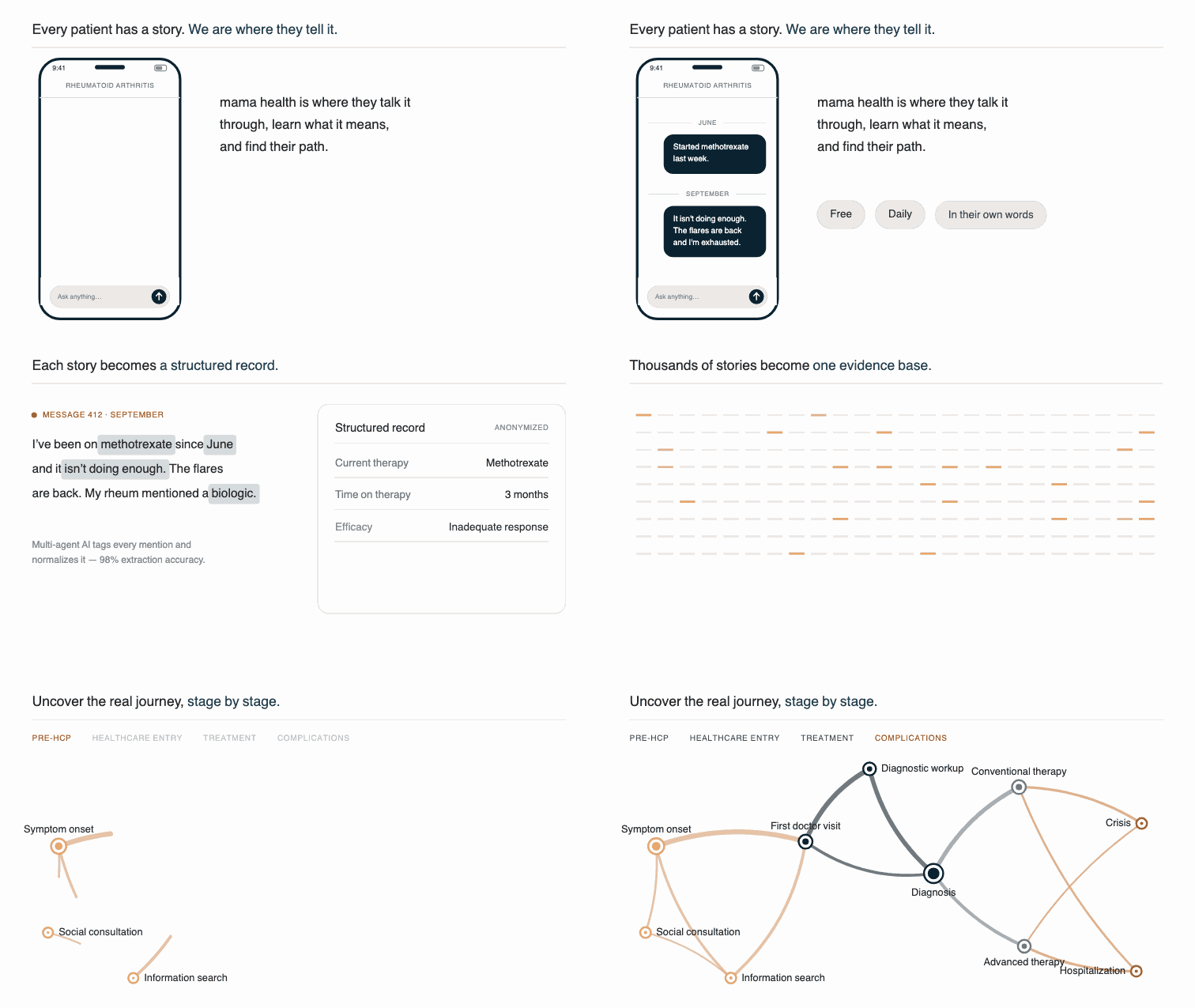
At mama health, reaching relevant patients and giving them a useful reason to engage are part of the same approach. People come to the free app with their own health questions. They can explore information, prepare for appointments, and return as their circumstances change.
With consent, those conversations are anonymized and aggregated into patient intelligence, supported by medical and scientific review. Teams can explore recurring concerns and the explanations behind them alongside their existing evidence. As new conversations arrive, they can revisit the questions that matter to their launch.