The persona told them who to talk to. The patients told them what to say.

How a dermatology leader found out what its target patient actually does when the cream stops working, and what to say to them.
- ~800 patients, in their own words
- 2 campaign personas, one the team hadn't planned for
- 2.4M impressions and 33,000 clicks in four months
About the client
A global dermatology leader had just launched an advanced therapy for a chronic skin condition, prescribed by dermatologists. It had a strong clinical story and very little view of the patient's actual decision drivers and behaviours. The engagement started in one market where reimbursement was already secured, then expanded to a second market still in late approval stage.
The challenge
The client wanted to know why eligible patients weren't getting to targeted therapies.
These patients are hard to see in conventional data. Many never reach a dermatologist. They self-treat for years, cycle through topical treatments that stop working, and when a treatment fails they decide what to do next on their own, with a pharmacist or with family, not in a consulting room. Claims data doesn't see any of that. Prescriber surveys only describe the patients who made it into the chair, and more specifically the ones who come back to the same chair several times.
From clinical studies and their marketing imperatives, the launch team had a target patient in mind: a frustrated patient who had tried countless remedies, saw no lasting result, and was looking to switch. It was a reasonable picture. It was also an exercise on paper, not a person. Nobody could say what this patient did, who they asked, what they were afraid of or why they didn't go back to the doctor. Those were the insights a high-converting campaign needed.
The solution
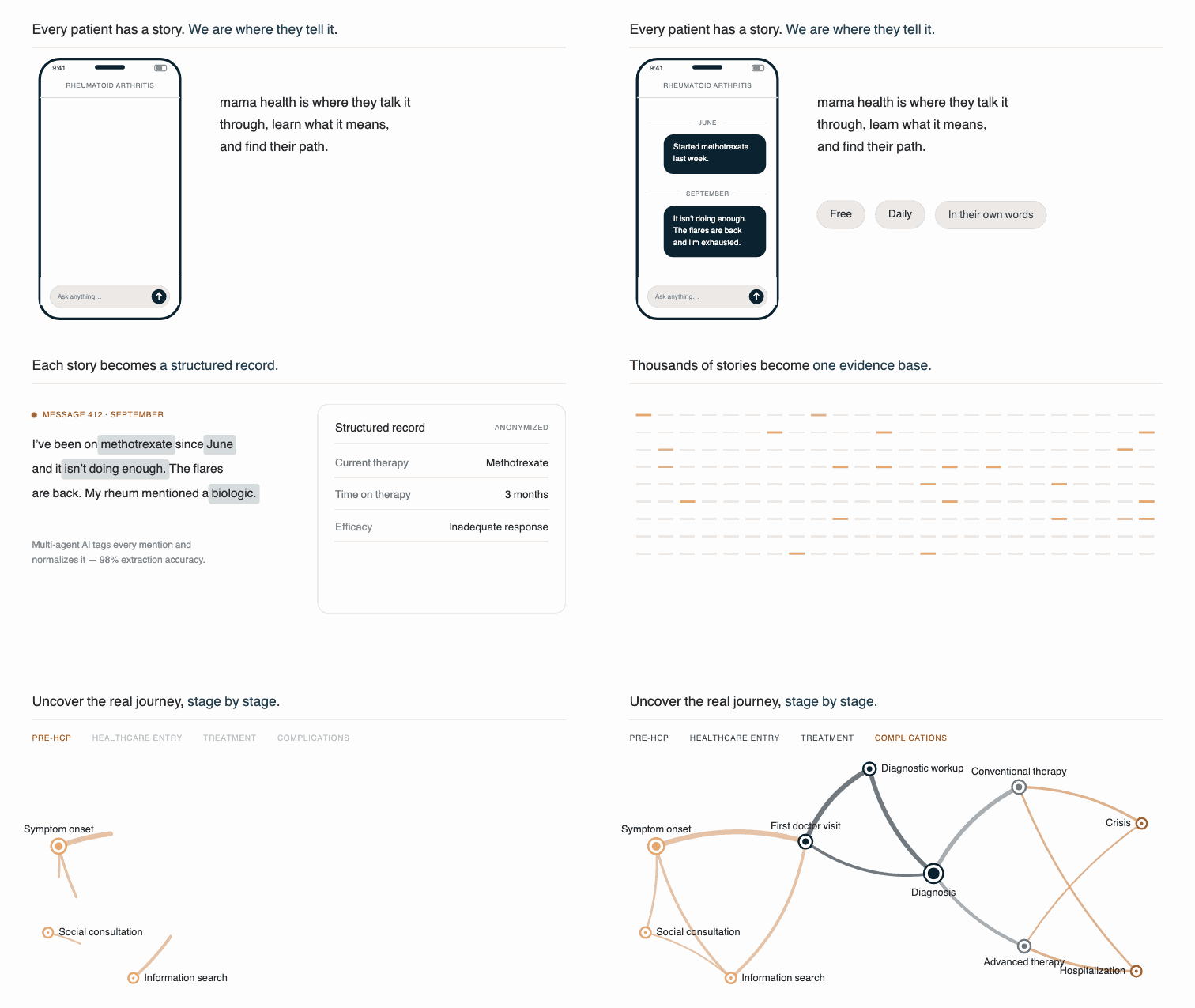
mama health profiled nearly 800 patients living with the condition through AI-moderated conversations that followed what mattered to each patient, so the client learned what it didn't know to ask. From that came three things:
- A full patient journey, from first symptoms through self-treatment, referral, diagnosis, treatment and repeated treatment failure.
- Four patient personas, built on real patients in the client's own market rather than a global segmentation run somewhere else.
- Persona-specific awareness campaigns, with content and visuals built around how each persona decided, driving traffic to the client's educational site and toward the dermatologist.
In their own words
It wasn't just about the rash. It was about what it had taken from them. Across 800 patients, 84.0% reported at least one problem with daily activities. Gloves to wash a dish, gloves to clean the house, and no touching anyone because the skin was open and people commented on it. Most had stopped going back to the doctor years ago. The last time they went, the answer was dry skin, moisturize, and the second doctor said the same thing as the first, so they moved on to Google and the pharmacy shelf. One waited five months for a dermatology appointment and the flare had cleared by the time it came, so there was nothing to show and nothing to be done. The cream barely worked, but it was the only one they had.
"Gloves for dishes and cleaning. Unable to touch my loved ones."
Patient, chronic skin condition
Key insights
The team knew what was happening with the "frustrated" persona, but not why
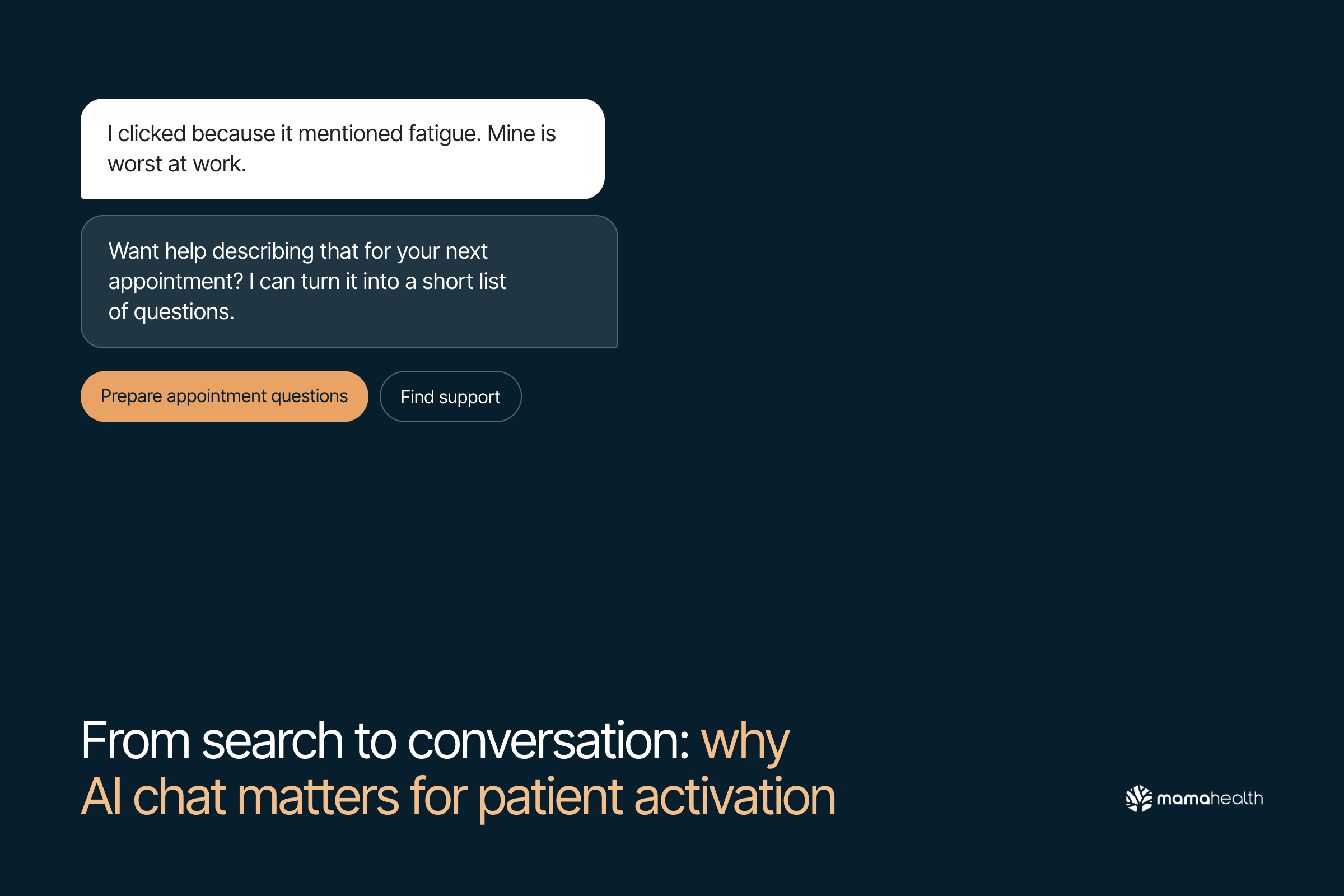
The persona said it out loud: tried all topical remedies, no lasting result, looking to switch. The patients also said what happened next, and it wasn't a dermatologist appointment.
When the cream stops working, most of the decision happens outside the clinic
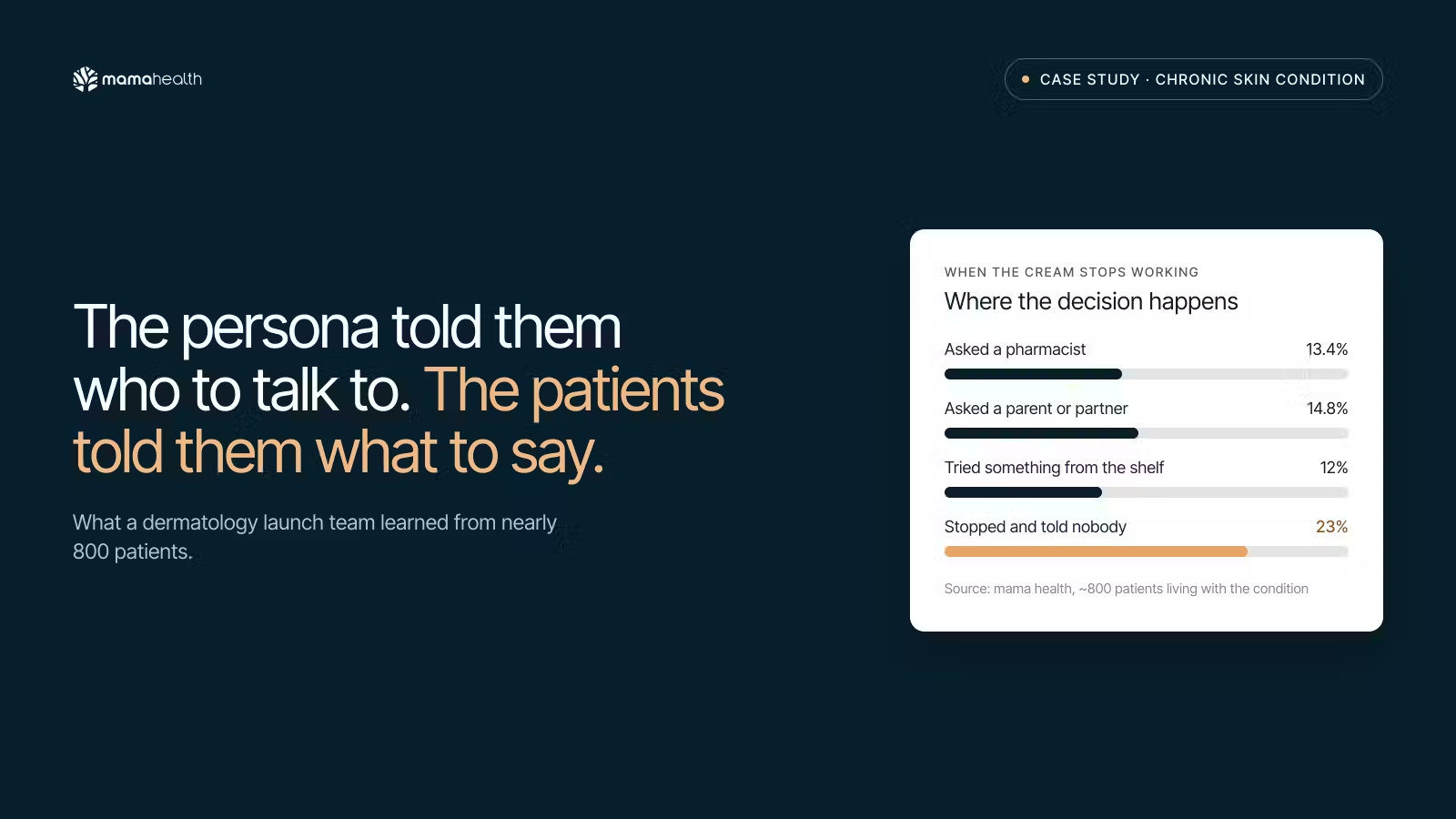
13.7% described years of self-treating before any specialist saw them. When a treatment failed, 13.4% asked a pharmacist, 14.8% asked a parent or a partner, and 12.0% tried something else from the shelf. Some switched doctors. 23.0% stopped and told nobody, so the prescriber never learned the treatment had failed and never had the chance to offer anything else.
That's the moment a campaign has to reach
The question isn't who this patient is. It's what they do when the cream stops working, who they ask, and what they need to hear before quietly giving up on it. That doesn't come from demographics or treatment history. It comes from asking them, so we did.
There was a second patient they couldn't identify
The data helped them better understand the self-diagnosed patient still working through their GP, who wanted a formal diagnosis and hadn't reached a dermatologist yet.
The campaign ran content for both
For the diagnosed patient with severe symptoms and a treatment that wasn't working, the content's job was to advocate so patients could discuss their options with their dermatologist and get the drug prescribed if they were eligible. For the self-diagnosed patient still with the GP, the job was to get them to a formal diagnosis.
Both personas clicked
The larger population drew more impressions. Both converted, which confirmed the campaign was reaching undiagnosed patients trying to progress as well as diagnosed patients looking to switch. Over four months, as content was refined by persona, the campaign reached 2.4 million impressions and 33,000 clicks.
Core insight
The persona told the team who to talk to. The patients told them what exactly to say.
For a therapy that depends on a frustrated patient raising the subject with a dermatologist, the second thing was what made the campaign.
Why it matters
For marketing
The launch team stopped funding on assumption. The campaign was built on how patients decide, not on who they are, the second target was found before the budget was spent, and activation is now measured continuously rather than in a post-campaign report.
For patient engagement
The campaign got eligible patients to a dermatologist by talking to them about the things they had actually told us mattered, not the things the team assumed did. Awareness and brand activation ended up pointing in the same direction.
What came next
The client expanded the engagement to focus on patients already on advanced therapies and a patient activation program aimed at increasing the number of patients who reach a doctor asking for better treatment.