À quelle vitesse le cancer de la prostate se propage-t-il ?

.png)





ont déjà partagé leurs histoires.
TL;DR
- Le cancer de la prostate se développe généralement lentement, souvent sur plusieurs années.
- Certains types se propagent très lentement et peuvent ne jamais provoquer de symptômes.
- Les formes les plus agressives peuvent se propager en quelques mois, voire quelques années, surtout si elles ne sont pas traitées.
- La propagation dépend du grade du cancer, de son stade, des facteurs génétiques et de l'état de santé général.
- Seul un médecin peut évaluer à quelle vitesse un cancer donné peut évoluer.
À quelle vitesse le cancer de la prostate se propage-t-il généralement ?
La plupart des cancers de la prostate se développent lentement; il faut souvent 10 à 15 ans avant qu'ils ne grossissent suffisamment pour provoquer des symptômes ou se propager au-delà de la prostate.
Les études post-mortem et les données de dépistage à long terme montrent que de nombreux hommes vivent toute leur vie avec un cancer de la prostate sans jamais avoir besoin de traitement. Cette croissance lente est l'une des raisons pour lesquelles la surveillance active est souvent recommandée dans les cas à faible risque.
Mais tous les cancers de la prostate ne se comportent pas de la même manière.
Le cancer de la prostate peut-il se propager rapidement ?
Oui. Certains cancers de la prostate se propagent plus rapidement, en particulier les types de haut grade ou agressifs.
Dans les cas où la croissance est plus rapide, les cellules cancéreuses peuvent se propager :
- D'ici quelques mois à quelques années
- De la prostate aux tissus voisins
- Aux ganglions lymphatiques ou aux os aux stades avancés
Le risque de propagation rapide est plus élevé lorsque les cellules cancéreuses présentent un aspect très anormal au microscope ou lorsque le cancer est déjà à un stade avancé au moment du diagnostic.
Quels sont les facteurs qui influencent la vitesse à laquelle le cancer de la prostate se propage ?
La vitesse de propagation dépend de plusieurs facteurs médicaux :
Grade du cancer (score de Gleason / groupe de grade)
Les cancers de haut grade se développent et se propagent plus vite que les cancers de bas grade.
Stade du cancer
Un cancer limité à la prostate se propage plus lentement qu'un cancer qui s'est déjà propagé au-delà de la prostate.
Taux de PSA et temps de doublement du PSA
Une augmentation rapide du taux de PSA peut être le signe d'une progression plus rapide de la maladie.
Biologie et génétique du cancer
Certaines tumeurs présentent des caractéristiques moléculaires associées à un comportement agressif.
Âge et état de santé général
Les hommes plus jeunes peuvent développer des formes plus agressives, tandis que chez les hommes plus âgés, la maladie évolue souvent plus lentement.
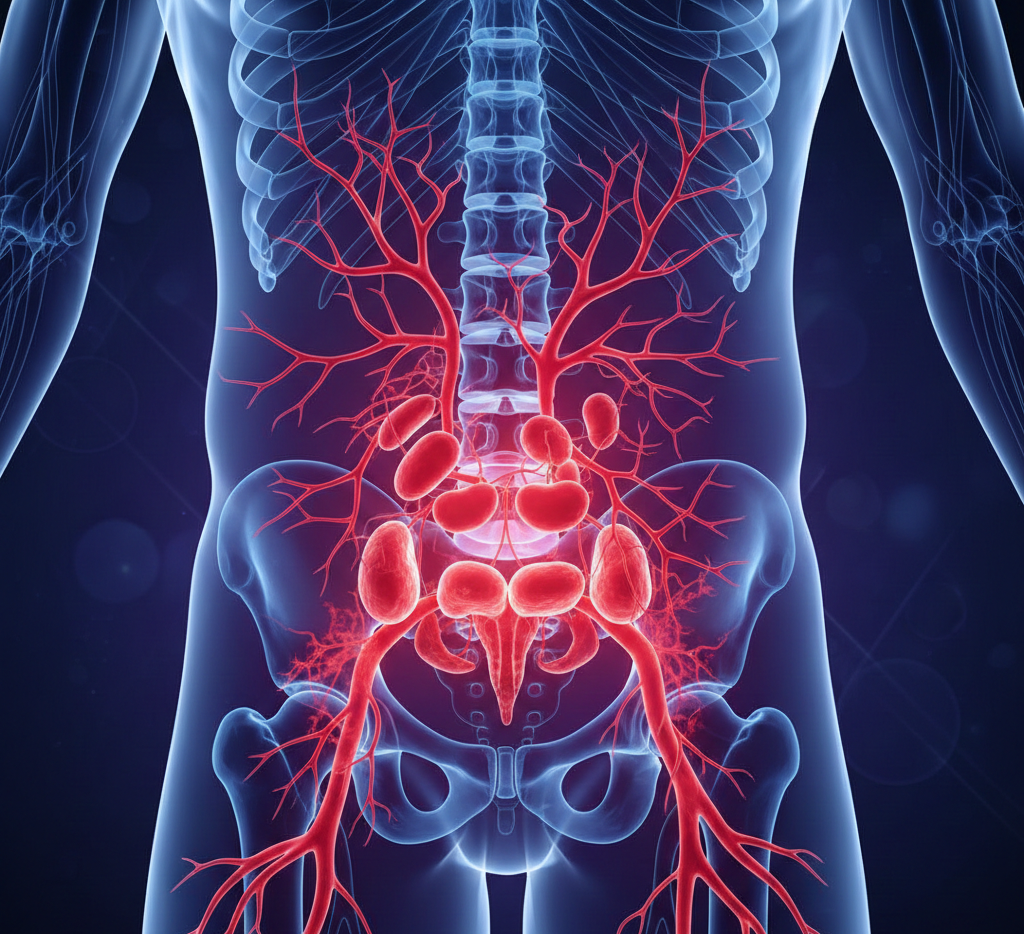
Où le cancer de la prostate se propage-t-il généralement en premier ?
Quand le cancer de la prostate se propage, il touche le plus souvent :
- Les ganglions lymphatiques voisins
- Les os (surtout la colonne vertébrale, les hanches et les côtes)
- Plus rarement : le foie ou les poumons
Les métastases osseuses sont les plus fréquentes dans le cancer de la prostate avancé et peuvent provoquer des douleurs ou des fractures, mais cela survient généralement à un stade avancé de la maladie.
Combien de temps le cancer de la prostate peut-il rester localisé ?
Un cancer de la prostate à faible risque peut rester confiné à la prostate pendant de nombreuses années, voire des décennies.
De grandes études démographiques montrent que les hommes atteints d'un cancer de la prostate de faible grade présentent souvent :
- Une croissance minime sur 5 à 10 ans
- Risque de propagation très faible pendant cette période
C'est pourquoi on parle souvent d'une surveillance attentive (« surveillance active ») plutôt que d'un traitement immédiat.
Est-ce que le dépistage précoce ralentit la propagation ?
Le dépistage précoce ne modifie pas la vitesse de croissance des cellules cancéreuses, mais il permet de prendre des décisions thérapeutiques plus tôt.
Détecter le cancer de la prostate à un stade précoce :
- Réduit le risque que ça se soit déjà propagé
- Ça te laisse plus de temps pour réfléchir aux options de suivi ou de traitement
- est associé à de meilleurs résultats à long terme pour les formes de la maladie à haut risque
Pourquoi certains hommes ne connaissent-ils jamais l'éjaculation précoce ?
Beaucoup de cancers de la prostate sont biologiquement inactifs.
Dans ces cas-là :
- Les cellules cancéreuses se divisent très lentement
- Le système immunitaire pourrait freiner la croissance
- Le cancer n'atteint jamais une taille suffisante pour se propager
Ça explique pourquoi le cancer de la prostate est fréquent, mais pourquoi les décès dus à cette maladie sont bien moins courants.
Quand faut-il parler de l'écart avec un médecin ?
Il est important de consulter un médecin si :
- Le taux de PSA augmente rapidement
- Tu ressens de nouvelles douleurs osseuses, tu perds du poids ou tu te sens fatigué
- Les examens d'imagerie montrent des modifications
- Il y a des incertitudes quant au niveau de risque de cancer
Chaque cancer de la prostate évolue différemment, et il est impossible de prévoir son évolution sans examen médical.
Avertissement :
Ce contenu est juste pour info et n'est pas un truc médical.
mama health des infos et du soutien, mais ne remplace pas un médecin.
ont déjà partagé leurs histoires.
1. Institut national du cancer (NCI) – Aperçu du cancer de la prostate
2. Recommandations de l'Association européenne d'urologie (EAU) sur le cancer de la prostate
3. École de médecine de Harvard – Évolution du cancer de la prostate
4. BMJ : Évolution naturelle du cancer de la prostate à un stade précoce
5. Cancer Research UK – Propagation et stades du cancer de la prostate
Autres articles
.png)
.jpg)
.png)
.png)
.png)
.png)