Your personal
AI assistant for
Pulmonary Fibrosis


.avif)
.avif)
.avif)
.avif)



.avif)


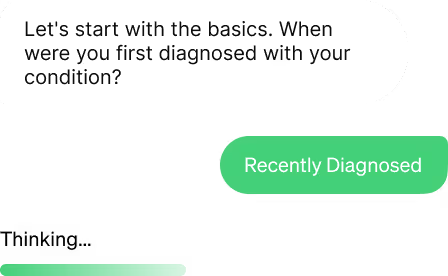
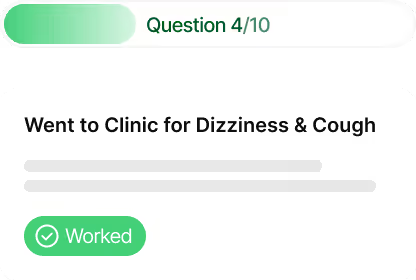
Our platform gives you a space to share your experiences, prepare for medical visits, and learn from insights shared by others living with pulmonary fibrosis. Whether you’re trying to make sense of symptoms, adjust to new routines, or think of questions to ask your doctor, mama health helps you stay organized and better informed.
You’re not alone in this. mama health is built to support you through the ups and downs of pulmonary fibrosis, helping you reflect on what matters most and advocate for your care.
What is pulmonary fibrosis?
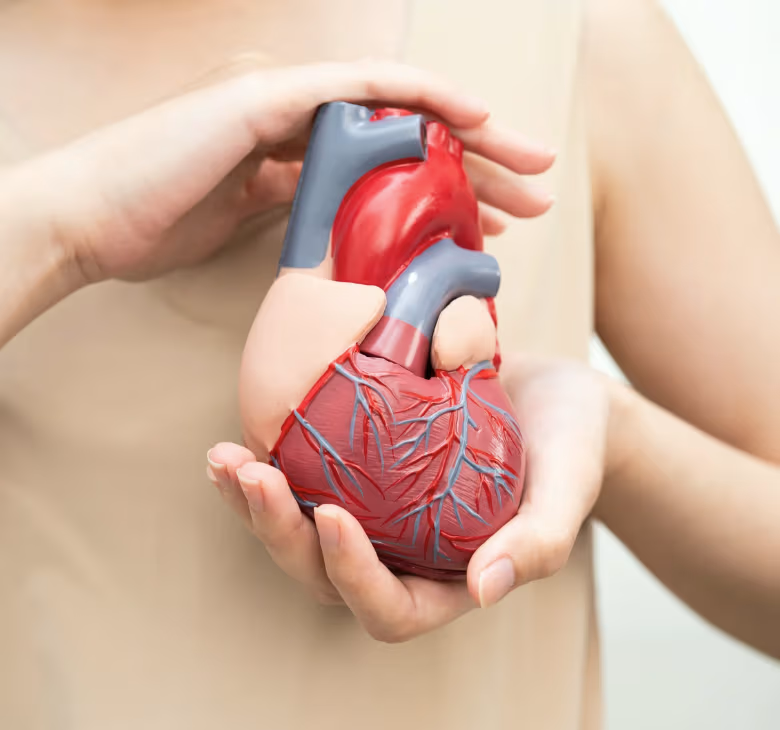
Pulmonary fibrosis is a chronic lung disease in which lung tissue becomes scarred and stiff, making it harder for the lungs to expand and transfer oxygen into the bloodstream. Over time, this scarring can make breathing increasingly difficult and reduce oxygen levels in the body, leading to symptoms such as breathlessness, fatigue, and reduced physical endurance.
Pulmonary fibrosis does not always progress at the same speed for everyone. Some people experience slow changes over many years, while others may notice symptoms worsening more quickly. Because the condition affects each person differently, ongoing monitoring and individualized care are important.
Types and forms of pulmonary fibrosis
Pulmonary fibrosis can occur for different reasons, and in some cases the exact cause is unknown.
- Idiopathic pulmonary fibrosis (IPF) – the most common form, where the cause of lung scarring is unknown.Secondary pulmonary fibrosis
- Secondary pulmonary fibrosis – fibrosis that develops due to another cause such as autoimmune diseases, environmental exposures, certain medications, or radiation therapy.Familial pulmonary fibrosis
- Familial pulmonary fibrosis – a rare form that runs in families due to genetic factors.Progressive fibrosing interstitial lung diseases (PF-ILD)
- Progressive fibrosing interstitial lung diseases (PF-ILD) – a group of lung diseases that may lead to progressive scarring similar to pulmonary fibrosis.
Common forms include:
Understanding the type of pulmonary fibrosis can help guide monitoring and treatment decisions with your healthcare team.

How pulmonary fibrosis develops and who it affects
Pulmonary fibrosis develops when repeated injury or inflammation in the lungs leads to permanent scarring of lung tissue. As scar tissue builds up, the lungs become less flexible and oxygen transfer becomes less efficient.
The exact cause is often unclear, but potential contributing factors may include:
- Long-term exposure to environmental irritants (dust, chemicals, or pollution)
- Autoimmune conditions such as rheumatoid arthritis or scleroderma
- Certain medications or radiation treatments
- Genetic factors
- Aging
Pulmonary fibrosis is more commonly diagnosed in adults over the age of 50, although it can occur at other ages. The condition affects people differently, and symptom progression can vary widely.
While pulmonary fibrosis primarily affects the lungs, reduced oxygen levels can influence overall energy levels, physical activity, and quality of life.
Common symptoms of pulmonary fibrosis may include:
- Atemnot, vor allem bei körperlicher Anstrengung
- A persistent dry cough
- Müdigkeit oder wenig Energie
- Reduced exercise tolerance
- Chest discomfort or tightness
- Unintentional weight loss
- Muscle or joint aches
- Clubbing (widening of fingertips in some cases)
- Difficulty performing everyday activities due to breathlessness
Symptoms often develop gradually, which can make them easy to overlook at first. If breathing changes or fatigue become persistent, discussing these symptoms with a healthcare professional can help determine the next steps.
Wie kann mama health helfen?


Entwickelt und beaufsichtigt von medizinischen Experten
.avif)

.avif)

Was Patienten sagen

Es gibt so viele Erfahrungsberichte und so viele Menschen wie mich.
Ich hoffe, dass diese Plattform wächst, damit wir so vielen Menschen helfen können, die sich mit einer Krankheit allein fühlen.
Am Ende sind wir viele und alle zusammen können wir kämpfen.❤️"


Es gibt so viele Erfahrungsberichte und so viele Menschen wie mich.
Ich hoffe, dass diese Plattform wächst, damit wir so vielen Menschen helfen können, die sich mit einer Krankheit allein fühlen.
Am Ende sind wir viele und alle zusammen können wir kämpfen.❤️"


.png)
Häufig gestellte Fragen
Deine Geschichte ist wichtig. Deine Gesundheit auch.